Information
Landmark: Laguna 69City: Huaraz
Country: Peru
Continent: South America
Laguna 69, Huaraz, Peru, South America
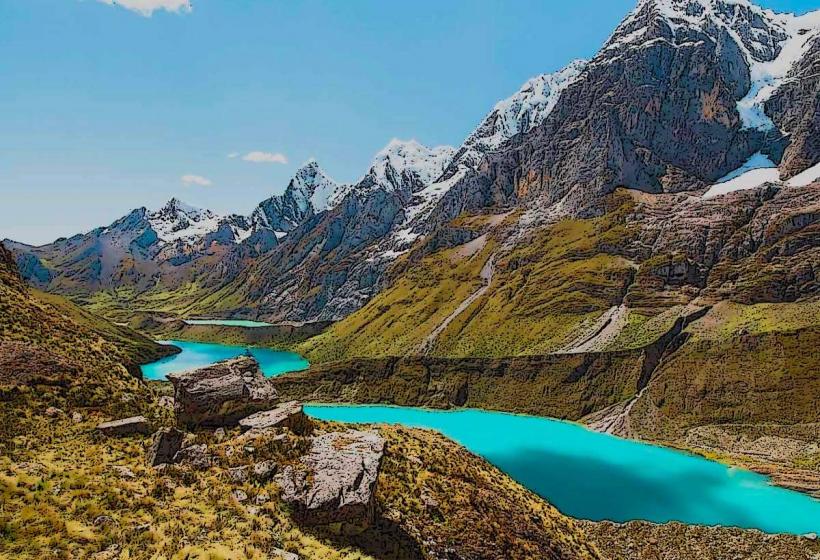
Laguna 69 is one of the most popular trekking destinations in Huascarán National Park, located in the Cordillera Blanca of Peru's Ancash Region. Known for its stunning turquoise waters and breathtaking mountain scenery, this high-altitude lake has become a must-see for adventure seekers, nature lovers, and photographers. The trek to Laguna 69 is considered one of the most scenic hikes in the Andes and offers incredible views of the surrounding snow-capped peaks, glacial valleys, and waterfalls.
Overview of Laguna 69
- Altitude: Laguna 69 is situated at an impressive altitude of 4,600 meters (15,091 feet) above sea level. This high-altitude location makes it a challenging but rewarding destination for hikers.
- Location: The lake is located within Huascarán National Park, specifically in the Callejón de Huaylas valley in the Ancash Region of Peru. It is near the town of Yungay, which serves as a base for visitors traveling to the area.
- Access: The trek to Laguna 69 typically starts from the Cebollapampa area, which is a 2- to 3-hour drive from the town of Huaraz. From Cebollapampa, it takes about 4 to 6 hours to reach the lake, depending on the pace and the altitude acclimatization of the hiker.
The Trek to Laguna 69
The hike to Laguna 69 is known for its stunning natural beauty and variety of landscapes. It is a moderately difficult trek, mainly due to the high altitude, but it is accessible to most hikers who are reasonably fit and have taken the necessary precautions for acclimatization.
Starting Point – Cebollapampa:
- The trek begins at Cebollapampa, located at about 3,900 meters (12,795 feet). The journey begins with a relatively gentle uphill walk through grasslands, where trekkers can see llamas, alpacas, and wild vicuñas.
- As the trail progresses, hikers start to gain altitude, with a continuous ascent that leads them deeper into the Cordillera Blanca.
Beautiful Views Along the Trail:
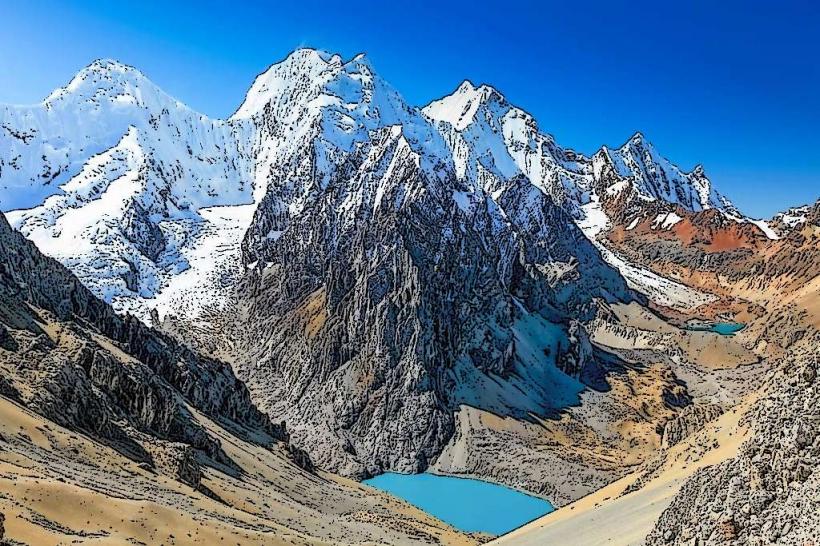
- As trekkers make their way toward Laguna 69, they pass through rocky paths, glacial streams, and waterfalls. The trail offers spectacular views of surrounding peaks such as Chacraraju (6,112 meters) and Huascarán (6,768 meters).
- Along the way, hikers will encounter several small glacial lakes and enjoy views of snow-capped mountains that line the horizon.
Final Ascent – Reaching the Lake:
- The final portion of the trek involves a steeper climb. As trekkers ascend, they will feel the effects of the altitude, and it is important to take breaks and stay hydrated. The path becomes more challenging as it approaches the lake.
- The last section rewards hikers with panoramic views of Laguna 69, with its bright turquoise waters set against the backdrop of towering glaciers and snow-covered peaks.
Laguna 69: A Stunning Alpine Lake
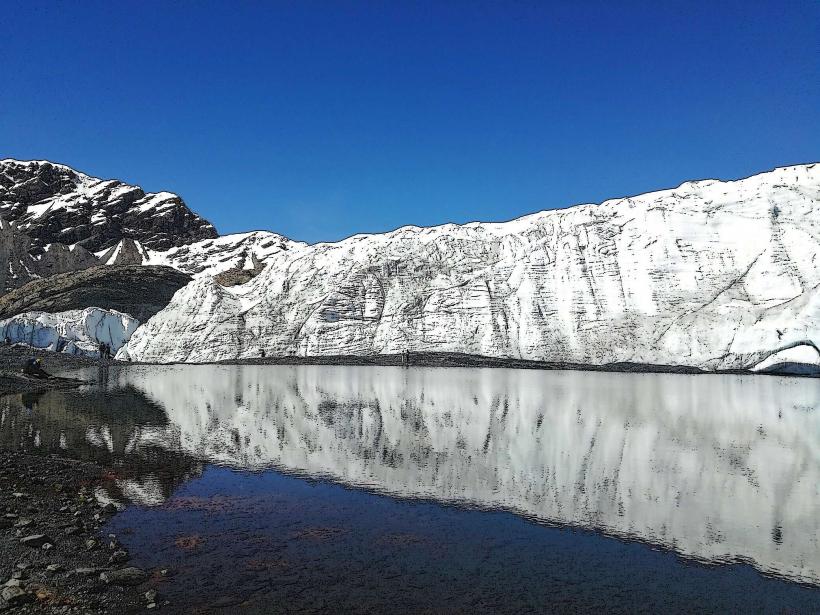
- Appearance: Laguna 69 is a glacial lake with incredibly vibrant turquoise waters. The lake’s color is due to mineral deposits and sediments from the surrounding glaciers that feed into it. The contrast between the deep blue-green water and the white glacier cliffs creates an awe-inspiring scene.
- Surroundings: The lake is surrounded by towering peaks, including Chacraraju, Huascarán, and other snow-capped mountains that provide a dramatic backdrop. Additionally, there are several waterfalls cascading down from the glaciers into the lake, further enhancing the beauty of the location.
Things to Keep in Mind
- Altitude: The trek to Laguna 69 reaches an altitude of 4,600 meters (15,091 feet), and for many visitors, this can be challenging due to the effects of altitude sickness. It is recommended to spend several days acclimatizing in Huaraz or other high-altitude locations before attempting the hike. Staying hydrated, taking it slow, and avoiding overexertion are essential to preventing altitude sickness.
- Physical Fitness: While the trek is not technically difficult, it is physically demanding due to the high altitude and the steep climbs. Hikers should have a moderate level of physical fitness and should prepare for the challenging conditions.
- Weather: The weather in the Cordillera Blanca can change quickly, and trekkers should be prepared for sunny conditions, cold temperatures, and potentially rain or snow. It is recommended to bring layers of clothing, a good jacket, hiking boots, sunscreen, and plenty of water.
- Guides: While the trek to Laguna 69 can be done independently, many visitors opt to take a guided tour, especially for the benefit of local expertise, safety, and environmental education. Guides often provide insight into the flora, fauna, and glacial systems of the region.
Ecological and Environmental Significance
- Glacial Ecosystem: Laguna 69 is part of a unique high-altitude glacial ecosystem within Huascarán National Park. It provides a habitat for a variety of alpine plant species and wildlife, such as vicuñas, Andean condors, and deer.
- Climate Change Impact: Like many glaciers in the Cordillera Blanca, the glaciers feeding into Laguna 69 are receding due to climate change. This retreat has an impact on the water levels of the lake and surrounding rivers, which are crucial for local agriculture and communities.
Best Time to Visit
- The best time to visit Laguna 69 is during the dry season, which runs from May to September. During this period, the weather is generally more stable, with fewer chances of rain or snow. The summer months (December to March) tend to be wetter, with an increased likelihood of rain and cloudy weather.
Conclusion
Laguna 69 is a spectacular and rewarding destination for hikers who are looking to experience the stunning natural beauty of Peru’s Cordillera Blanca. The combination of turquoise glacial waters, snow-capped peaks, and dramatic mountain scenery makes this trek a highlight of any visit to Huascarán National Park. While the trek can be challenging due to the altitude and steep terrain, it is accessible to most hikers and offers a truly unforgettable adventure in one of the most beautiful mountain ranges in the world.