Information
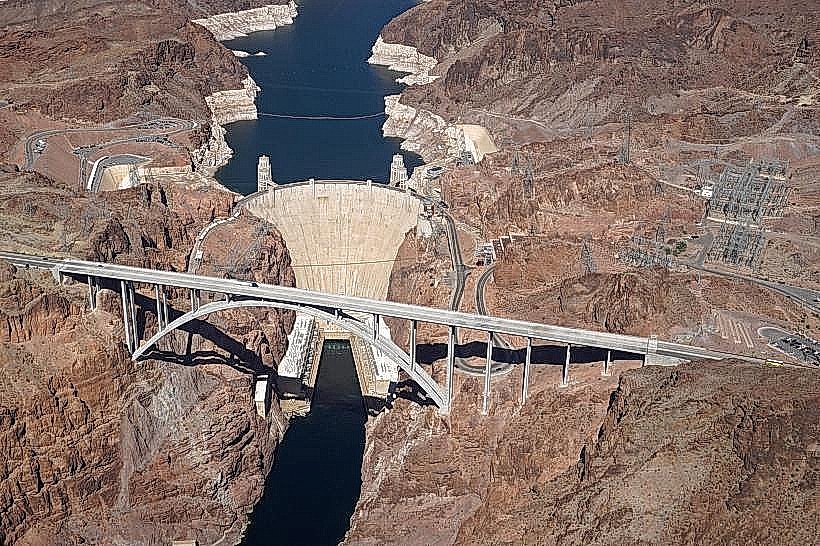
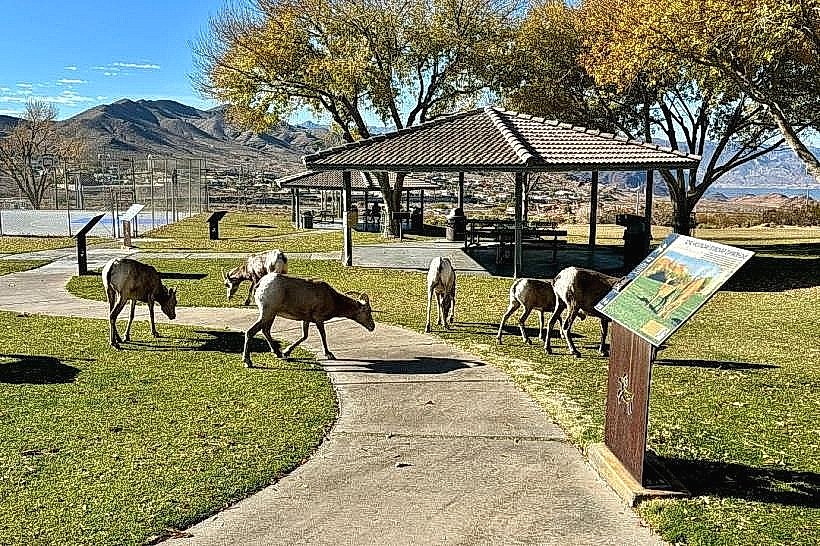
Landmark: Lake Mead National Recreation AreaCity: Boulder City
Country: USA Nevada
Continent: North America
Lake Mead National Recreation Area, Boulder City, USA Nevada, North America
The Mid-America Science Museum is an interactive science museum located in Hot Springs, Arkansas.
It features a variety of exhibits designed to engage visitors with scientific principles through hands-on exploration.
Visual Characteristics
The museum building is a single-story structure with a distinctive geodesic dome that houses the main exhibit hall. The exterior is primarily brick with large glass windows. The dome's exterior is covered in aluminum panels.
Location & Access Logistics
The museum is situated at 500 Conifer Drive, Hot Springs, Arkansas, approximately 3.2 kilometers (2 miles) west of the downtown Hot Springs area. Access is via Highway 70 West (Albert Pike Road). Ample free parking is available on-site, including designated spaces for buses and RVs. No direct public transport routes serve the museum; visitors typically arrive by private vehicle.
Historical & Ecological Origin
The Mid-America Science Museum was founded in 1970. The geodesic dome, a prominent feature, was designed by R. Buckminster Fuller and constructed in 1979. The museum's purpose is to provide educational science exhibits to the public.
Key Highlights & Activities
Visitors can engage with over 100 hands-on exhibits covering topics such as physics, chemistry, biology, and geology. Specific exhibits include the Tesla Coil, the Dinosaur Hall, the Water Works area, and the perpetual motion machine. The museum also hosts live science demonstrations and special events.
Infrastructure & Amenities
Restrooms are available within the museum. Limited shaded areas are present in the outdoor exhibit spaces. Cell phone signal (4G/5G) is generally available. Food vendors are not present on-site, but a gift shop sells snacks and drinks. Several restaurants are located within a 1.6 km (1 mile) radius along Albert Pike Road.
Best Time to Visit
The museum is open year-round. Weekday mornings are typically less crowded than afternoons or weekends. For optimal viewing of the Tesla Coil demonstration, check the daily schedule upon arrival. The indoor exhibits are accessible regardless of weather conditions.
Facts & Legends
The museum's 10,000-square-foot outdoor science park features the world's largest collection of permanent, outdoor science exhibits, including a 50-foot-tall water vortex and a 100-foot-long kinetic sculpture.
Nearby Landmarks
- Hot Springs National Park Visitor Center (1.5km Northeast)
- Garvan Woodland Gardens (5km Southwest)
- Mid-America Science Museum Nature Trail (0.1km West)
- Mid-America Science Museum Outdoor Science Park (0.1km West)
- Lake Hamilton (4km South)