Information
Country: USA NevadaContinent: North America
USA Nevada, North America
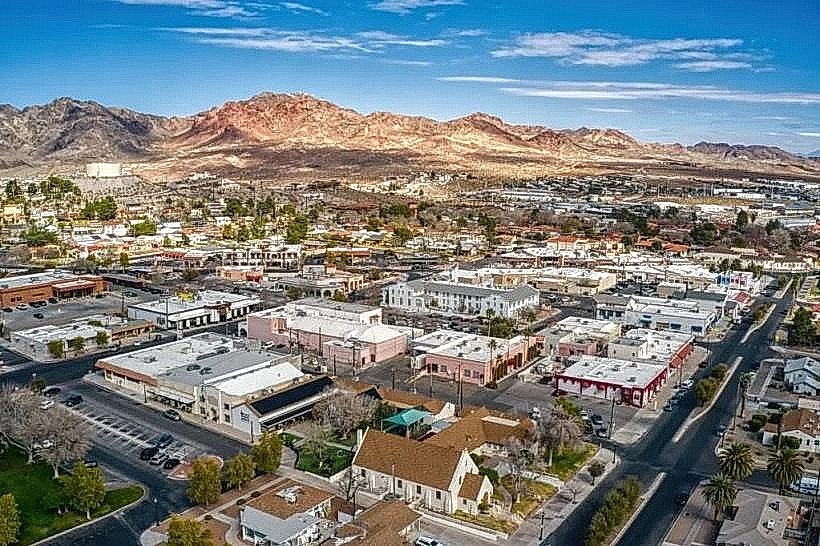
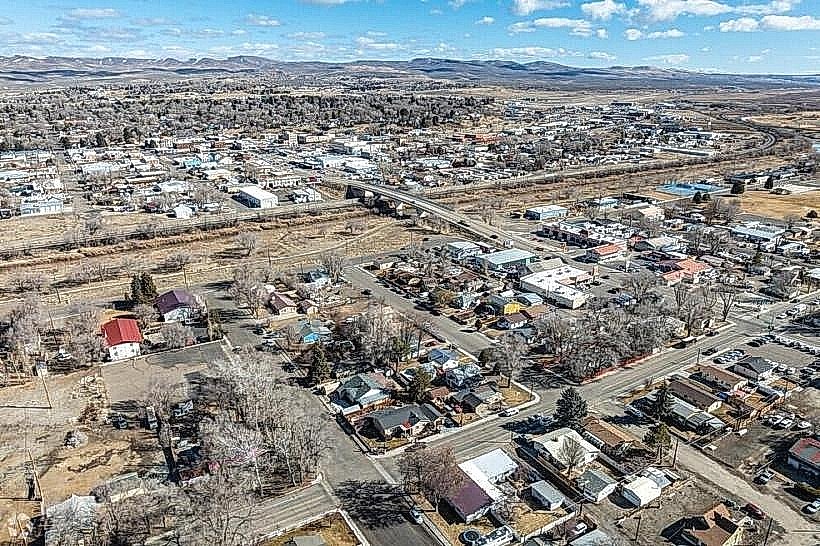
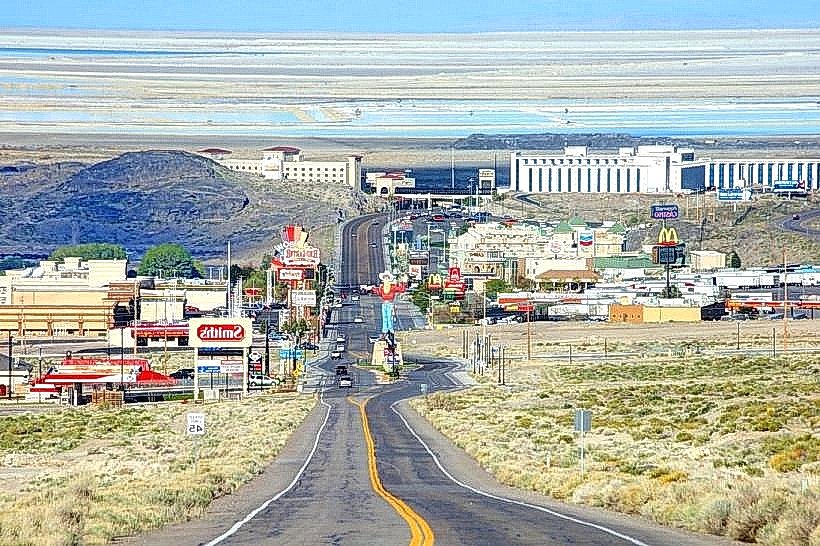
Nevada is located in the Mountain West region of the United States, bordering Oregon and Idaho to the north, Utah to the east, Arizona to the southeast, and California to the west. It is the driest state in the nation, characterized by the Great Basin Desert and over 300 individual mountain ranges. The capital city is Carson City.
History & Culture
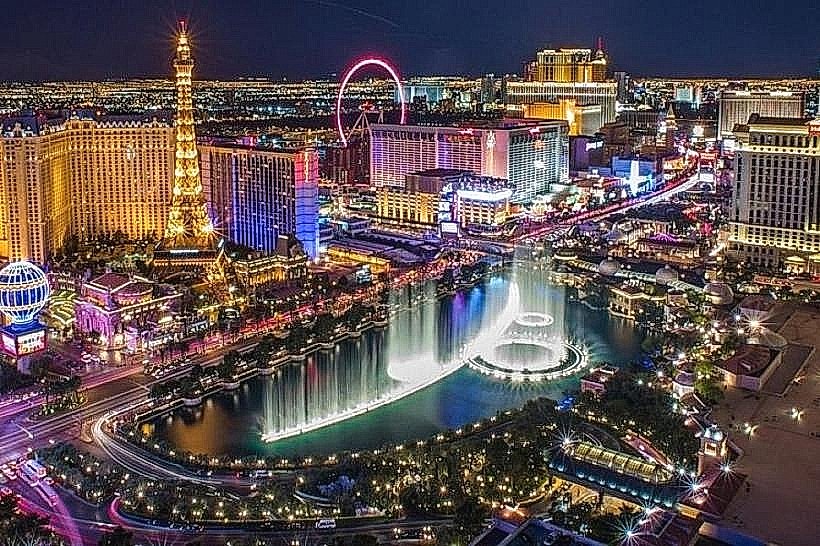
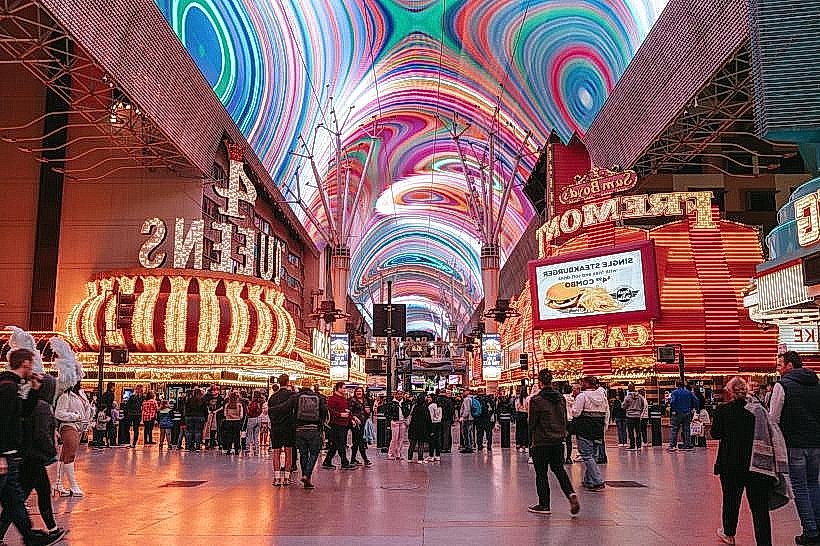
Nevada was admitted to the Union in 1864 as the 36th state (the "Battle Born State") to support the Union during the Civil War. Its culture is a dichotomy of the frontier "Old West" and the global entertainment hub of Las Vegas. Primary religious affiliations are Protestant (35%), Catholic (25%), and irreligious/secular (28%). Social etiquette emphasizes a "live and let live" ethos, particularly regarding 24-hour entertainment, and a standardized 18–25% tipping expectation.
Language & Communication
English is the universal language. Spanish is the second most common language (approx. 20%). Regional dialects are generally Western American, though the Las Vegas area features a linguistic mix due to its high transient and international population.
Population & Economy
The population is approximately 3.27 million, with nearly 75% residing in Clark County (Las Vegas). GDP per capita is approximately $76,400 USD. The economy is traditionally driven by tourism, gaming, and gold mining (Nevada is the largest gold producer in the U.S.). In 2026, the state is aggressively diversifying into advanced manufacturing, logistics, and clean energy, with Clark County and Carson City leading national business strength rankings.
Visa & Entry Policy
Effective January 1, 2026, under Presidential Proclamation 10998, visa issuance is suspended or restricted for nationals of 39 countries to enhance security vetting. Citizens of most EU nations and the UK require an ESTA for stays up to 90 days. Other international travelers require a B1/B2 visa. There is no Visa on Arrival system. Customs enforcement at Harry Reid International (LAS) is strict regarding undeclared currency and biological materials.
Currency & Payment Systems
The currency is the United States Dollar (USD). Card payments and mobile "tap-to-pay" are universal, especially in resort environments. Cash remains essential for casino gaming, small tips (valet, housekeeping), and rural establishments. ATM availability is exceptionally high in Las Vegas and Reno.
National Transport Grid
Intercity travel is dominated by I-15 (South) and I-80 (North). Amtrak provides service via the "California Zephyr." Domestic and international aviation is anchored by Harry Reid International (LAS) and Reno-Tahoe International (RNO). In 2026, Las Vegas is increasingly defined by the "Loop" underground transit system and extensive ride-share infrastructure.
Digital Infrastructure
Major mobile network providers are Verizon, AT&T, and T-Mobile. 5G coverage is comprehensive in the Las Vegas Valley and Reno-Sparks. In early 2026, Governor Lombardo announced the approval of the $416 million BEAD plan, expanding high-speed fiber to 28,000 unserved rural homes and businesses. New laws regulating AI-generated "deepfakes" in campaign materials took effect on January 1, 2026.
Climate & Seasonality
The climate is predominantly arid. Summers (June–August) are extremely hot, frequently exceeding 100°F ($38$°C) in the south. Winters are cold, particularly in the north and at high elevations. For the 2025–2026 winter, La Niña conditions have resulted in below-average precipitation for the Mojave Desert. Public forecast zone changes for the state take effect on March 3, 2026.
Health & Safety
No mandatory vaccines are required for entry. Specific environmental risks include extreme heat/dehydration, rapid temperature drops in the desert at night, and winter storms in mountain passes. The emergency number for Police, Ambulance, and Fire is 911.
Top 3 Major Regions & Cities
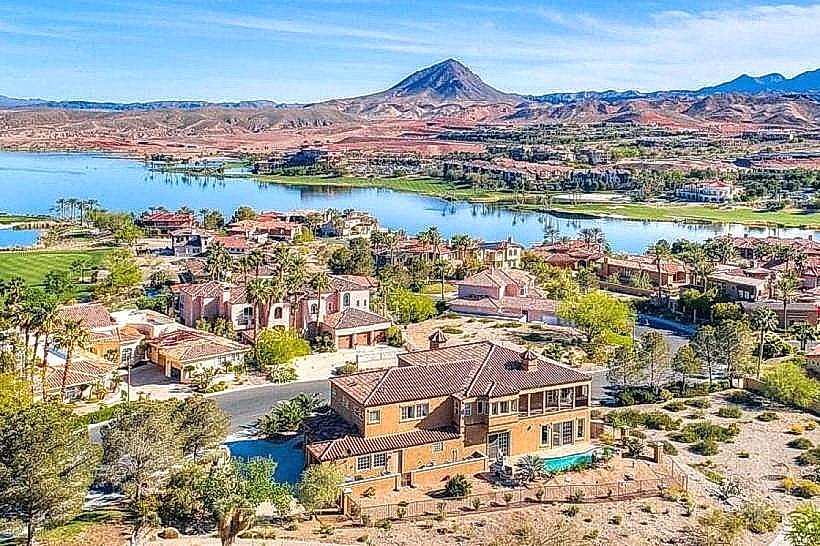
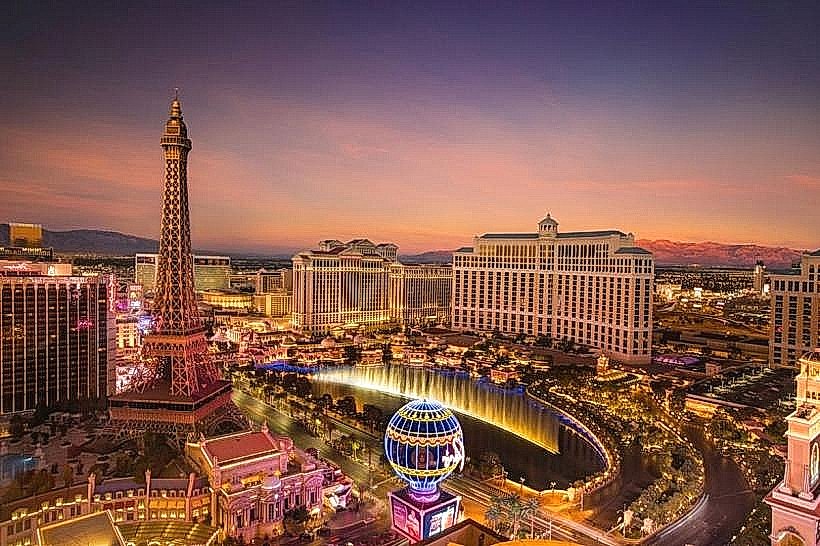
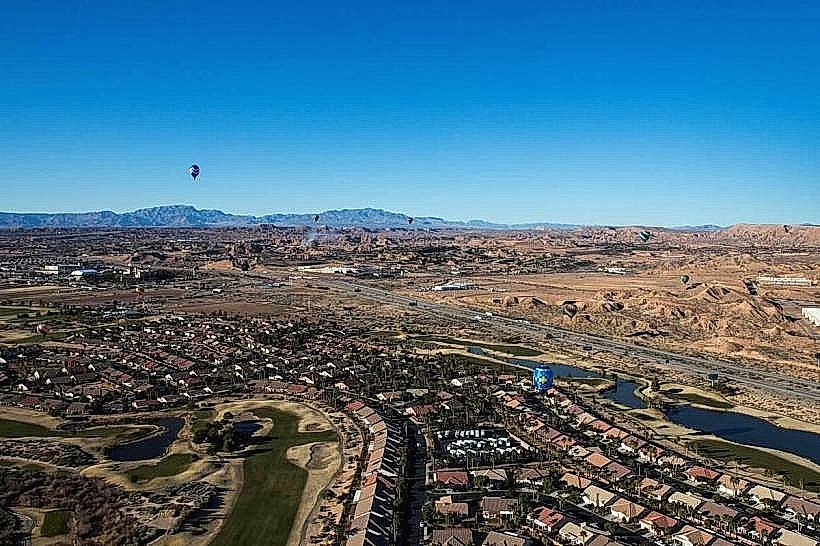
Las Vegas Valley (Tourism/Sports/Tech): Hub cities are Las Vegas and Henderson.
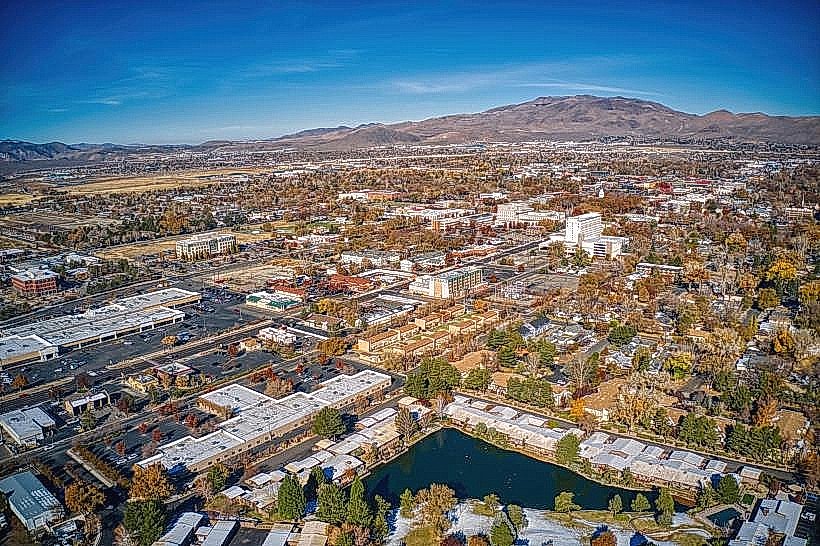
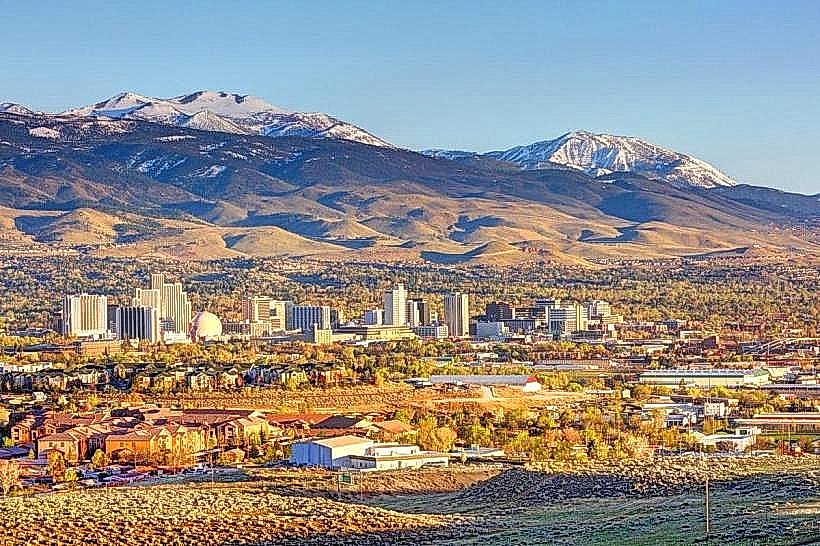
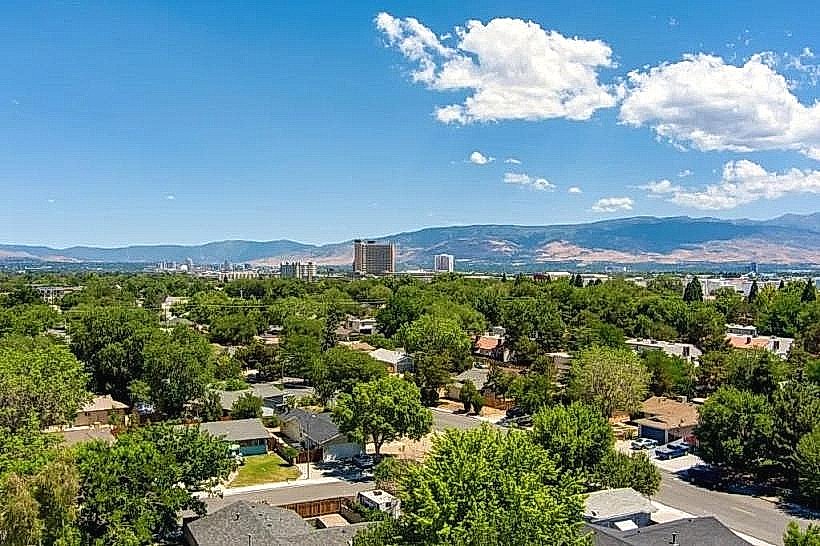
Truckee Meadows (Logistics/Manufacturing): Hub city is Reno.
Western Frontier (Government/Lakes): Hub city is Carson City.
Local Cost Index
1L Water: $2.40 USD
1 Domestic Beer: $8.00 USD (Strip pricing); $5.00 USD (Off-Strip)
1 Sim Card (Data Plan): $45.00 USD
Facts & Legends
Nevada contains more mountain ranges than any other U.S. state. A prominent local legend is the "Water Babies" of Pyramid Lake, described as vengeful spirits of infants cast into the lake. Area 51, a highly classified Air Force facility in the southern desert, remains the global center of UFO and extraterrestrial folklore. In 2026, the state continues to promote the "Extraterrestrial Highway" (SR 375) as a primary tourism route for cryptid enthusiasts.