Information
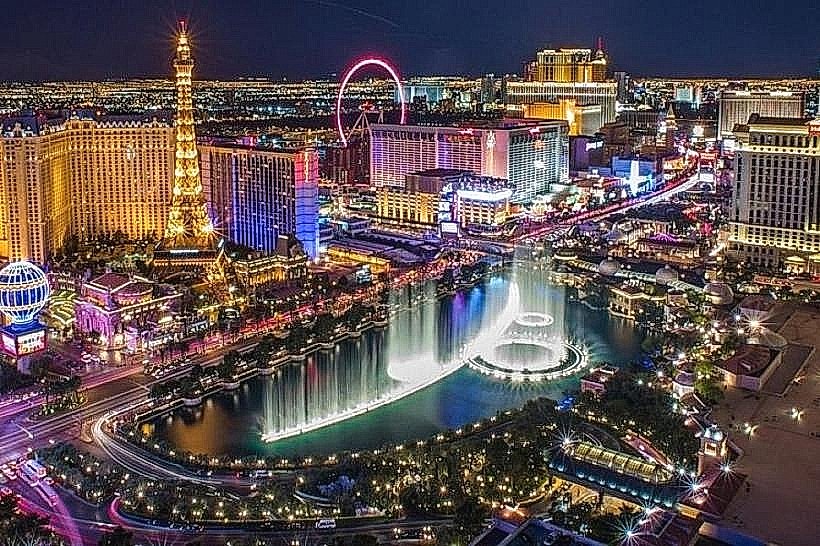
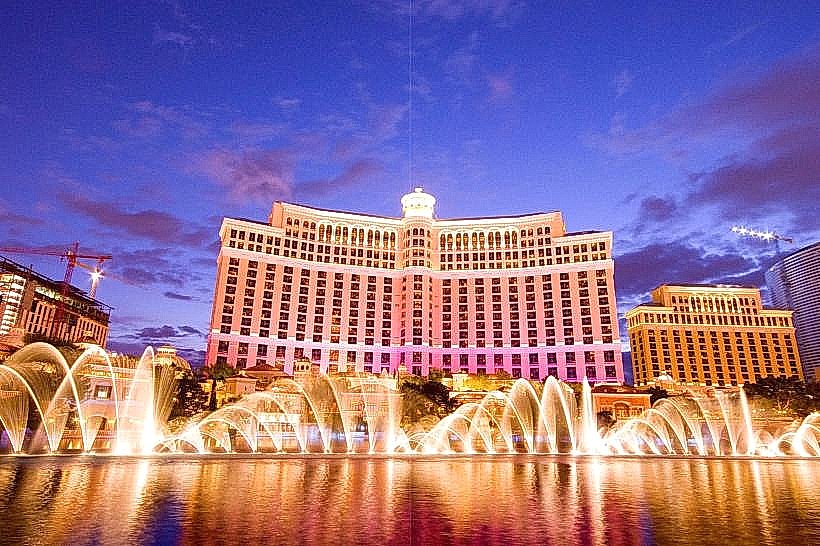
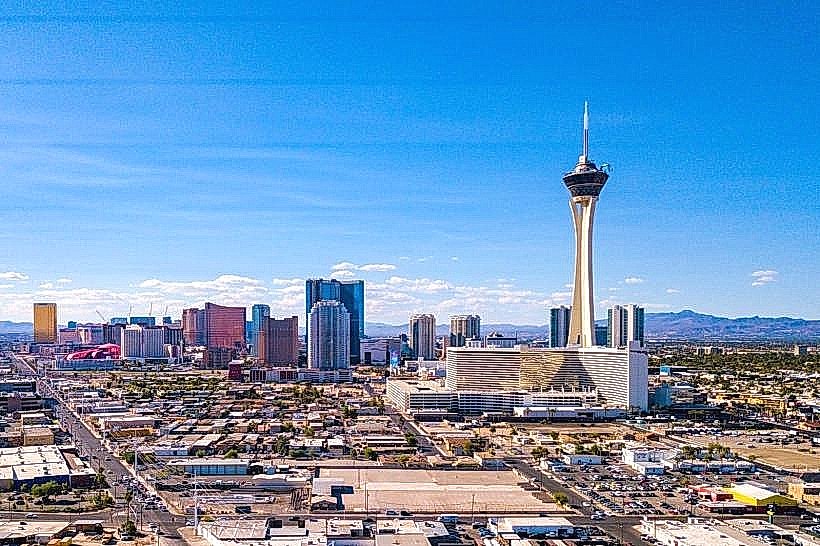
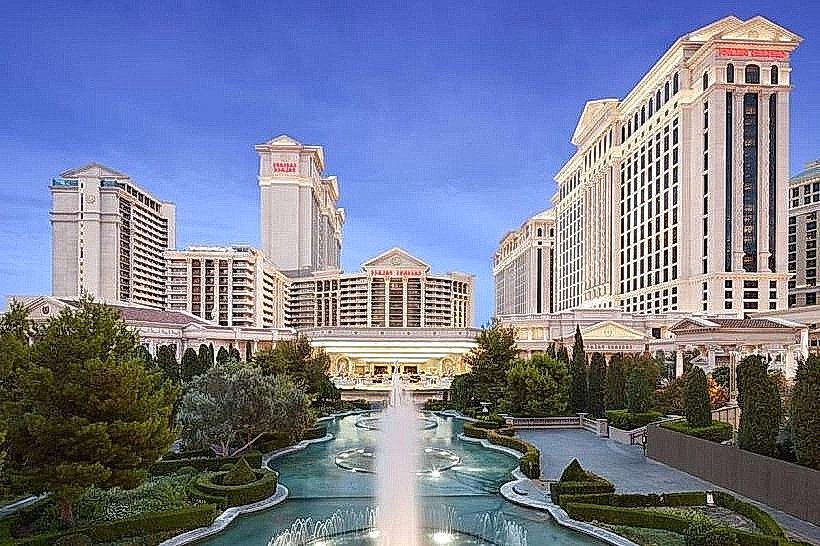
Landmark: Fremont Street ExperienceCity: Las Vegas
Country: USA Nevada
Continent: North America
Fremont Street Experience, Las Vegas, USA Nevada, North America
Settler's Rock is a large glacial erratic located on Block Island, New Shoreham, Rhode Island.
Visual Characteristics
The rock is a granite boulder measuring approximately 15 feet in length, 10 feet in width, and 8 feet in height. Its surface is weathered, displaying a greyish-brown coloration with visible striations and lichen growth. The base of the rock is partially submerged in sand and vegetation.
Location & Access Logistics
Settler's Rock is situated on the western coast of Block Island, approximately 2.5 miles southwest of the Old Harbor ferry terminal. Access is via Corn Neck Road, turning onto a dirt path marked for the Mohegan Bluffs. Parking is available at a small, unpaved lot adjacent to the path. From the parking area, it is a 0.2-mile walk south along the coastline.
Historical & Ecological Origin
This rock is a glacial erratic, transported and deposited by the Laurentide Ice Sheet during the last glacial period approximately 10,000 to 15,000 years ago. It is composed of granite, a common igneous rock in New England, and is not native to the bedrock of Block Island, which is primarily sedimentary.
Key Highlights & Activities
Observation of the rock's geological significance. Photography of the coastal landscape. Beachcombing along the adjacent shoreline.
Infrastructure & Amenities
No restrooms or designated shade structures are present at the immediate site. Cell phone signal (4G/5G) is generally available but can be intermittent due to the coastal location. No food vendors are located directly at Settler's Rock; amenities are available in New Shoreham town center.
Best Time to Visit
For photography, the late afternoon offers favorable lighting conditions due to the western exposure. The best months for visiting are from May to October, avoiding potential winter storms. Access is not tide-dependent.
Facts & Legends
Local folklore suggests that the first European settlers to Block Island used this rock as a landmark for navigation. Geologically, it serves as a tangible reminder of the immense power of glacial forces that shaped the island's topography.
Nearby Landmarks
- Mohegan Bluffs (0.3km Southeast)
- Southeast Lighthouse (1.2km East)
- Ballard's Beach (2.8km Northeast)
- Old Harbor (3.0km Northeast)
- Block Island Historical Society Museum (3.1km Northeast)