Information
City: Las VegasCountry: USA Nevada
Continent: North America
Las Vegas, USA Nevada, North America
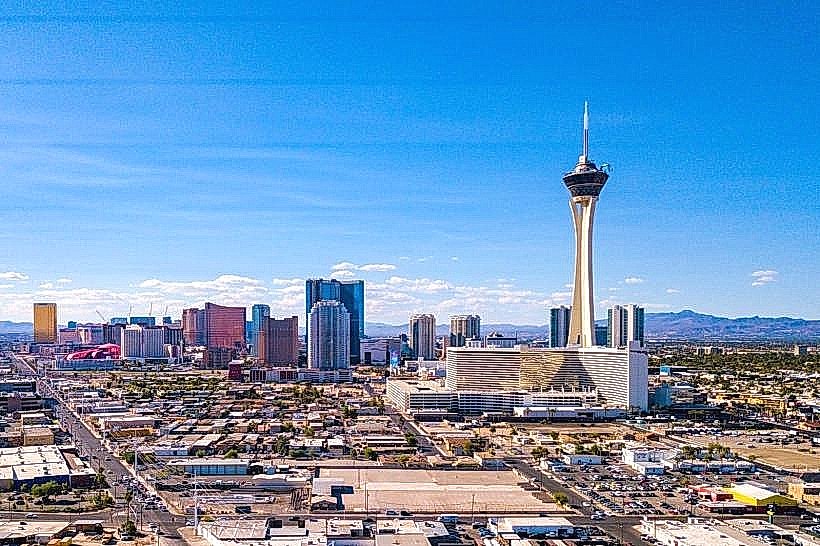
Las Vegas is the most populous city in Nevada and the seat of Clark County. Situated in the Mojave Desert, it is a global destination for tourism, gambling, shopping, and fine dining, serving as the leading financial and cultural center for Southern Nevada.
Historical Timeline
Originally an oasis utilized by the Paiute people. Settled by LDS missionaries in 1855, it became a railroad town in 1905. The city’s growth was catalyzed by the 1931 legalization of gambling and the construction of the nearby Hoover Dam. In the mid-20th century, the city became a center for organized crime and luxury resort development, evolving by the 1990s into a corporate-dominated "Mega-Resort" era. By 2026, the city has diversified into a major professional sports hub and a burgeoning tech center.
Demographics & Population
The estimated 2026 population of the Las Vegas Valley is 2,380,000.
Composition: 40.5% White (non-Hispanic), 33.2% Hispanic/Latino, 13.1% Black or African American, and 10.4% Asian.
Economics: Median household income is $66,356. The economy is pivoting toward renewable energy and professional sports, though hospitality remains the primary employer.
Urban Layout & Key Districts
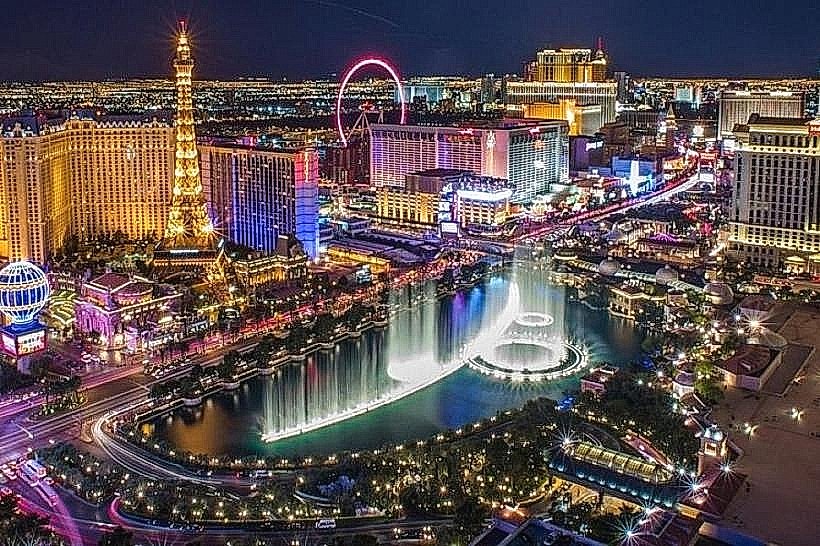
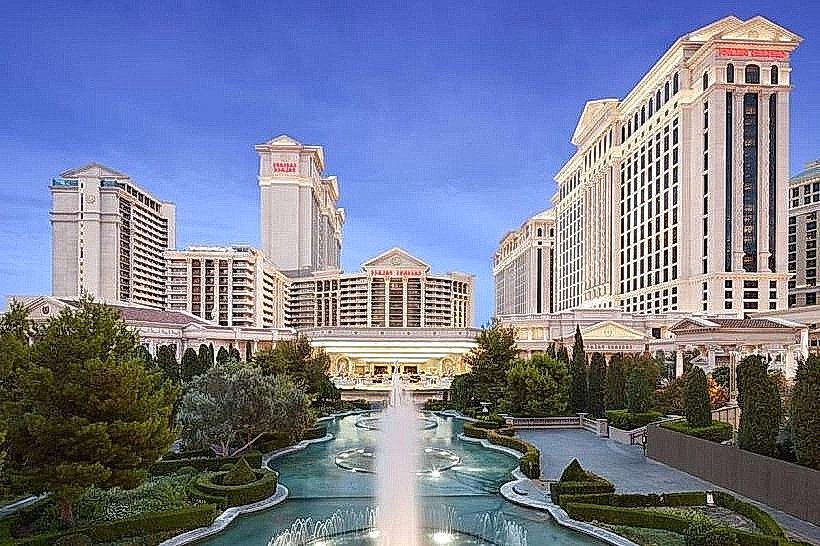
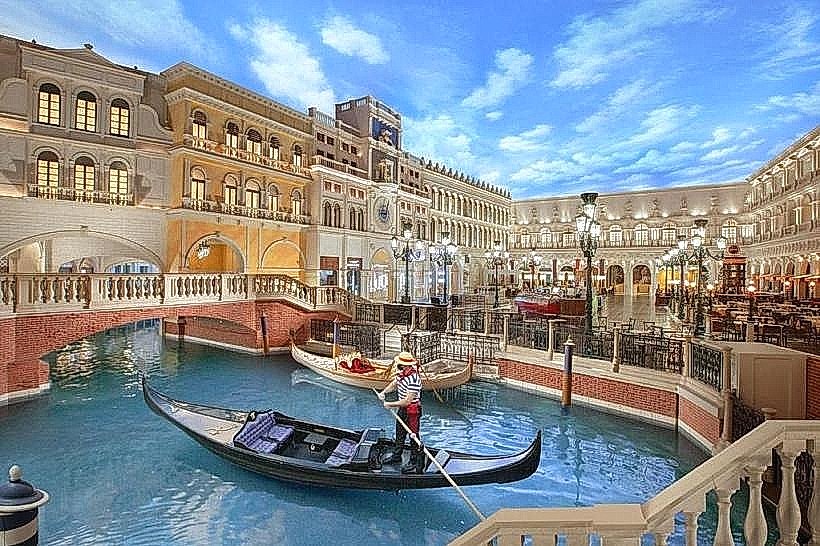
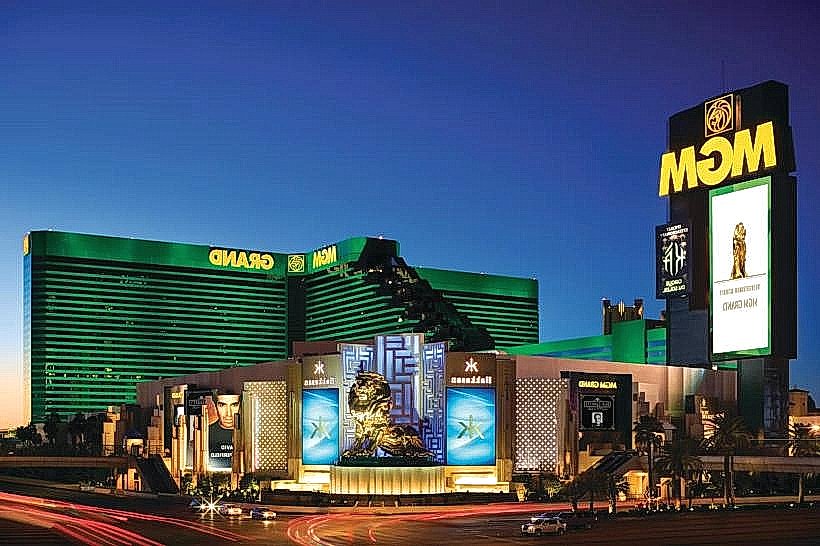
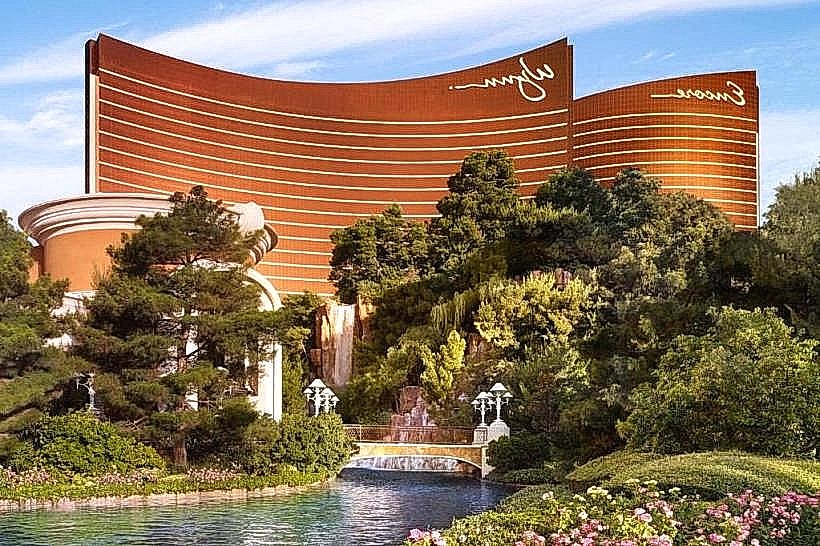
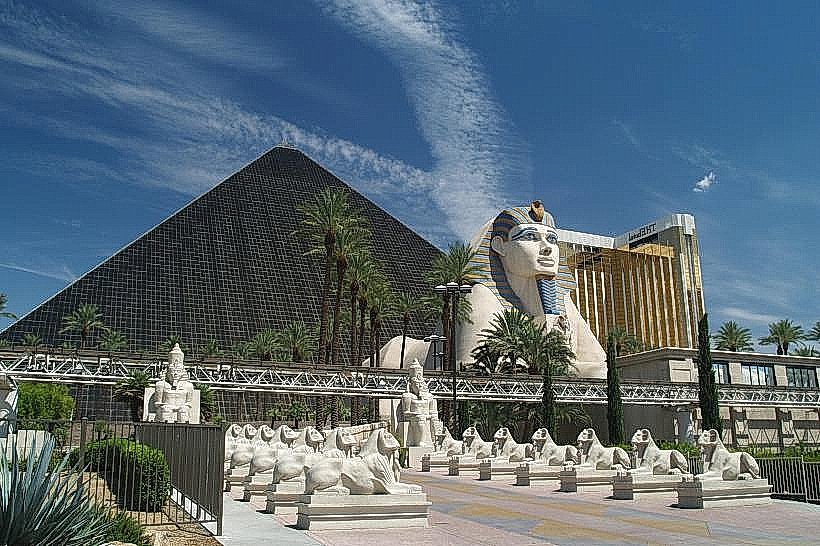
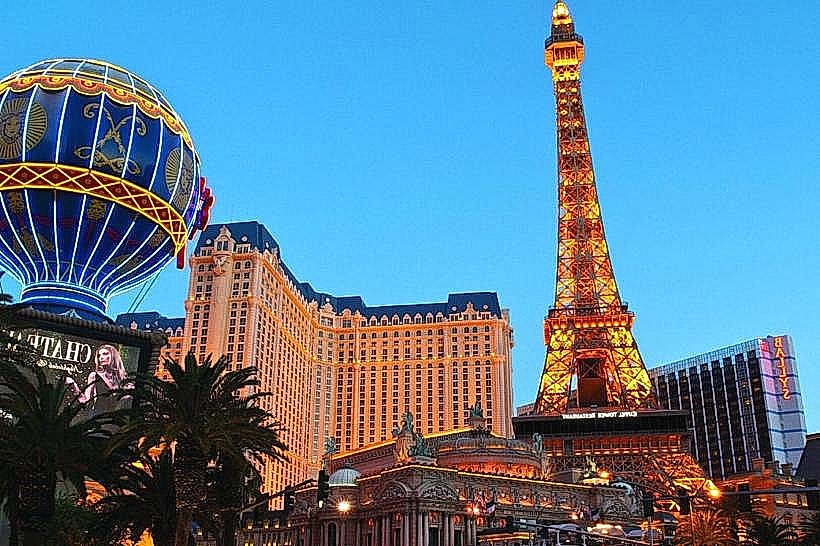
The Strip (South Las Vegas Blvd): Located mostly in the unincorporated town of Paradise; contains the highest concentration of resort hotels and casinos.
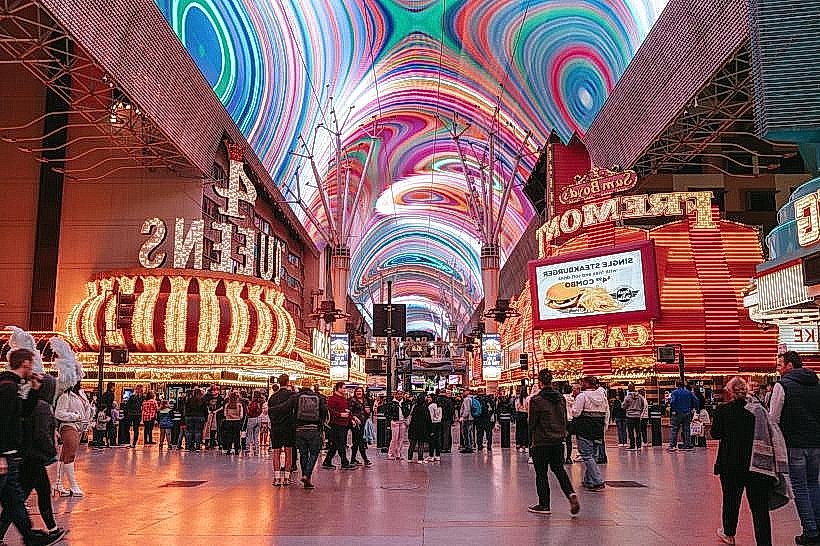
Downtown (Fremont Street): The historic center featuring the Fremont Street Experience and the legal/administrative core.
Summerlin: An affluent master-planned community on the western edge against the Red Rock Canyon.
Arts District (18b): A rapidly gentrifying area between Downtown and the Strip focused on local art, breweries, and vintage shops.
Henderson: An adjacent city that functions as a major residential and industrial suburb.
Top Landmarks & Attractions
The Sphere: A 366-foot-tall spherical music and entertainment arena featuring a massive exterior LED "exoskin."
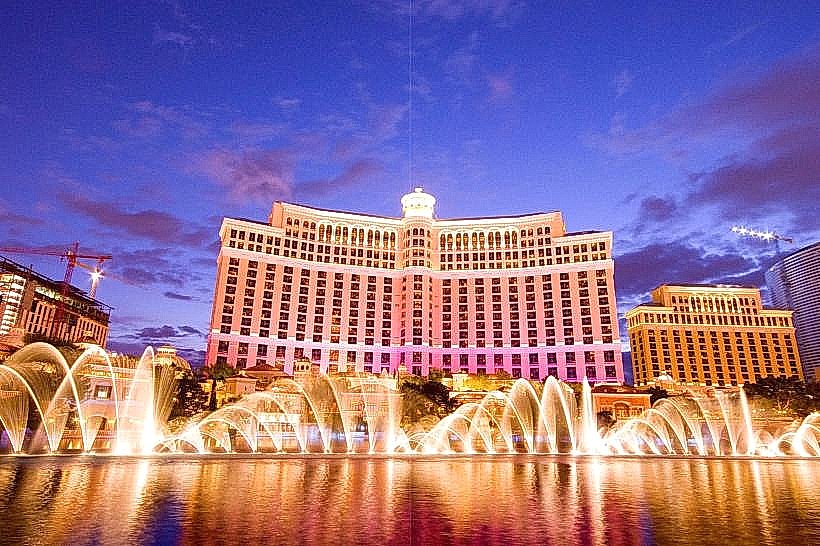
Bellagio Fountains: A synchronized water feature set in an 8-acre lake.
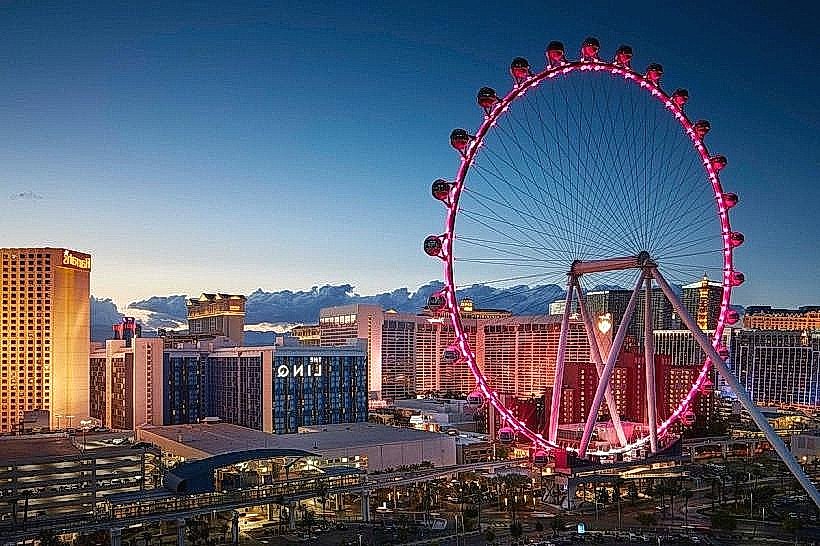
High Roller: A 550-foot tall observation wheel offering panoramic views of the valley.
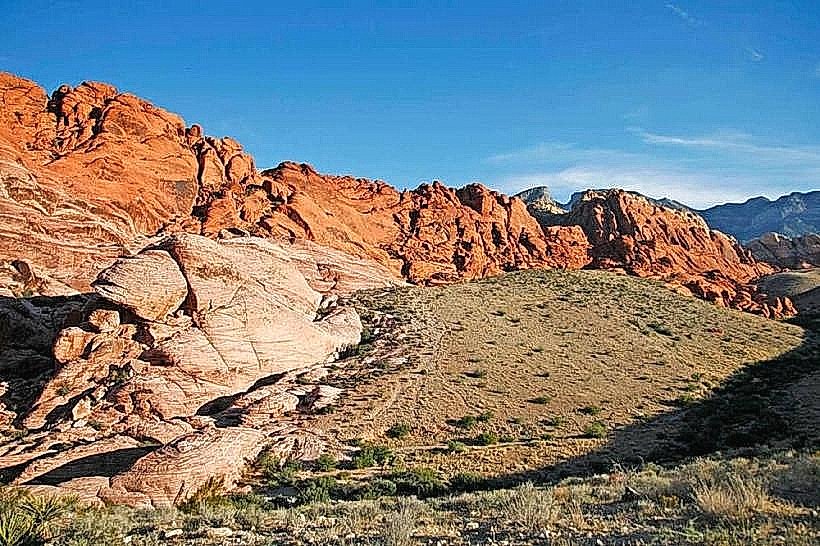
Red Rock Canyon National Conservation Area: Located 15 miles west; features dramatic red sandstone peaks and petroglyphs.
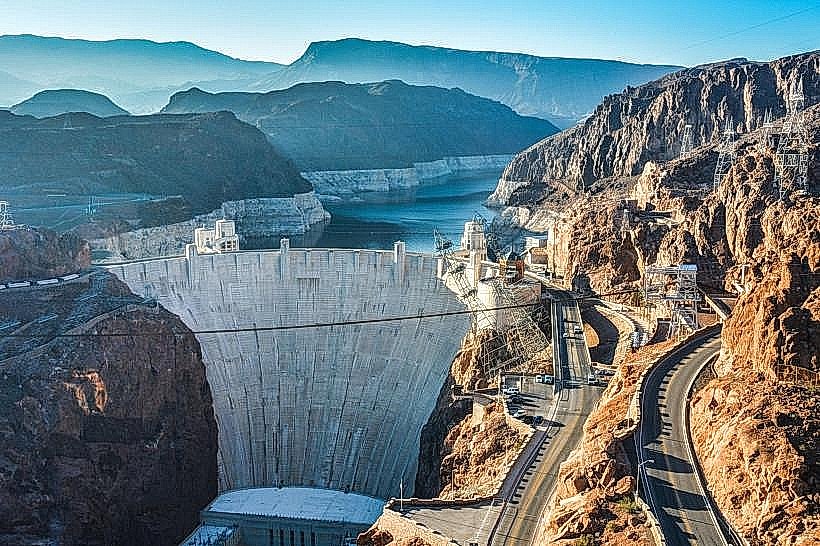
Hoover Dam: A massive concrete arch-gravity dam on the Colorado River, 30 miles southeast.
Allegiant Stadium: Home of the Las Vegas Raiders and host to major international sporting events.
Transportation & Infrastructure (2026)
Harry Reid International Airport (LAS): One of the busiest airports in the U.S.
Brightline West: As of Jan 2026, construction is at peak intensity for the high-speed rail link connecting Las Vegas to Southern California, with a target opening in 2028.
The Boring Company (Vegas Loop): Underground Tesla-based transit is currently expanding to connect the West Hall of the Convention Center to the University of Nevada, Las Vegas (UNLV) and the airport.
Safety & Environmental Alerts (Jan 26, 2026)
Drought Status: Extreme. Lake Mead remains at critically low levels; mandatory "non-functional turf" removal laws are strictly enforced throughout the valley.
Weather: Typical winter conditions. Daytime highs of 16°C (61°F); overnight lows of 4°C (39°F).
Air Quality: Good (AQI 34). Dust levels are low due to light winds.
Flash Flood Warning: None active. However, the city's complex storm drain system is under continuous monitoring during the winter storm season.
Digital & Financial Infrastructure
Las Vegas is home to Switch, a global leader in massive-scale data centers. The US Dollar (USD) is the currency. There is no state income tax in Nevada. Sales tax is 8.375%.
Climate & Air Quality
The city has a Subtropical Hot Desert climate (BWh).
Average Sunny Days: 310 per year.
Conditions: Sunny with scattered high clouds; 15% humidity.
Local Cost Index
1 Espresso: $4.50 – $7.00
1 Buffet Dinner (The Strip): $55.00 – $110.00
Median Monthly Rent: $1,850
Tourism Impact: Visitor spending in 2025 reached a record high of $82 billion.
Facts & Legends
Las Vegas has more hotel rooms than any other city on Earth (approx. 150,000). A verified fact: The city's bright lights are visible from space. A local legend involves the "Ghost of the Flamingo," where some claim the spirit of mobster Bugsy Siegel still wanders the gardens of the resort he founded.