Information
Landmark: Lake SquamCity: Central NH
Country: USA New Hampshire
Continent: North America
Lake Squam, Central NH, USA New Hampshire, North America
Lake Squam is a large, natural lake situated in the central region of New Hampshire, USA. It is the second-largest lake in the state by surface area.
Visual Characteristics
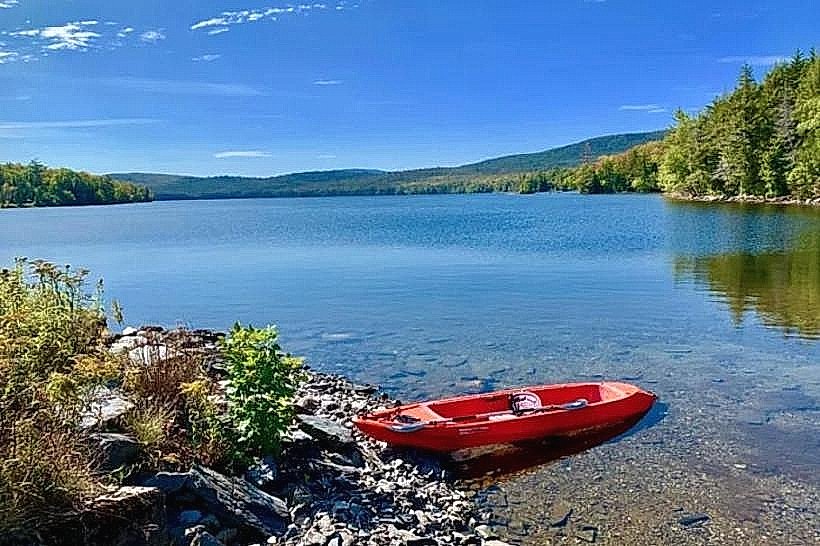
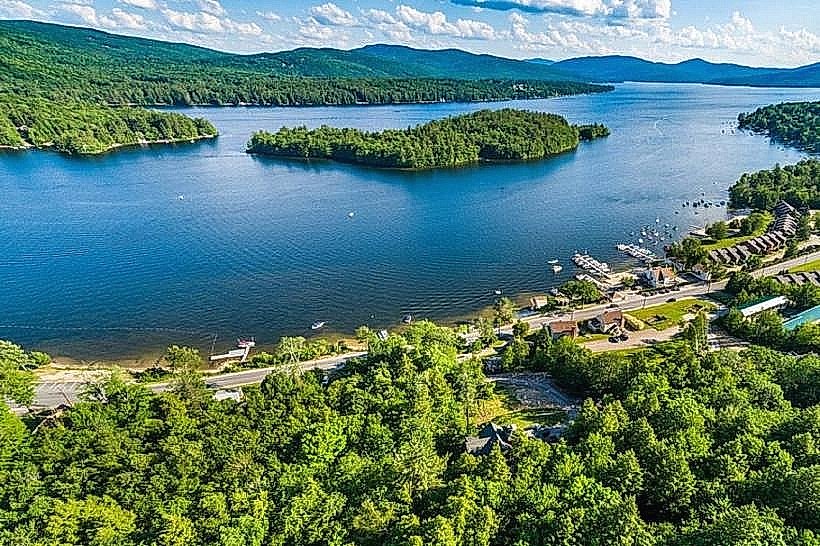
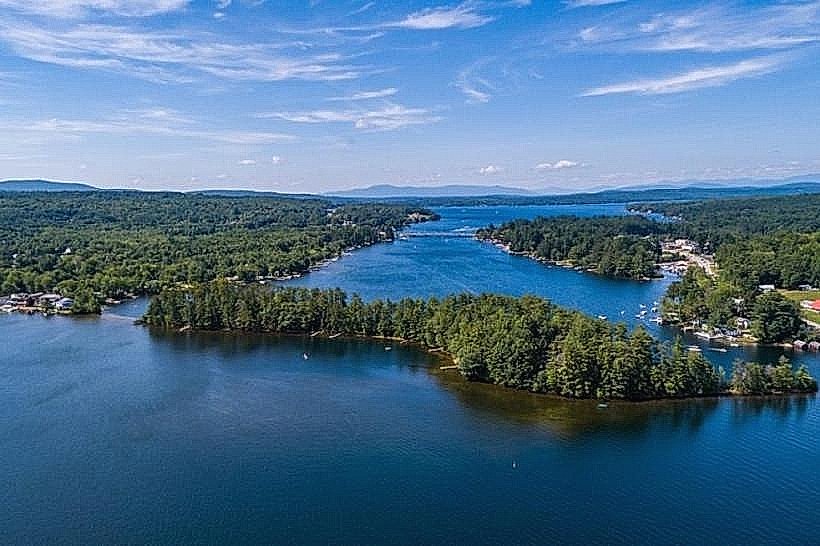
The lake features a complex shoreline with numerous coves and islands. Water color varies from deep blue in open areas to greenish near shorelines with submerged vegetation. Shorelines are predominantly rocky or sandy, with surrounding forests composed of mixed deciduous and coniferous trees.
Location & Access Logistics
Lake Squam is located approximately 10 miles west of Concord, NH. Access is primarily via State Route 113, which skirts the southern and eastern shores. Several public boat launches are available, including those at Ashland and Holderness. Parking is available at designated launch sites, though it can be limited during peak season. No direct public bus service reaches the lake; regional bus lines connect to nearby towns like Plymouth and Ashland, requiring onward taxi or ride-share service.
Historical & Ecological Origin
Lake Squam is a glacial lake, formed by the retreat of the Laurentide Ice Sheet approximately 10,000 years ago. Its basin was carved by glacial meltwater and ice movement. The lake has been a significant resource for local communities since European settlement, utilized for fishing, transportation, and recreation.
Key Highlights & Activities
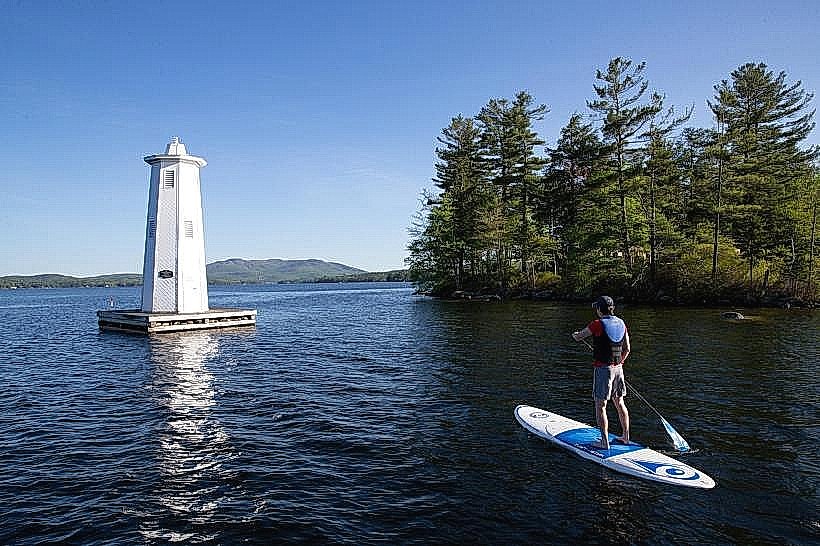
Activities include boating, kayaking, canoeing, and fishing. Swimming is permitted in designated areas. Hiking trails are present on several of the larger islands, accessible by boat. Boat rentals are available at marinas along the shore.
Infrastructure & Amenities
Restrooms are available at public boat launches and some lakeside parks. Shade is provided by surrounding trees. Cell phone signal (4G/5G) is generally available in most areas, though it may be weaker on the water or in more remote coves. Food vendors and restaurants are located in the towns of Holderness and Ashland adjacent to the lake.
Best Time to Visit
For photography, early morning and late afternoon offer optimal lighting conditions due to the angle of the sun. The best months for general visitation are June through September, with July and August being the warmest. Water levels are generally stable throughout the summer. Ice fishing is a winter activity, typically from January to March, dependent on ice thickness.
Facts & Legends
Lake Squam was famously used as a filming location for the 1981 film "On Golden Pond." A specific local legend speaks of a large, unseen creature occasionally sighted in the deeper sections of the lake, though no scientific evidence supports this.
Nearby Landmarks
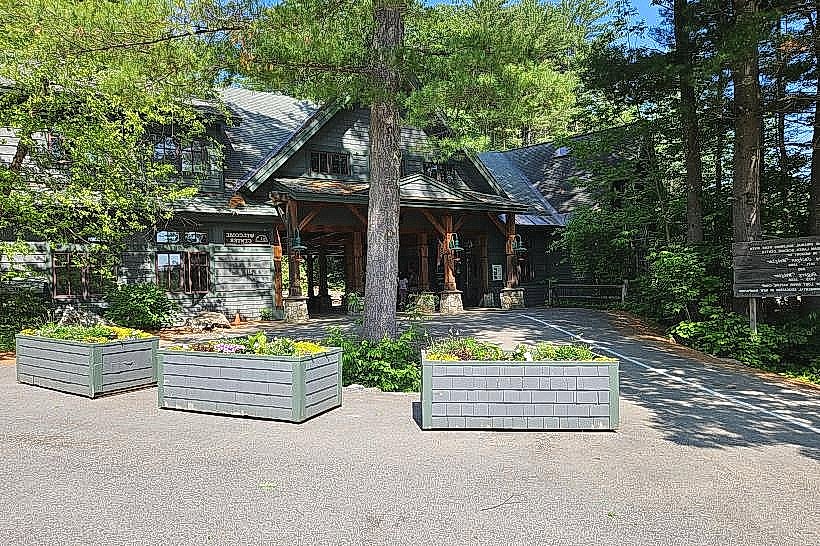
- Squam Lakes Natural Science Center (0.8km Northeast)
- Holderness Historical Society Museum (1.5km East)
- Wellington State Park (3.2km Southwest)
- Center Sandwich Village (4.5km Northwest)