Information
Landmark: Lake TarletonCity: Central NH
Country: USA New Hampshire
Continent: North America
Lake Tarleton, Central NH, USA New Hampshire, North America
Lake Tarleton is a natural lake situated in the central region of New Hampshire, USA.
This body of water covers an area of approximately 120 acres.
Visual Characteristics
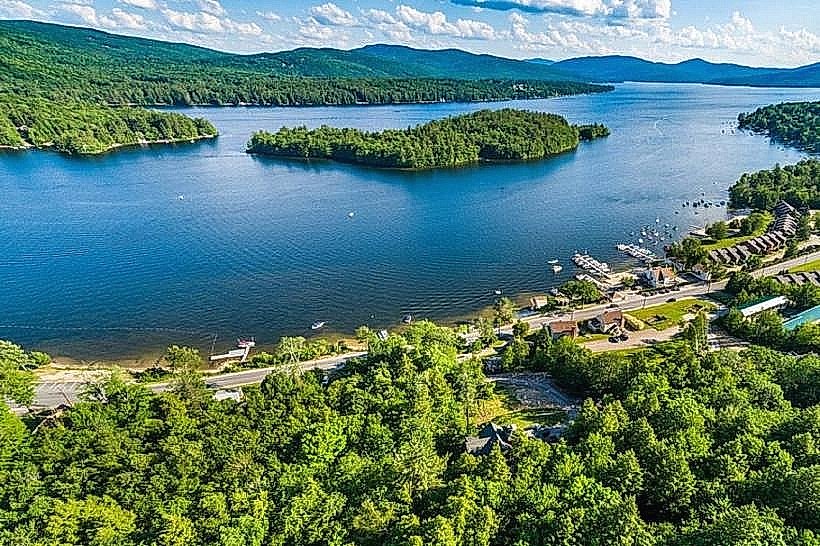
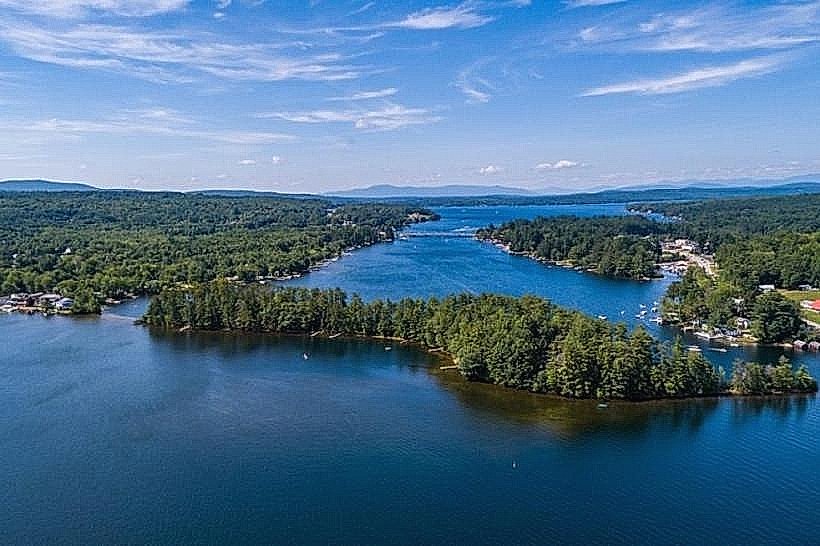
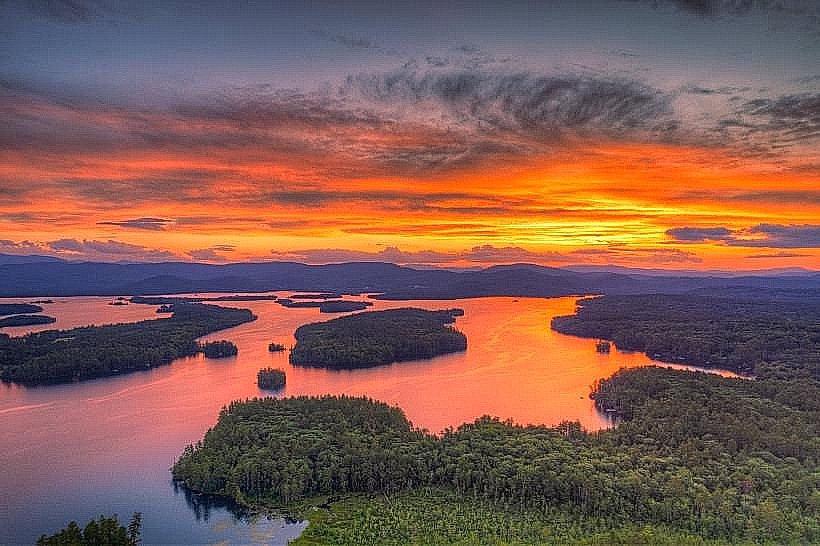
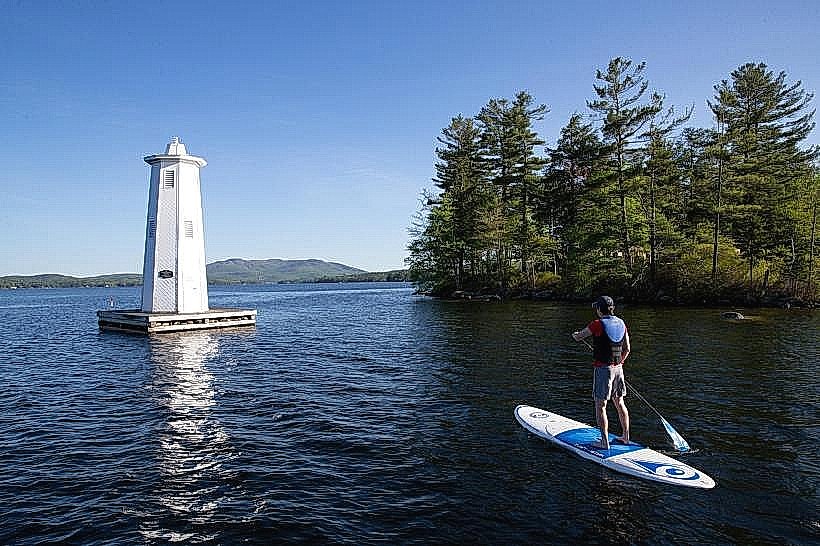
The lake's surface is typically clear, reflecting the surrounding deciduous forest. Shorelines are a mix of gravel and sandy deposits, with some areas featuring exposed granite formations. Water depth varies, with shallower areas near the edges and a maximum depth of approximately 30 feet in the central basin. Surrounding vegetation is dense, primarily composed of pine, oak, and maple trees.
Location & Access Logistics
Lake Tarleton is located approximately 15 miles west of Concord, New Hampshire. Access is via Route 103 West. Turn north onto Tarleton Road, a paved, unmaintained public road. The road leads directly to a small, unimproved parking area at the lake's southern end. No public transportation services operate directly to the lake.
Historical & Ecological Origin
Lake Tarleton is a glacial lake, formed by the retreat of ice sheets during the last glacial period. Its basin was carved by glacial erosion and subsequently filled with meltwater. The surrounding landscape exhibits evidence of glacial scouring and deposition.
Key Highlights & Activities
Kayaking and canoeing are permitted on the lake. Fishing is a common activity; species present include bass and perch. Hiking trails circumnavigate portions of the lake, offering access to different viewpoints. Swimming is possible during warmer months.
Infrastructure & Amenities
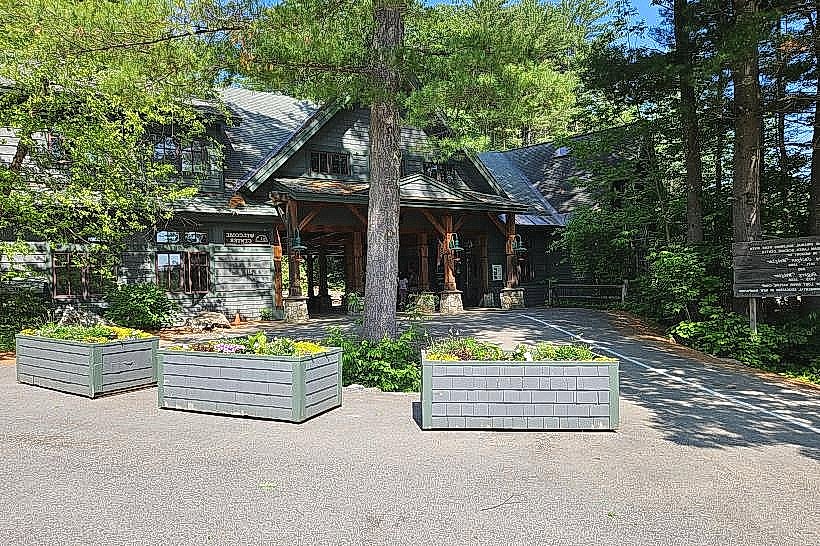
A small, unimproved parking area is available. No restroom facilities are present. Shade is provided by the surrounding tree cover. Cell phone signal is intermittent to non-existent within the immediate vicinity of the lake.
Best Time to Visit
For photography, early morning or late afternoon provides optimal lighting conditions due to the angle of the sun. The months of June through September offer the most favorable weather for outdoor activities. Water levels are generally consistent throughout the year.
Facts & Legends
Local folklore suggests that the lake was once a sacred site for indigenous tribes, with tales of unusual lights observed over the water during certain lunar phases. Geologically, the lakebed contains deposits of fine silt and clay.
Nearby Landmarks
- White Mountains National Forest (25km North)
- Mount Kearsarge State Park (18km East)
- New Hampshire State House (16km East)
- Bear Brook State Park (22km Southeast)