Information
Landmark: Lankaran FortressCity: Lankaran
Country: Azerbaijan
Continent: Asia
Lankaran Fortress, Lankaran, Azerbaijan, Asia
Lankaran Fortress is a historical fortification located in the city of Lankaran, Azerbaijan.
This structure served as a defensive point along the Caspian Sea coast.
Visual Characteristics
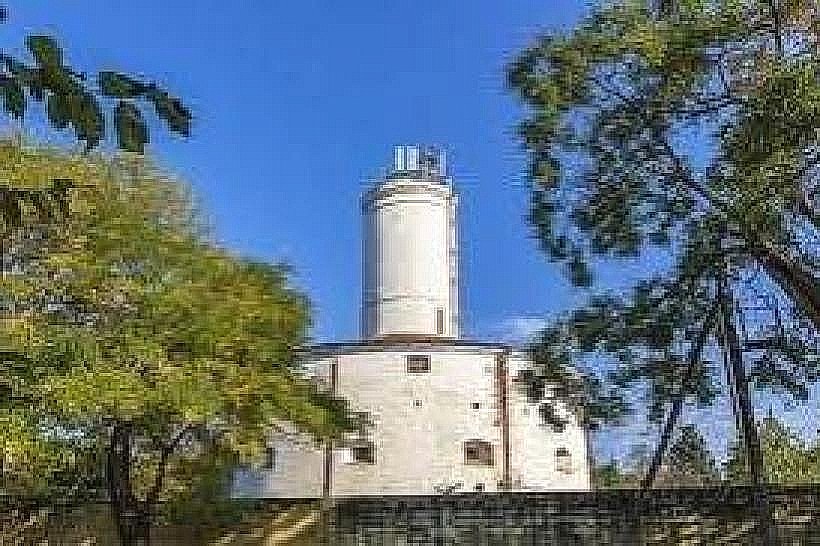
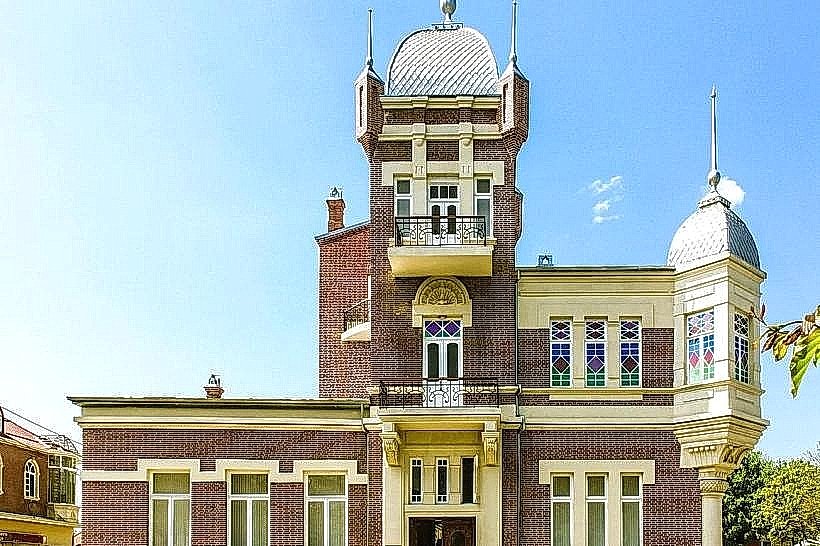
The fortress is constructed primarily from fired brick and river stone. Its walls stand at an average height of 8 meters, with a thickness of approximately 2 meters. The architectural style exhibits elements of medieval Azerbaijani military construction, characterized by robust, functional design rather than ornate decoration. Sections of the outer walls and several bastions remain visible.
Location & Access Logistics
Lankaran Fortress is situated in the central part of Lankaran city, approximately 0.5 km from the main city square. Access is via Heydar Aliyev Street, turning onto a smaller local road leading directly to the site. Limited on-street parking is available near the entrance. Public transport options include local bus routes that stop within a 5-minute walk of the fortress.
Historical & Ecological Origin
Construction of Lankaran Fortress is attributed to the 18th century, with significant reinforcement and expansion occurring during the Russian Empire's control in the 19th century. Its original purpose was to defend the region against potential invasions and control maritime trade routes. The site is situated on a coastal plain, a geological formation typical of the southern Caspian region.
Key Highlights & Activities
Visitors can walk along the remaining sections of the fortress walls. Observation points offer views of the surrounding city and the Caspian Sea. Photography of the brickwork and defensive structures is permitted. No guided tours are currently offered.
Infrastructure & Amenities
Basic restroom facilities are located near the entrance. Limited natural shade is available from existing trees within the fortress grounds. Cell phone signal (4G/5G) is generally strong in this urban area. No food vendors are present directly at the fortress; options are available in the nearby city center.
Best Time to Visit
For optimal lighting conditions for photography, early morning (08:00-10:00) or late afternoon (16:00-18:00) is recommended, particularly during spring and autumn. The months of April-May and September-October offer moderate temperatures. Summer months (June-August) can be hot.
Facts & Legends
A local account suggests that during periods of siege, the fortress defenders would use a network of underground tunnels to access the sea for water and supplies. While the existence of such tunnels is unverified, it reflects the strategic importance of the fortress's coastal location.
Nearby Landmarks
- Lankaran National Park (0.8km Southeast)
- Heydar Aliyev Park (0.6km West)
- Lankaran History Museum (0.7km Northwest)
- Caspian Sea Coastline (0.3km East)