Information
Landmark: Levice CastleCity: Levice
Country: Slovakia
Continent: Europe
Levice Castle, Levice, Slovakia, Europe
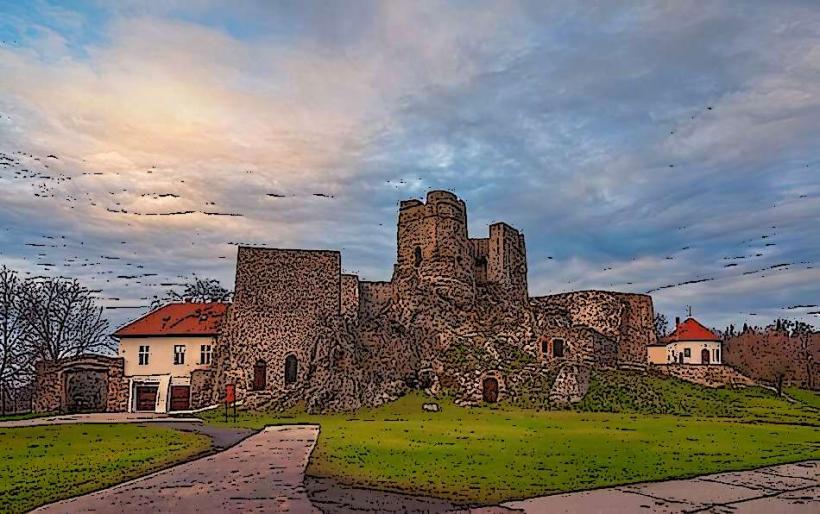
Levice Castle (Levický hrad) is a 13th-century fortification located on a volcanic rock outcrop in the center of the town of Levice, serving as a key historical site and the administrative seat of the Tekov region.
Visual Characteristics
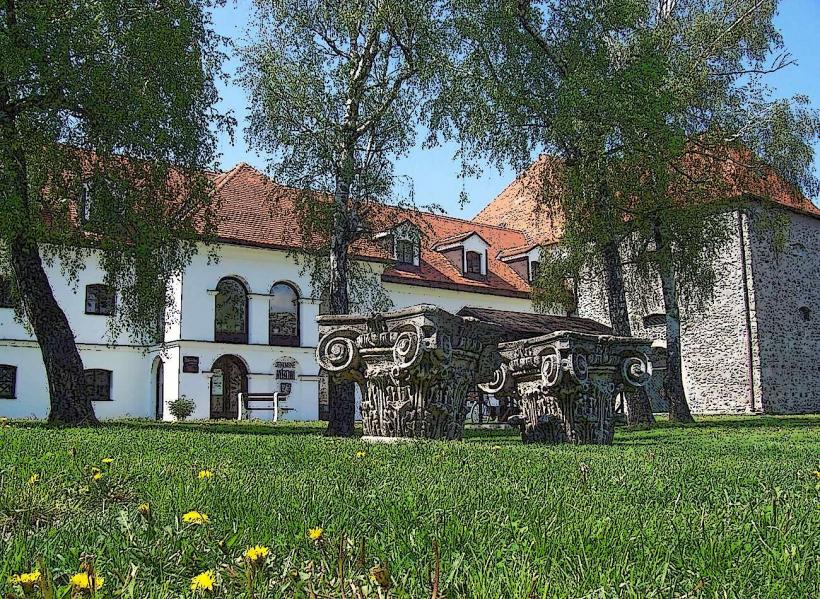
The complex is a combination of ruined upper fortifications and well-preserved lower structures. The Upper Castle exists as skeletal Gothic ruins featuring stone perimeter walls and window portals. In contrast, the Lower Castle consists of restored Renaissance and Baroque buildings, most notably the Dobó Manor House, a whitewashed two-story palace with a central keep. The area is surrounded by a park and a wide, formerly irrigated moat.
Location & Access Logistics
The castle is situated at Sv. Michala 2431/40, directly across from the local hypermarket in the town center. It is easily accessible by car with parking available at the entrance. The "Levice" main railway station is approximately a 15-20 minute walk away. Entry to the castle grounds is generally free, but admission to the museum exhibitions within the manor house requires a ticket (approx. €2-€3).
Historical & Ecological Origin
Built in the second half of the 13th century, the castle was part of a strategic chain of forts protecting access to the wealthy Central Slovak mining towns. It stands on andesite rock, a remnant of Neogene volcanic activity. Its most famous commander was István Dobó, the hero of the Siege of Eger, who fortified the complex in the 16th century against Ottoman advancement. The castle was largely destroyed in 1709 by retreating Kuruc insurgents during the Rákóczi Uprising.
Key Highlights & Activities
Tekov Museum: Housed in the Captain's Building and Dobó Manor House, featuring archaeology, folk costumes, and regional natural history.
The Celtic Treasure: A significant collection of silver tetradrachms and gold coins discovered locally in 1930.
Castle Amphitheater: Located in the southern bastion area, hosting summer festivals and theater performances.
Gothic Tea Room: Located in a preserved circular bastion, offering a romantic atmosphere and panoramic views of the ruins.
Infrastructure & Amenities
The site serves as a cultural hub with staff offices, a concert hall, and conservation workshops. 5G cellular coverage is strong throughout the town center. While the lower courtyard is flat and accessible, the upper ruins are steep and may be challenging for those with limited mobility. Public restrooms are located inside the museum buildings.
Best Time to Visit
The museum typically operates Monday – Friday (09:00 – 16:00) and Sundays (10:00 – 16:00) during the peak season (April–October); Saturday opening varies by month. The "Castle Festival of Levice" in the summer is the most active period. For photography, late afternoon light provides the best contrast between the white Renaissance facades and the dark volcanic stone of the ruins.
Facts & Legends
The White Lady: A local legend tells of a woman executed at the castle who haunts the ruins searching for her family.
The Bloody Well: A castle well purportedly used by the town executioner to wash his sword after public punishments.
Fodor’s Legacy: Levice is the birthplace of Eugene Fodor, the founder of the world-famous Fodor's travel guidebooks.
Nearby Landmarks
Levice Synagogue – 0.2km South
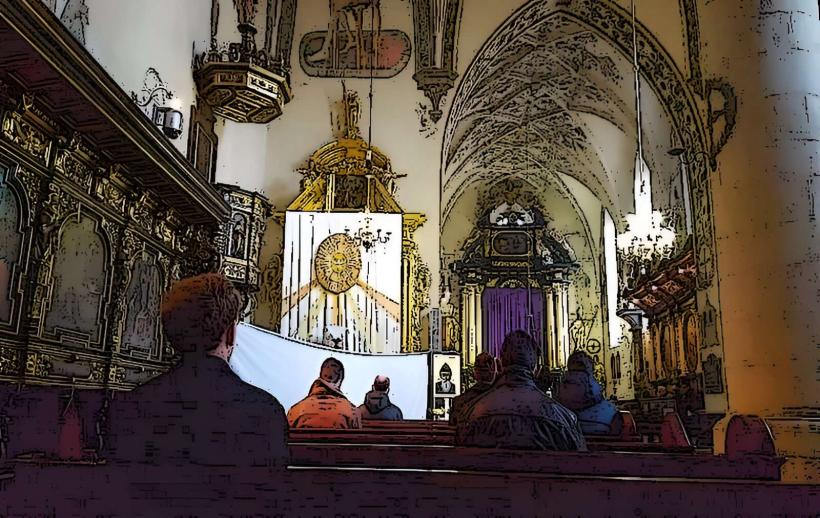
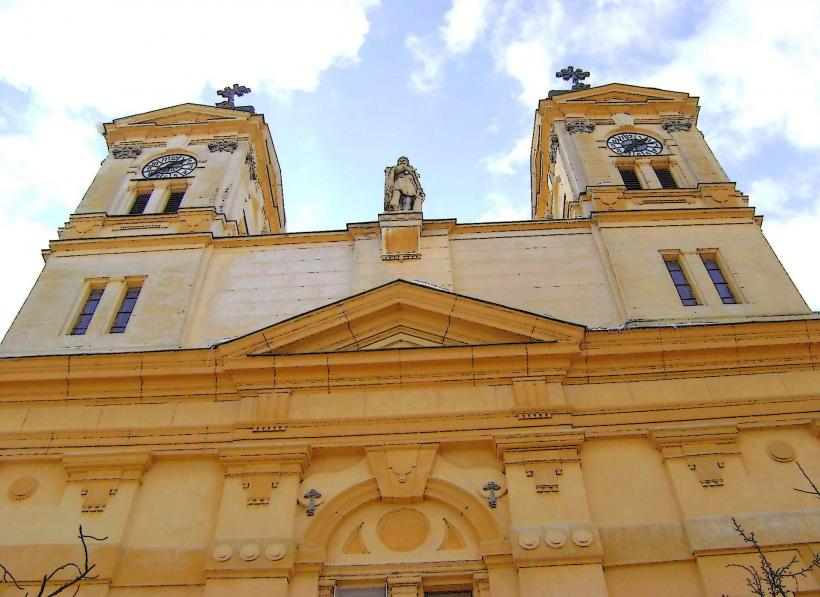
Church of St. Michael the Archangel – 0.3km Southeast
Schoeller’s Mill – 0.4km East
Levice Ponds (Protected Area) – 2.5km Southeast
Tekov Observatory – 1.9km Northeast