Information
Landmark: Liepaja BeachCity: Liepaja
Country: Latvia
Continent: Europe
Liepaja Beach, Liepaja, Latvia, Europe
Visual Characteristics
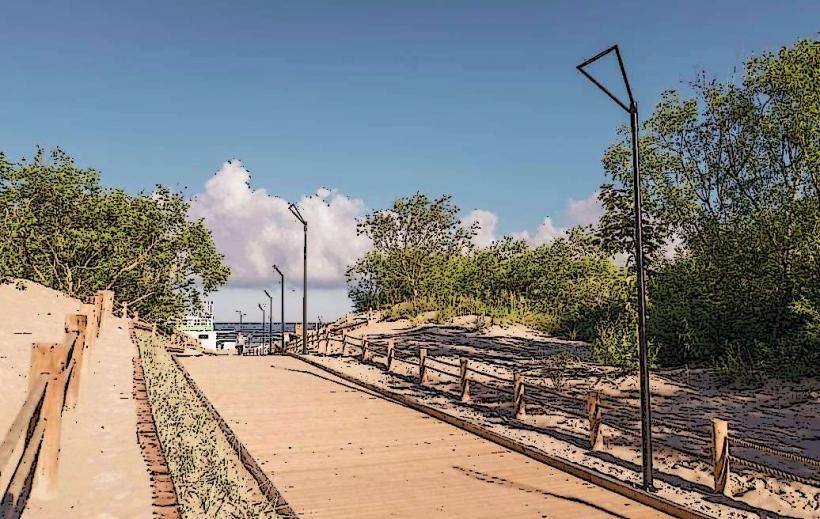
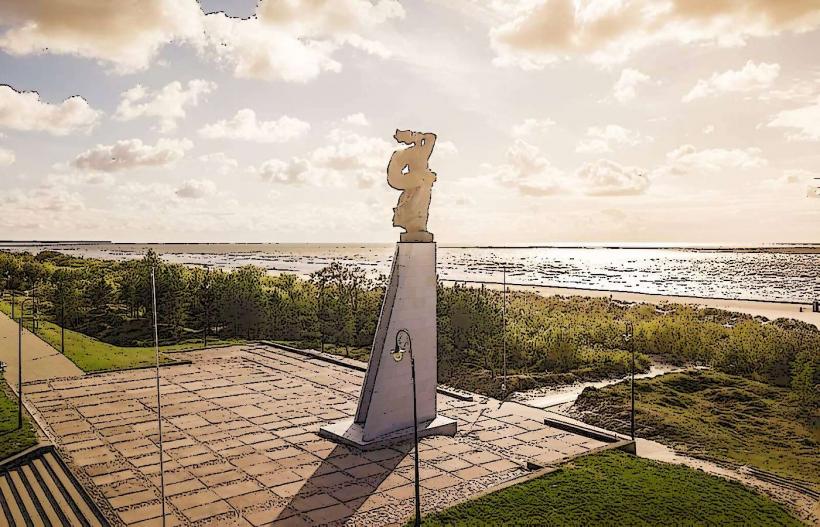
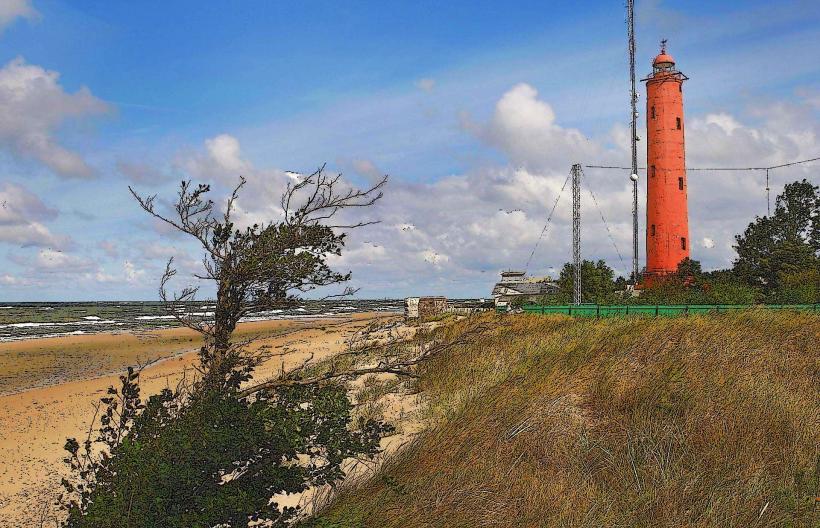
The beach features fine, pale yellow sand. It is wide, particularly in its central sections, backed by a system of dunes stabilized by marram grass and pine trees. The Baltic Sea water here is typically cool and can range from grey-blue to greenish-blue, with occasional seaweed presence.
Location & Access Logistics
Liepaja Beach is situated directly west of Liepaja's city center. Access points are available along Jūrmalas Parks and Kūrmājas prospekts. The main entrance is approximately 1.5 km west of the city's central market. Parking lots are located near the main access points, particularly along Jūrmalas iela and Peldu iela. Public transport includes bus lines 1, 2, and 4, with stops adjacent to Jūrmalas Parks.
Historical & Ecological Origin
Liepaja Beach is a natural formation of the Baltic Sea coastline, characterized by its aeolian sand deposits and dynamic dune system. Its current morphology is a result of post-glacial rebound and prevailing westerly winds shaping the sand over millennia. The dune ecosystem provides a habitat for specialized coastal flora and fauna.
Key Highlights & Activities
Swimming is possible during summer months. Sunbathing areas are extensive. Walking and jogging are common along the shoreline. Beach volleyball courts are available near the central access points. Windsurfing and kitesurfing are practiced, particularly in areas north of the main beach. Children's playgrounds are integrated into the adjacent Jūrmalas Parks.
Infrastructure & Amenities
Public restrooms are located at various points along the main beach promenade, particularly near Jūrmalas Parks. Limited natural shade is provided by the dune vegetation and pine trees; artificial shade structures are minimal. Cell phone signal (4G/5G) is generally strong across the entire beach area. Seasonal food vendors and cafes operate along the promenade during warmer months.
Best Time to Visit
The best months for visiting are June, July, and August for warmer weather and water temperatures. Early mornings or late afternoons provide optimal lighting for photography, particularly for sunsets over the Baltic Sea. No specific high/low tide requirements significantly impact access or activities.
Facts & Legends
A local tradition involves collecting amber pieces that wash ashore after storms, particularly during autumn and winter. The beach is known for its "singing sands" phenomenon, where dry sand emits a faint squeaking sound when walked upon, due to the specific shape and composition of its quartz grains.
Nearby Landmarks
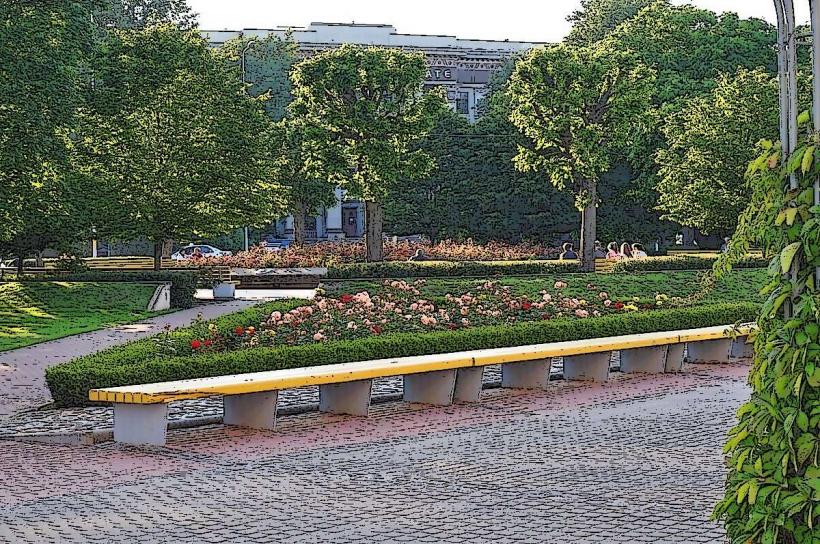
- Jūrmalas Parks: 0.1km East
- Liepaja Museum: 1.0km East
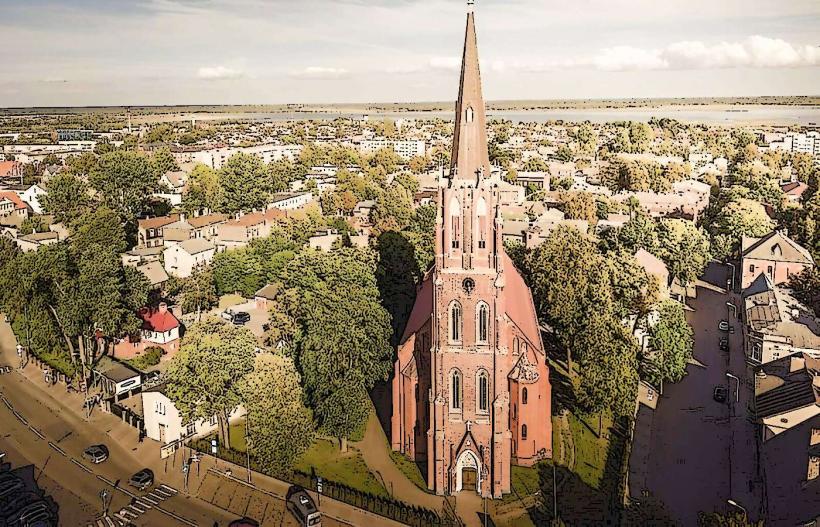
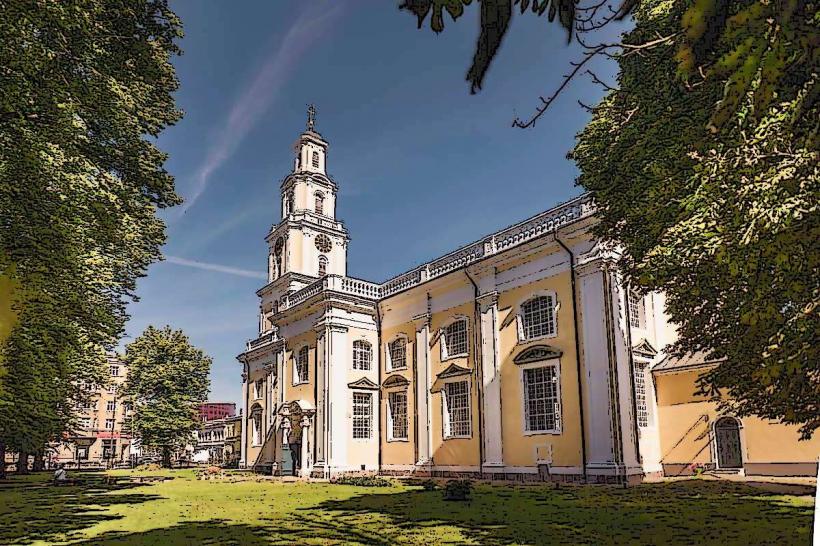
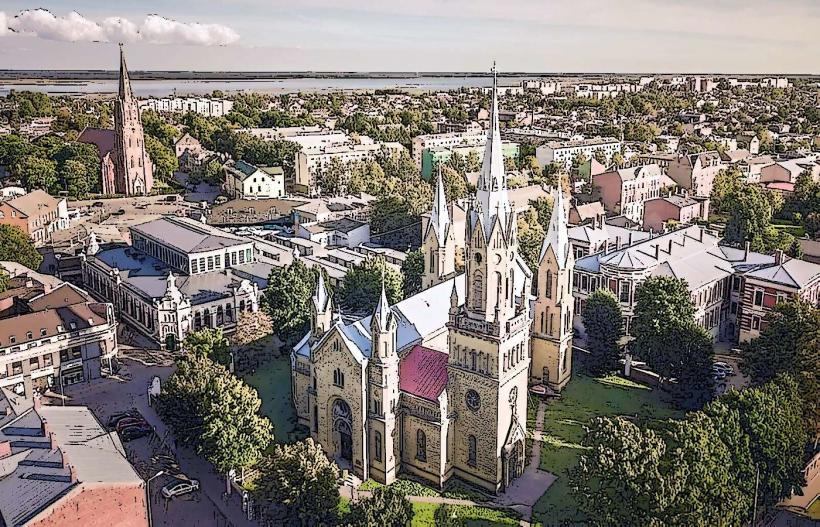
- Holy Trinity Cathedral: 1.5km East-Southeast
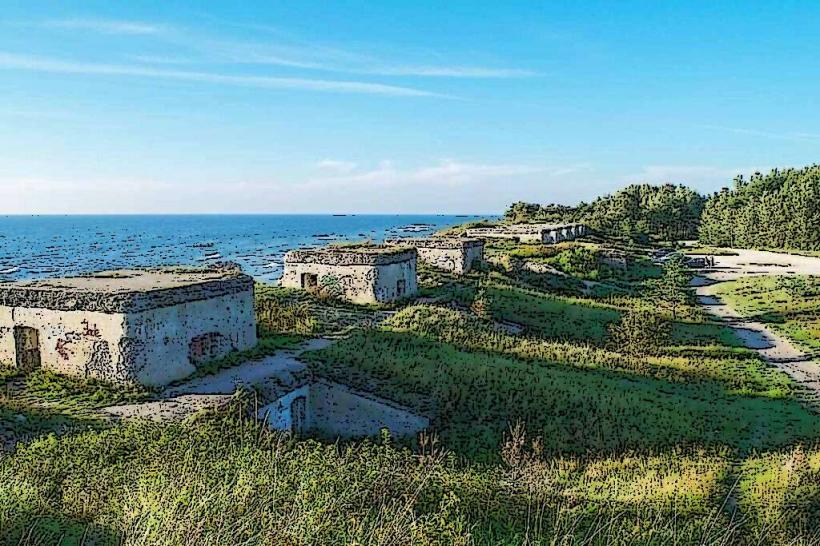
- Northern Forts (Ziemeļu forti): 5.0km North
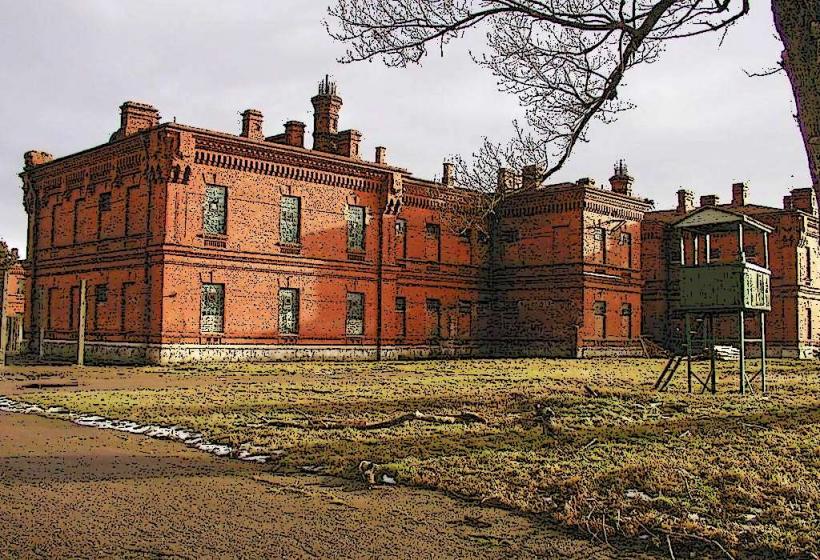
- Karosta Prison: 4.5km North-Northeast