Information
Landmark: Linz's Old TownCity: Linz
Country: Austria
Continent: Europe
Linz's Old Town, Linz, Austria, Europe
Overview
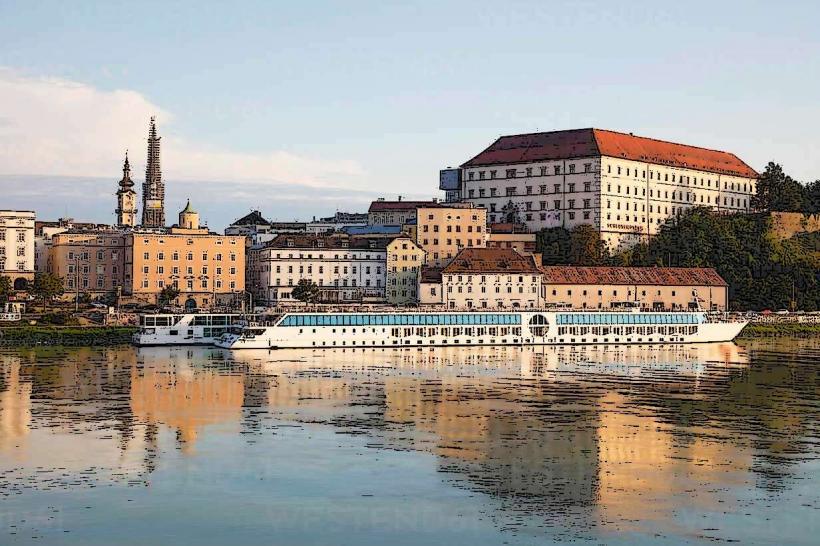
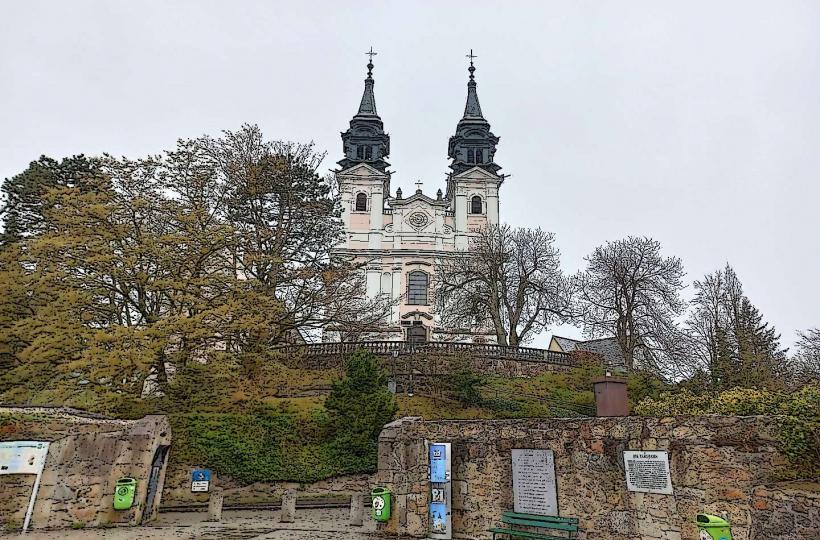
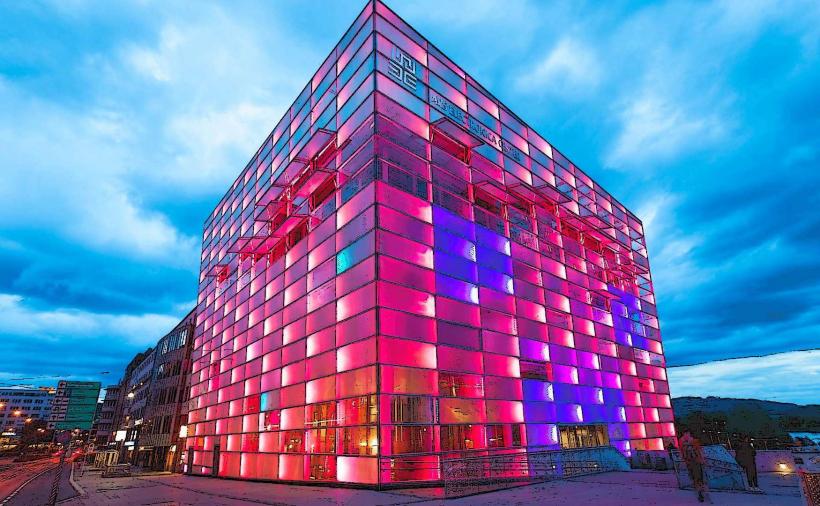
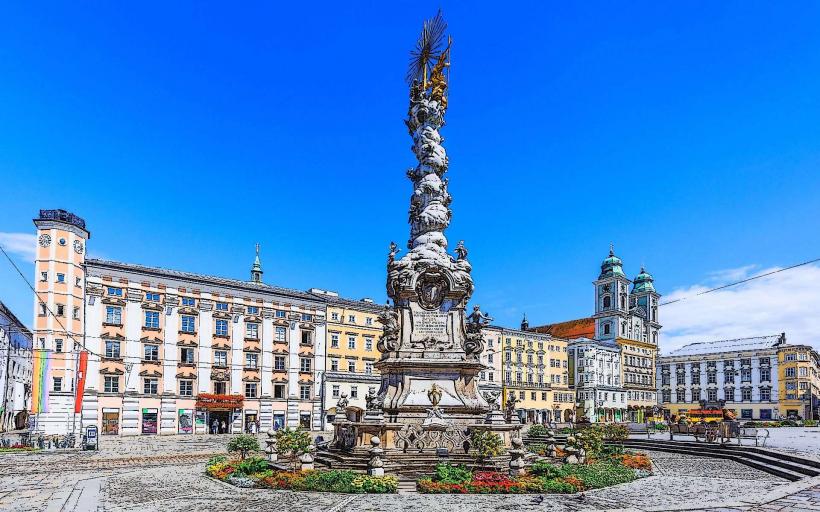
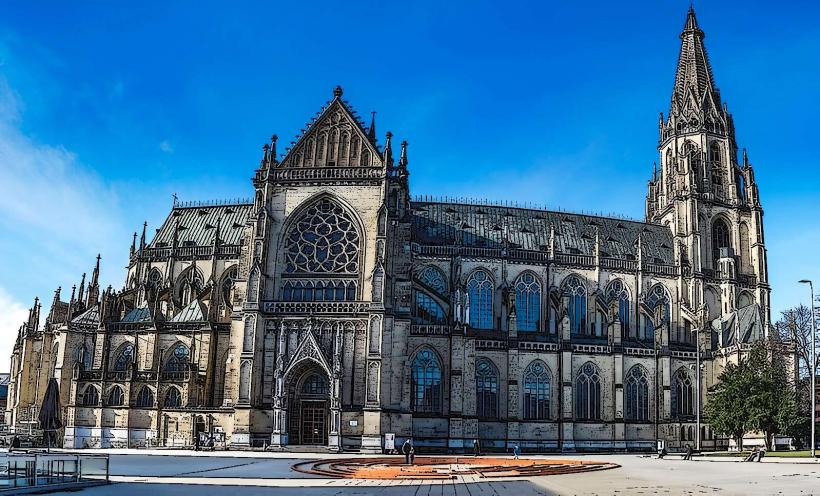
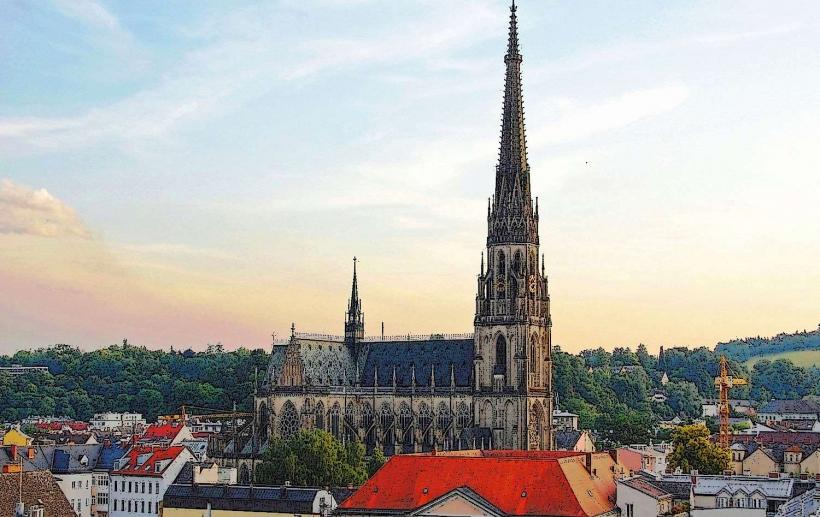
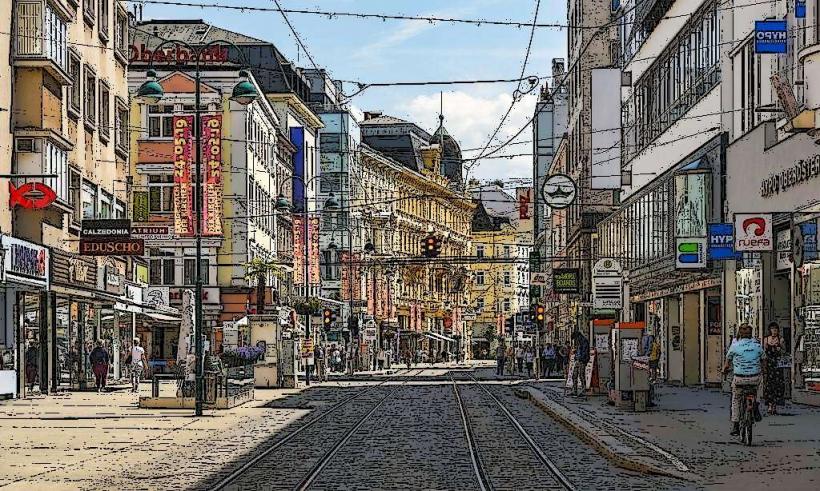
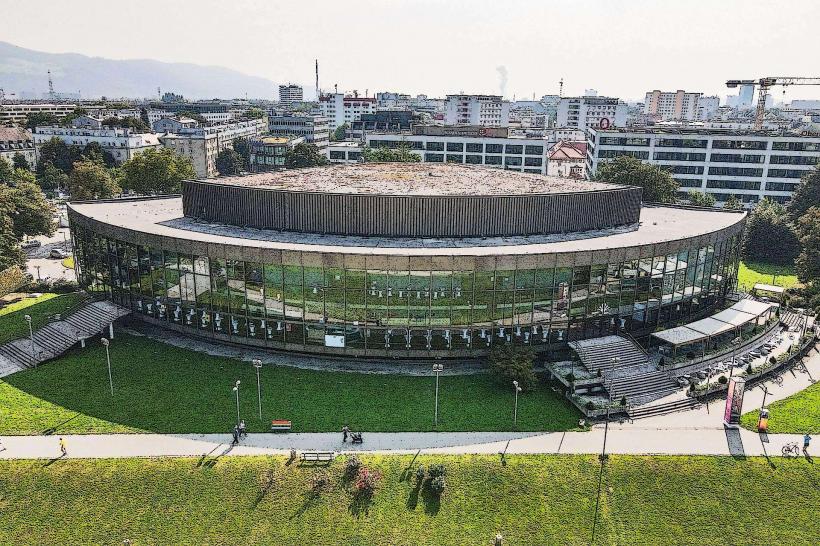
Linz’s historic Town, or Altstadt, sits at the city’s heart, where medieval towers meet baroque facades, sunlit squares open suddenly before you, and cobblestone lanes twist under your feet, moreover this part of Linz is its cultural and historical heart, home to striking landmarks, lively cafés where the aroma of fresh coffee drifts out the door, and renowned cultural venues that draw both visitors and locals.Linz’s classical Town, or Altstadt Linz, sits right in the city’s heart, where narrow cobblestone lanes open toward the wide, unhurried-moving Danube, likewise modern neighborhoods wrap around it, yet the antique Town still hums with a warm, historic charm.For centuries-since the medieval era-it’s been the city’s heart, where markets bustled, decisions were made, and culture thrived, and over the centuries, its architecture has transformed-from sturdy medieval stone walls to the graceful arches of the Renaissance and the ornate flourishes of the Baroque.Key landmarks and attractions await, meanwhile hauptplatz, the heart of Linz’s classical Town, stretches wide and open, making it one of the largest public squares in Austria.From what I can see, It’s the heart of the city’s social life, framed by classical stone buildings, bustling cafés, and little shops with luminous window displays, then key features include the Pestsäule, a baroque column rising from the square’s center, built in the 17th century to mark the plague’s end, and the Rathaus, a grand timeworn town hall that now holds the city’s administrative offices.The square blends medieval and Renaissance designs, its rows of brightly painted facades glowing in shades of ochre and deep blue, while above the aged Town, Linz Castle crowns the hill with sweeping views of the city and the Danube, along with the castle, first built in the medieval era, has grown and changed over the centuries, its stone walls patched and towers added as time passed.Today, it’s home to the Linz Castle Museum, where you can wander past centuries-historic maps of the city and catch rotating art shows, besides the Linz Castle Museum ranks among the region’s most necessary historical sites, housing everything from local history and fine art to rows of gleaming medieval swords, and its terrace opens onto a sweeping view of Linz-the heritage Town’s rooftops, the river winding below, and green hills beyond.St, alternatively mary’s Cathedral, or the novel Cathedral, holds the title of Austria’s largest church by volume.It may be younger than many vintage Town landmarks, but its sharp spires and shadowy stone make it a stunning Gothic Revival masterpiece and one of Linz’s most recognizable symbols, equally important the cathedral’s soaring spire catches the light and can be seen from streets all over the city, while its stained-glass windows glow in deep reds and blues, in a sense Step inside and you’ll find ornate altars, vivid frescoes, and finely carved sculptures, and just a few minutes’ hike from Hauptplatz, it stands at the heart of the vintage Town.The Alter Dom, Linz’s oldest church, has stood here since the early 1700s, moreover with its sweeping Baroque curves and a gilded altar that glows in the afternoon light, it stands among the city’s most treasured religious landmarks.You’ll find it just a short roam from Hauptplatz, and it’s well worth a stop if you love art and architecture-imagine intricate stone carvings catching the afternoon light, not only that the church showcases graceful Baroque design, with a soaring altar framed by intricate gold trim, and it’s famed for organ concerts played on one of Austria’s most celebrated instruments.Just beyond, the Landstrasse winds through the antique Town as Linz’s bustling main shopping street, simultaneously shops, boutiques, cafés, and restaurants line the street, their shining signs and warm aromas turning it into a lively hub.Along the street, ornate brick facades stand beside sleek glass storefronts, giving visitors a taste of historic-world charm and the buzz of modern shopping, consequently landstrasse is the timeworn Town’s main shopping street, lined with boutiques, fashion shops, and souvenir stalls where you might catch the scent of fresh pastries drifting from nearby cafés.Many of Linz’s finest places to dine or grab coffee sit along this stretch, serving rich Austrian dishes and sweet local treats, on top of that just a short meander away, the Brucknerhaus concert hall-named for composer Anton Bruckner, who was born here-hosts major cultural events beside the antique Town, fairly Not surprisingly, The venue stages classical concerts, opera, and a variety of cultural events, from string quartets echoing through its hall to lively community festivals, what’s more the Brucknerhaus concert hall, famed for its crystal-clear acoustics, draws orchestras, opera companies, and music lovers alike.Named for 19th-century composer Anton Bruckner, whose life and work are closely tied to Linz, it stands as a cultural landmark, subsequently just steps away, Linz’s historic Town brims with cobblestone streets and centuries of history, under certain circumstances As far as I can tell, From cobbled medieval lanes to sunlit Baroque squares, the area carries the city’s traditions in every stone, alternatively in the antique Town, weathered stone facades and centuries-antique spires reveal the city’s deep roots as a cultural, commercial, and religious hub in Austria.Near the ancient Town, the Lentos Art Museum displays bold contemporary works, while smaller galleries and cultural spots add their own colors to Linz’s lively art scene, besides the Linz Castle Museum opens a window to the city’s medieval past, and the timeworn Cathedral holds Baroque treasures, from gilded altars to intricate frescoes, in some ways Wandering the antique Town, you can trace centuries of change: medieval walls and the castle’s stone towers, the grand Baroque facades of the Hauptplatz and the Alter Dom, and modern landmarks like the Lentos and the Brucknerhaus that signal Linz’s ongoing role in art, music, and culture, and best of all, the ancient Town is compact-you can stroll from one highlight to the next in minutes.Public transport links are excellent-you can hop on a tram or bus and be there in minutes, in turn most historic Town landmarks, from quiet churches to bustling museums, keep regular visiting hours.Some places keep different hours or shut their doors on certain holidays, consequently you can join a walking tour through the cobbled streets of the ancient Town, where expert guides share its history and meaning.Somehow, In the end, Linz’s vintage Town blends history, art, and culture into one captivating whole, at the same time you might wander down cobbled medieval lanes, glance up at ornate Baroque facades, step into a quiet museum, or pause to soak in the bustle of the Hauptplatz-and the vintage Town still has more to offer.It blends historical landmarks with a charm you can almost feel in the worn stone under your hand.
Author: Tourist Landmarks
Date: 2025-08-28