Information
Country: AustriaContinent: Europe
Austria, Europe
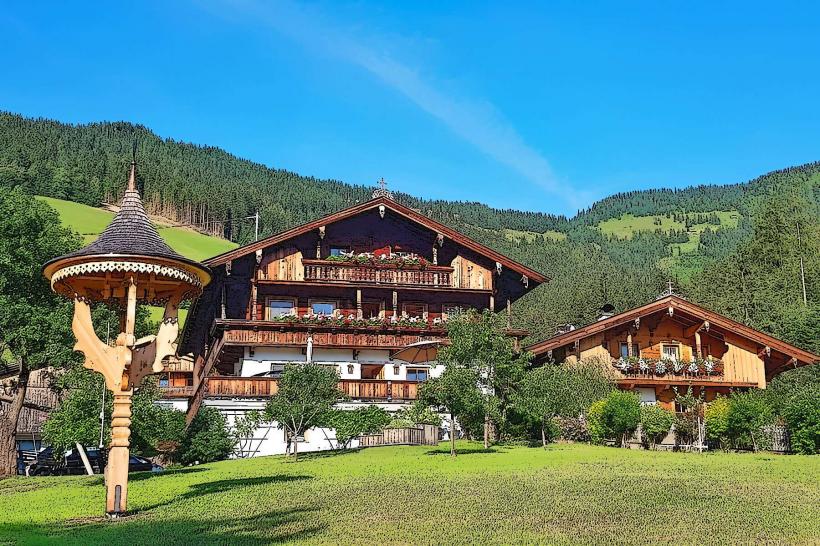
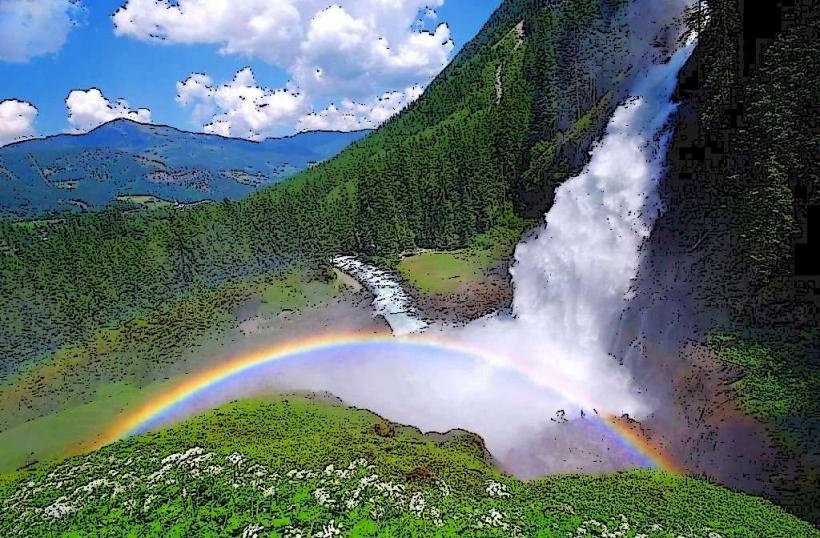
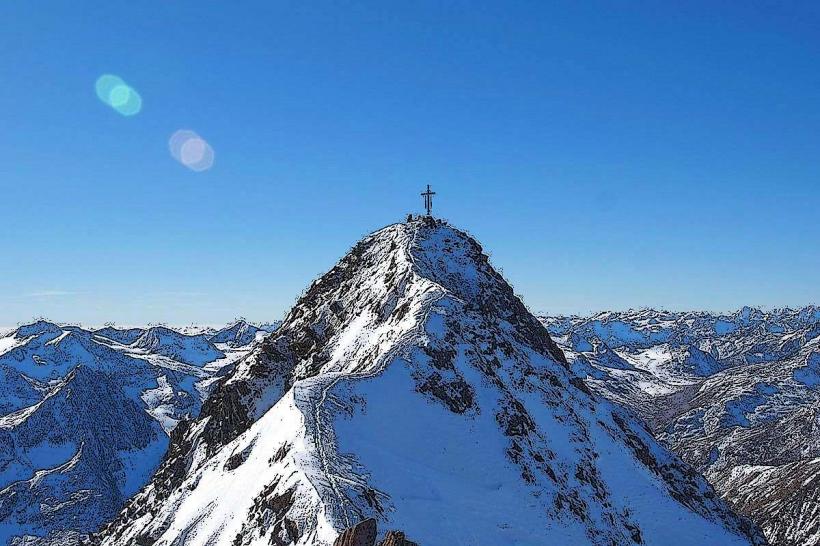
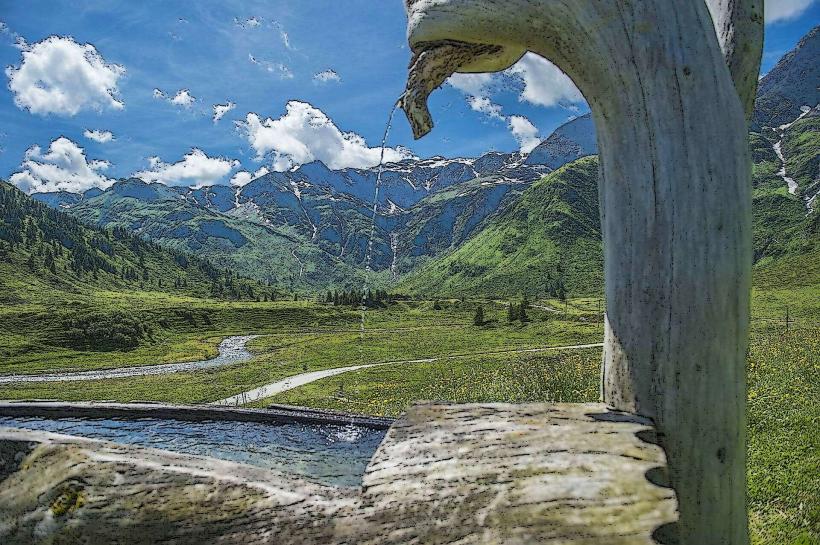
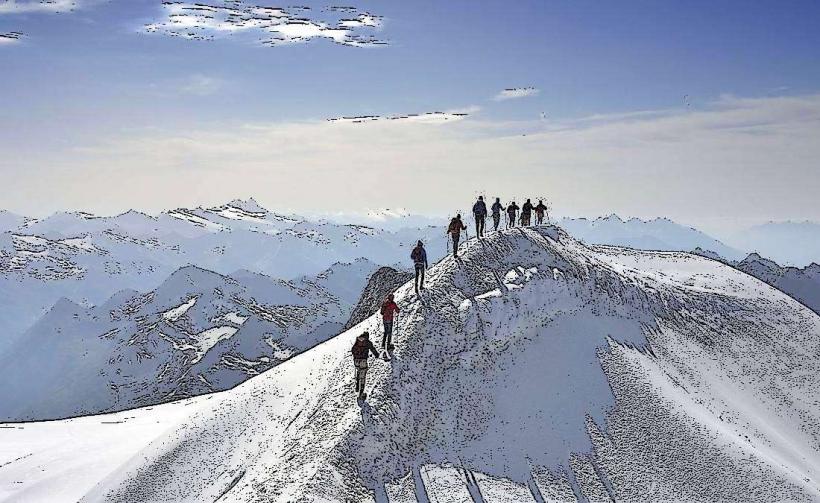
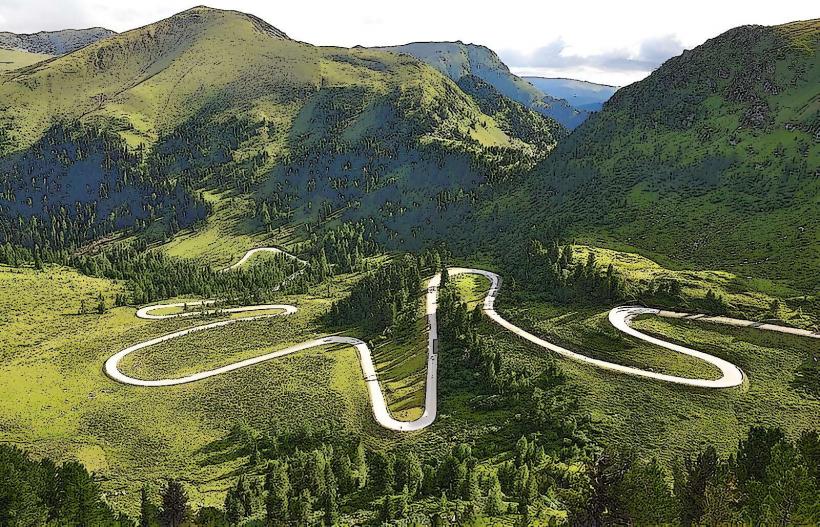
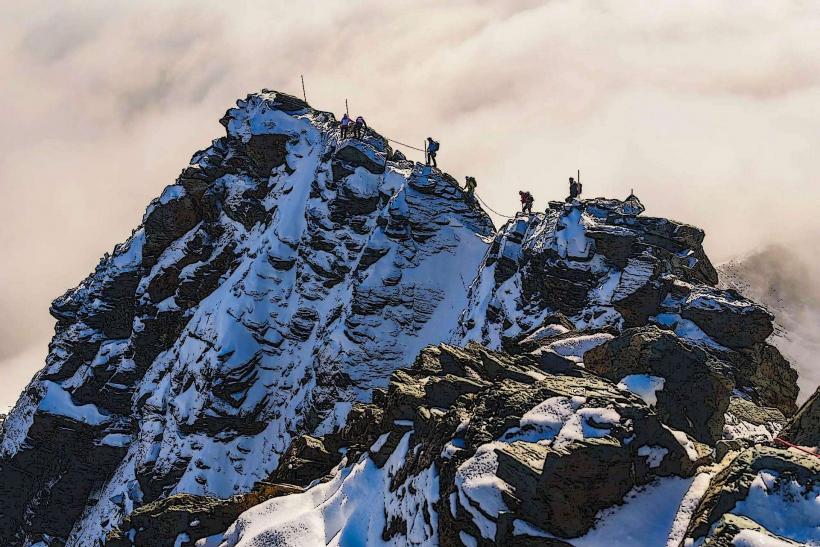
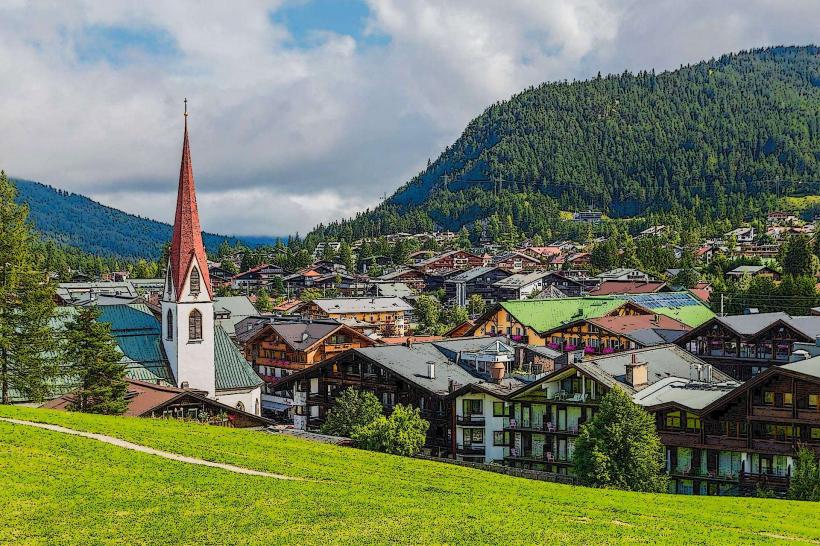
Austria is located in Central Europe, bordering Germany and the Czech Republic to the north, Slovakia and Hungary to the east, Slovenia and Italy to the south, and Switzerland and Liechtenstein to the west. The country is defined by the Alpine mountain range, which covers 62% of its territory, and its position as a major European transit and hydroelectric power hub; the capital city is Vienna.
Visa & Entry Policy
Austria is a member of the Schengen Area. Citizens of the US, UK, and EU do not require a visa for stays up to 90 days. Starting in late 2026, non-EU visa-exempt travelers must obtain an ETIAS (European Travel Information and Authorisation System) prior to arrival. Passports must be valid for at least three months beyond the intended departure date.
Language & Communication
The official language is German. English proficiency is high, particularly in urban centers and among the youth, though it decreases in rural Alpine valleys. Local dialects, primarily Austro-Bavarian and Alemannic (in Vorarlberg), are dominant in daily spoken communication.
Currency & Payment Systems
The currency is the Euro (EUR). Austria maintains a strong cash culture; while cards are accepted in major retailers and tourist areas, many small cafes, mountain huts, and traditional "Heuriger" wine taverns operate on a cash-only basis. ATMs (Bankomat) are widely available.
National Transport Grid
Intercity travel is managed by the ÖBB (Austrian Federal Railways), featuring the Railjet high-speed service. The Westbahn provides a private rail alternative on the Salzburg-Vienna route. Postbus services extend connectivity to remote Alpine villages. Domestic flights are rare due to the country's compact size and efficient rail links.
Digital Infrastructure
Primary mobile network providers are A1, Magenta Telekom, and Drei (Hutchison). 5G coverage is extensive in Vienna and provincial capitals. 4G coverage is robust across the country, though topographical shielding causes signal loss in deep Alpine valleys and high-altitude terrain.
Climate & Seasonality
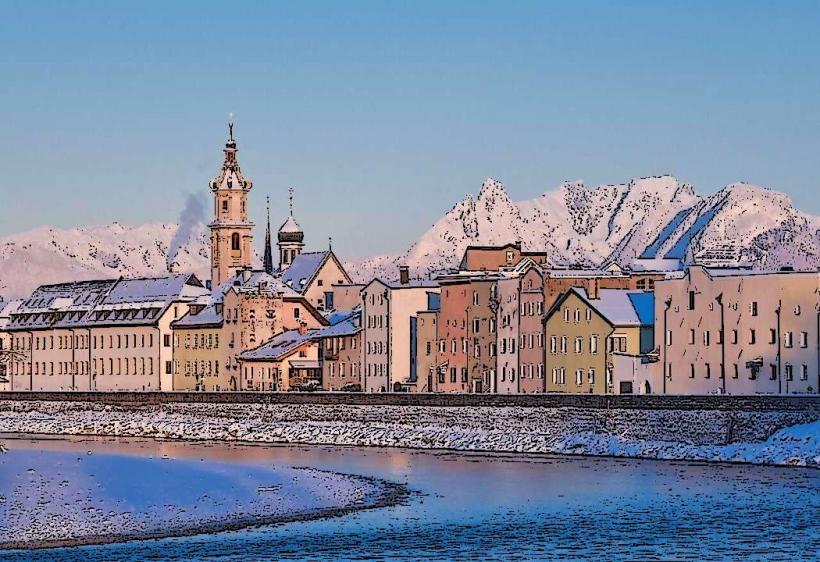
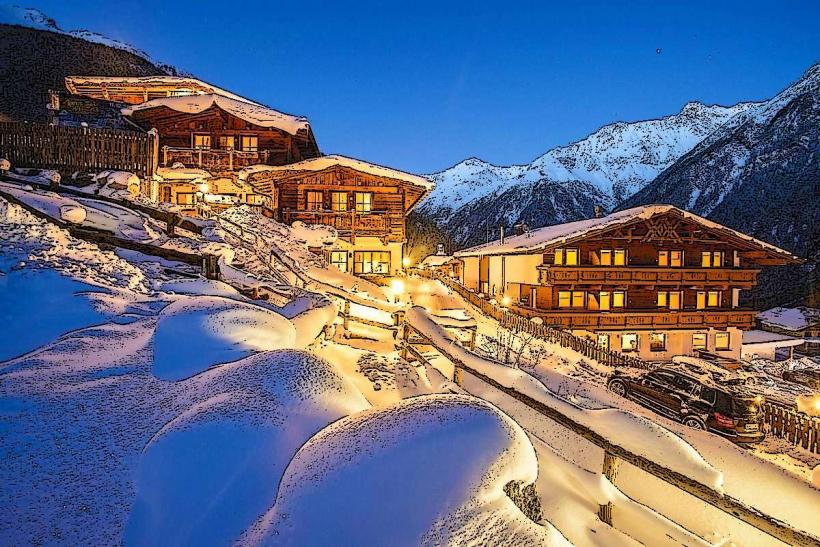
Austria has a temperate continental climate. The west is Alpine with high precipitation and long winters, while the east (Pannonian Plain) is drier and warmer. The wettest months are typically June through August due to heavy summer thunderstorms. Winter snow cover is reliable from December to March in the mountains.
Health & Safety
No mandatory vaccinations are required. Tick-borne encephalitis is a significant risk in forested areas and river valleys during spring and summer; vaccination is recommended for hikers. Emergency numbers are 133 (Police), 144 (Ambulance), and 122 (Fire). 112 is the universal European emergency number.
Top 3 Major Regions & Cities
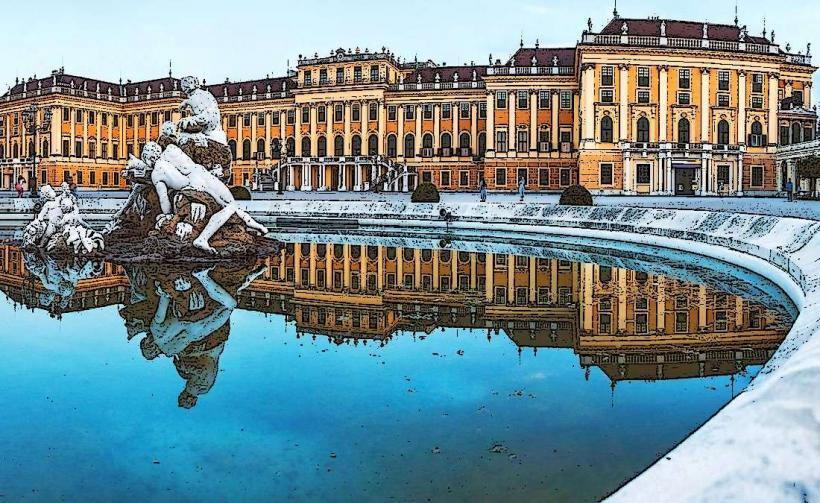
Vienna & Lower Austria: Primary hub is Vienna.
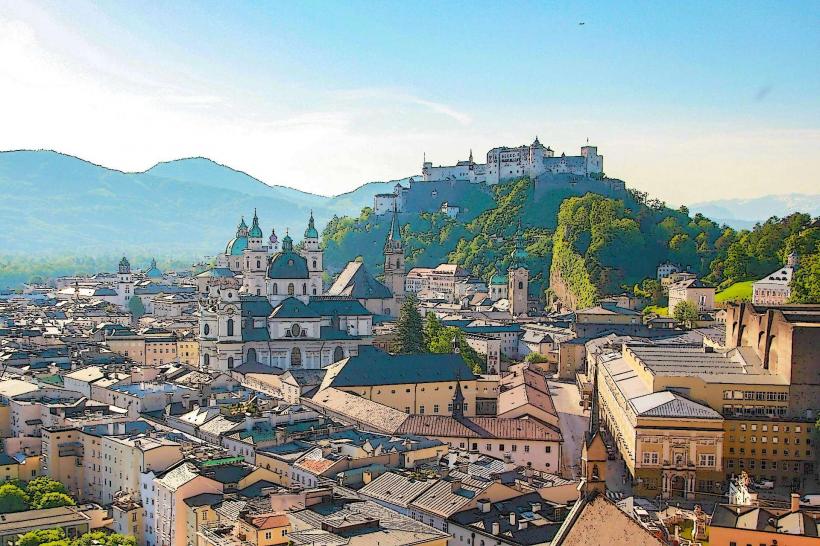
Salzburg & The Lake District: Primary hub is Salzburg.
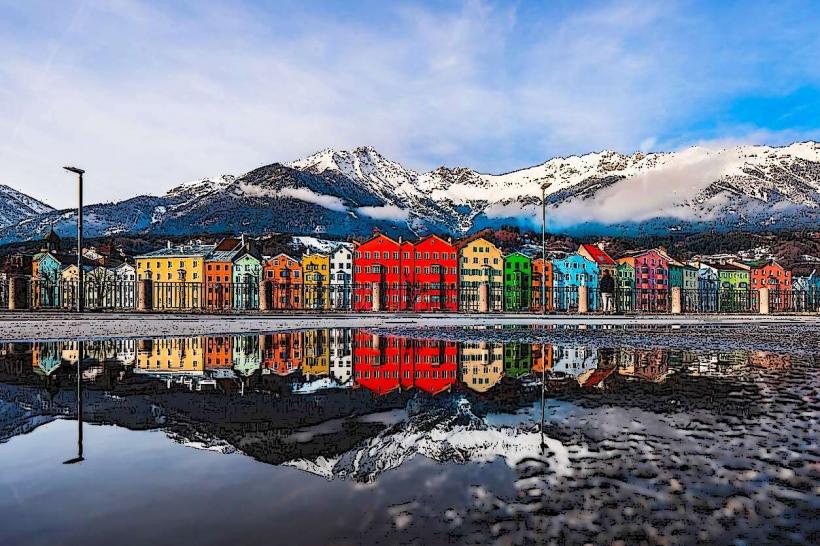
The Austrian Alps (Tyrol): Primary hub is Innsbruck.
Local Cost Index
1L Water: €1.20 ($1.32 USD)
1 Domestic Beer: €4.50 ($4.95 USD)
1 Sim Card (Data Plan): €15.00 ($16.50 USD)
Facts & Legends
Austria is the birthplace of the modern "Lippizaner" stallion, bred specifically for the Spanish Riding School in Vienna. According to regional legend, the "Krampus"-a horned, anthropomorphic figure-accompanies Saint Nicholas during the Feast of St. Nicholas to punish children who have misbehaved, a tradition still observed with public parades (Krampuslauf) every December.