Information
Landmark: Grossglockner PeakCity: Innsbruck
Country: Austria
Continent: Europe
Grossglockner Peak, Innsbruck, Austria, Europe
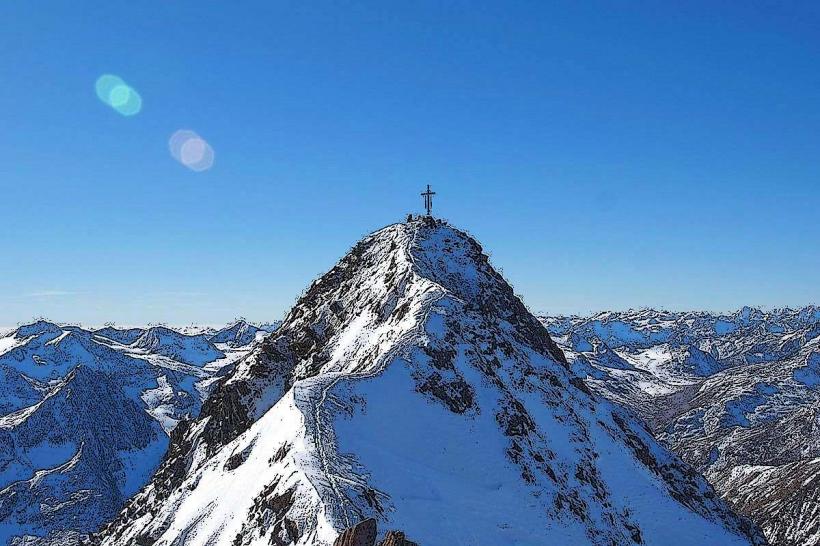
Grossglockner Peak is the highest mountain in Austria, standing at an impressive 3,798 meters (12,461 feet) above sea level. It is located in the Hohe Tauern National Park, which spans across the Austrian states of Carinthia and Salzburg. Grossglockner is one of the most iconic and challenging peaks in the Alps and is a popular destination for mountaineers, hikers, and nature enthusiasts. Its imposing summit, glaciated slopes, and surrounding landscapes make it a must-see for those exploring Austria’s alpine beauty.
Overview of Grossglockner Peak
- Elevation: 3,798 meters (12,461 feet).
- Location: It is situated in the Hohe Tauern mountain range in the Austrian Alps, straddling the boundary between Carinthia and Salzburg.
- First Ascent: The peak was first summited on July 28, 1800, by Johann Reiss and his team, who made the ascent via the South-West Ridge. Since then, Grossglockner has become one of the most sought-after climbs in the Alps.
- Name: The mountain's name, "Grossglockner," translates to "Great Bell" in German, likely referring to the bell-like shape of the peak when seen from certain angles.
Geography and Features
- Glaciers: Grossglockner is home to several large glaciers, most notably the Pasterze Glacier, the largest glacier in Austria. The glacier flows down the northern face of the mountain and is a major feature of the area. The glacier has receded significantly over the past century due to climate change but remains an impressive sight.
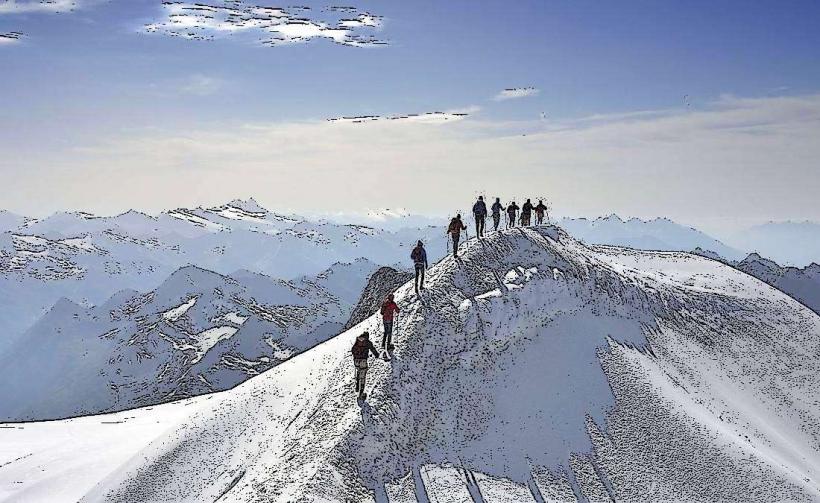
- Ridges and Faces: Grossglockner has steep, rocky ridges, and its summit is often covered in snow and ice, making the ascent challenging. The South-West Ridge is the most commonly used route for climbers, but there are various other routes that require technical mountaineering skills.
- Surrounding Peaks: The peak is surrounded by other notable mountains, including Kleinglockner (3,770 meters), which lies directly to the south of Grossglockner, and Pizzo di Vetta (3,770 meters), which is located to the north.
Climbing Grossglockner
- Mountaineering Routes: The most popular climbing route to the summit is via the South-West Ridge, which is a non-technical but strenuous climb requiring basic mountaineering skills such as glacier travel and rope techniques. The ascent typically takes two days, with climbers staying at the Hochalpenhaus or the Glocknerhaus hut at around 2,800 meters as a base.
- The climb involves a combination of rock climbing, glacier travel, and snow and ice climbing. More experienced climbers can tackle more technical routes on the north and east faces, which are far more challenging.
- Dangers: Due to the mountain's elevation and glaciated terrain, Grossglockner is not an easy climb and presents several hazards, including rockfall, avalanches, crevasses, and altitude sickness. Climbers must be well-prepared, with proper gear and knowledge of alpine techniques.
Hiking and Access to the Mountain
- For non-climbers and hikers, there are several hiking routes around the base of Grossglockner that offer stunning views of the mountain and the surrounding glaciers. Some popular hiking areas include:
- Pasterze Glacier: You can hike to the glacier from the Fuscher Törl (a pass at 2,428 meters) or take the Grossglockner High Alpine Road, which provides access to various viewpoints.
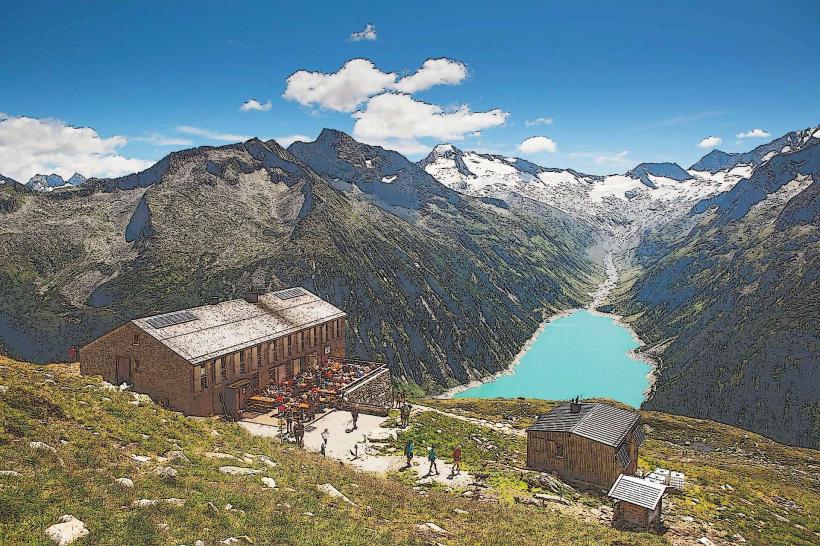
- Glocknerhaus: The Glocknerhaus is a mountain hut located at around 2,130 meters. It offers both a base for climbing expeditions and scenic hiking routes that provide beautiful views of the Grossglockner.
Grossglockner High Alpine Road
- Grossglockner High Alpine Road is one of Austria's most scenic and famous drives. It stretches for 48 kilometers (30 miles) through the Hohe Tauern National Park, providing stunning views of Grossglockner and the surrounding landscape.
- The road is open seasonally, typically from May to October, due to snow and weather conditions in the higher elevations.
- Along the road, there are several viewpoints and observation points, such as Fuscher Törl, where visitors can take in close-up views of the Grossglockner and the Pasterze Glacier.
- The Edelweissspitze viewpoint (at 2,571 meters) offers one of the most panoramic views of Grossglockner and is accessible by car.
The Pasterze Glacier
- The Pasterze Glacier is one of the key attractions at Grossglockner. It is the largest glacier in Austria and one of the most prominent glaciers in the Alps. The glacier has been in rapid retreat in recent decades, with scientists monitoring its reduction due to climate change.
- Visitors can hike along the glacier or take guided tours to better understand the region's glaciology and how glaciers have shaped the surrounding landscape.
Wildlife and Flora
- The Hohe Tauern National Park is home to a rich diversity of flora and fauna. At lower elevations, the mountain is covered with lush forests, while higher up, you’ll find alpine meadows filled with wildflowers, including gentian and edelweiss.
- The park is home to wildlife such as ibex, chamois, red deer, golden eagles, snow grouse, and marmots, which can be spotted in the vicinity of Grossglockner.
Grossglockner and the Hohe Tauern National Park
- Hohe Tauern National Park: This protected area encompasses the Grossglockner and its surrounding region. It is Austria’s largest national park and an important conservation area for biodiversity. The park is an excellent destination for those interested in nature and wildlife, offering a range of outdoor activities, such as hiking, birdwatching, and educational programs.
- Visitor Centers: The park has several visitor centers, including the Glocknerhaus and the Fuscher Törl, where visitors can learn more about the history, geology, and wildlife of the area.
Climate and Weather
- The climate at Grossglockner can be harsh, especially at higher altitudes, with temperatures plummeting even in summer. Winter conditions can persist throughout the year on the higher slopes, with the summit often covered in snow.
- The best time for hiking and climbing is late spring to early autumn (May to September), when the weather is more stable, and the Grossglockner High Alpine Road is open. However, mountaineers may attempt the climb year-round, provided they are well-prepared for the weather and technical conditions.
Nearby Attractions
- Kals am Großglockner: This village, located at the foot of Grossglockner, serves as a base for climbing expeditions and offers several hiking routes and picturesque alpine views.
- Heiligenblut: A charming village located on the southern side of the Grossglockner, Heiligenblut is known for its beautiful church and as a base for climbing the mountain.
- Mölltal Glacier: Located nearby, the Mölltal Glacier offers year-round skiing and snowboarding.
Conclusion
Grossglockner Peak is a must-see for anyone visiting Austria’s Alpine regions. Its dramatic size and natural beauty make it one of the most impressive mountains in the Alps, offering both challenging climbs for experienced mountaineers and stunning vistas for casual visitors. Whether you are summiting the peak, hiking around its base, or simply enjoying the views from the Grossglockner High Alpine Road, it is a place that captivates nature lovers, adventurers, and photographers alike.