Information
Landmark: Tyrolean Provincial MuseumCity: Innsbruck
Country: Austria
Continent: Europe
Tyrolean Provincial Museum, Innsbruck, Austria, Europe
The Tyrolean Provincial Museum (Tiroler Landesmuseen) is a network of five distinct museums in Innsbruck, Austria, dedicated to the region's cultural, artistic, and natural history. The primary site is the Ferdinandeum.
Visual Characteristics
The Ferdinandeum (the main building) is a Neo-Renaissance structure featuring an ornate stone facade and high-ceilinged galleries. The Folk Art Museum is housed in a former Franciscan monastery with an adjacent Gothic cloister. The Zeughaus (Arsenal) is a late-Gothic former armory with a large internal courtyard and massive timber-beamed ceilings. The Tirol Panorama is a modern, circular pavilion designed to house a 1,000-square-meter 360-degree painting.
Location & Access Logistics
Ferdinandeum: Museumstraße 15. Near the central train station.
Folk Art Museum: Universitätsstraße 2. Adjacent to the Hofkirche.
Zeughaus: Zeughausgasse 1. Located in the Dreiheiligen district.
Tirol Panorama: Bergisel 1-2. Situated on the southern hill overlooking the city.
Access: Most city-center sites are reachable via Tram lines 1 and 3. The Tirol Panorama is accessible via Tram line 1 (Bergisel stop).
Historical & Ecological Origin
The museum association was founded in 1823 as the "Ferdinandeum" in honor of Crown Prince Ferdinand. The collection grew to encompass multiple sites as the scope of Tyrolean preservation expanded. Geologically, the museums document the formation of the Alps and the extraction of local resources like silver and copper that funded the region's historical growth.
Key Highlights & Activities
Ferdinandeum: Houses the world's most significant collection of Tyrolean Gothic art and works by Dutch masters (Rembrandt, Bruegel).
Tirol Panorama: Features the "Giant Panoramic Painting," depicting the 1809 Tyrolean battles for independence.
Folk Art Museum: Contains an extensive collection of traditional Tyrolean farmhouse parlors (Stuben) and carnival masks.
Zeughaus: Traces Tyrolean history from the Bronze Age to the modern era through technical and military artifacts.
Infrastructure & Amenities
The museums offer a combined "Combi-Ticket" for access to all sites. 5G cellular coverage is excellent at all urban locations. Most sites feature elevators and ramps for wheelchair accessibility; however, some sections of the historic Zeughaus and Folk Art Museum involve uneven stone floors. Gift shops and public restrooms are available at all locations.
Best Time to Visit
To view the Tirol Panorama, a clear day is recommended to enjoy the outdoor views of the Nordkette mountains from the Bergisel hill. Weekday mornings (09:00–11:00) generally offer lower visitor density. The museums are closed on various days; specifically, the Zeughaus is closed on Mondays, and the Tirol Panorama is closed on Tuesdays.
Facts & Legends
A historical oddity is the "Kaiserjägermuseum" (Imperial Infantry Museum), which is connected to the Tirol Panorama via an underground corridor. It houses the world's largest collection of military medals. Legend states that the artifacts in the Folk Art Museum's "Stuben" were transported and reassembled piece by piece from remote Alpine valleys to preserve vanishing mountain cultures.
Nearby Landmarks
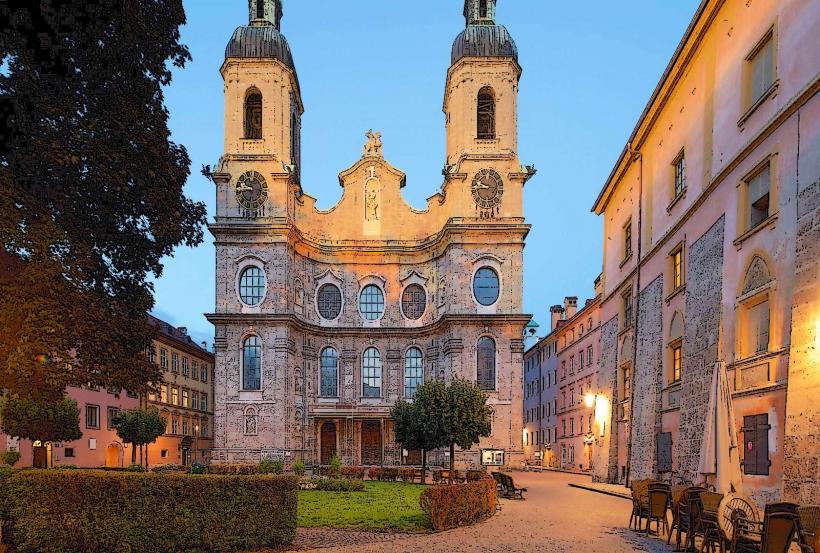
Innsbruck Cathedral – 0.4km West (Ferdinandeum)
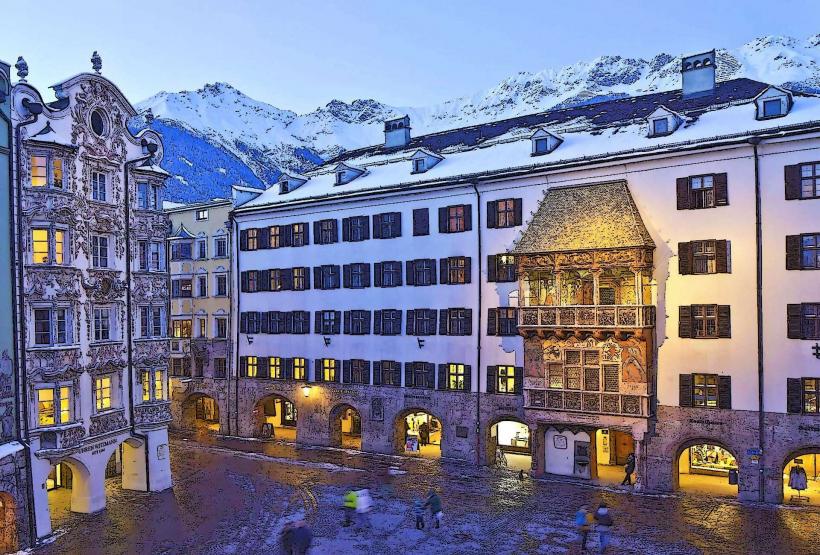
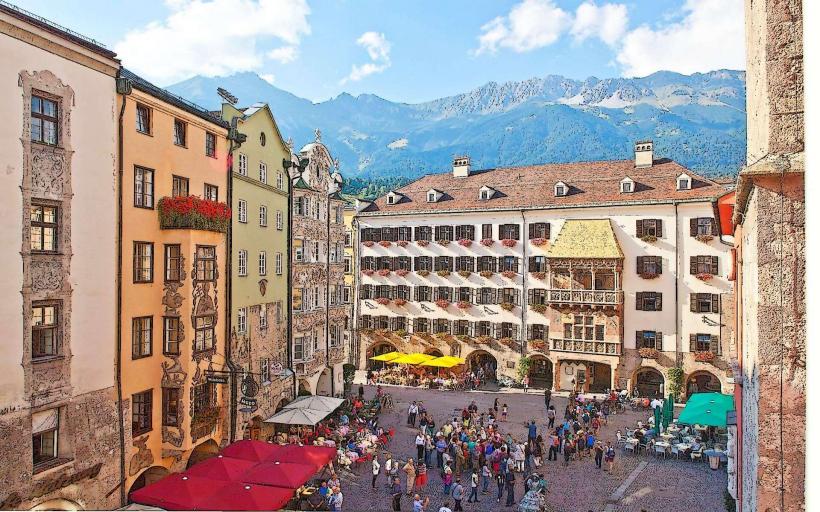
Golden Roof – 0.5km West (Ferdinandeum)
Hofkirche (Court Church) – 0.05km East (Folk Art Museum)
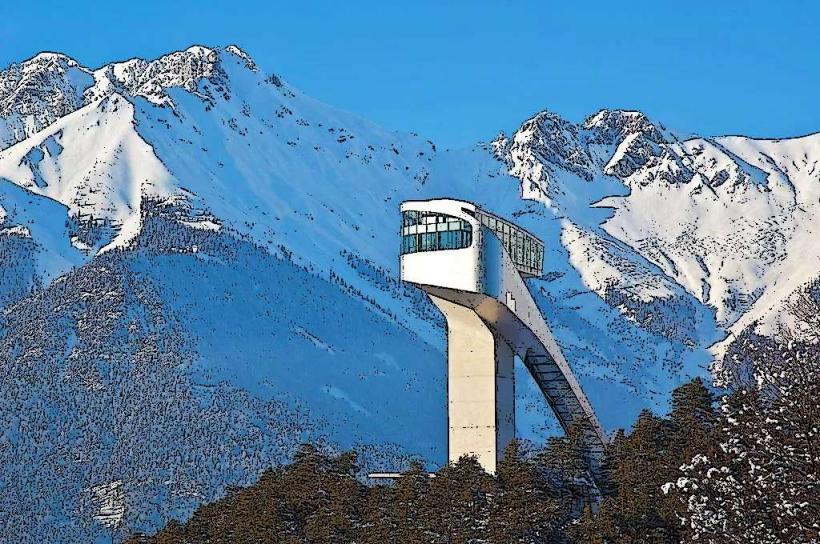
Bergisel Ski Jump – 0.2km South (Tirol Panorama)
St. James' Cathedral – 0.6km Northwest (Ferdinandeum)