Information
Landmark: Ambras CastleCity: Innsbruck
Country: Austria
Continent: Europe
Ambras Castle, Innsbruck, Austria, Europe
Ambras Castle (Schloss Ambras) is a Renaissance palace and museum situated on a hill in the southern district of Innsbruck, Austria. It is considered the oldest museum in the world, specifically designed by Archduke Ferdinand II to house his extensive collections.
Visual Characteristics
The complex is divided into the Lower Castle and the Upper Castle. The architecture transitions from medieval fortress elements to Italian Renaissance style. The Spanish Hall is the visual centerpiece, featuring a 43-meter ornate wood-cassette ceiling, 27 full-length portraits of Tyrolean rulers, and intricate intarsia doors. The exterior is characterized by white-washed walls, red-and-white shutters, and an expansive English landscape garden with peacocks.
Location & Access Logistics
The site is located at Schloßstraße 20, 6020 Innsbruck. It is approximately 4km southeast of the city center.
Public Transport: Accessible via the "Sightseer" hop-on hop-off bus or Bus Line 4134 and Tram Line 6 (stop: "Aldrans Schloss Ambras").
Pedestrian Access: A 45-minute uphill walk from the city center via the Sill river path.
Parking: A large free parking lot is available directly at the castle entrance for visitors.
Historical & Ecological Origin
Originally a 10th-century fortress of the Counts of Andechs, the current structure was transformed by Archduke Ferdinand II between 1563 and 1595. It was intended as a gift for his morganatic wife, Philippine Welser. Geologically, the castle sits on a prominent plateau of Alpine rock and glacial moraine overlooking the Inn Valley.
Key Highlights & Activities
Chamber of Art and Curiosities (Kunst- und Wunderkammer): A collection of 16th-century "miracles," including rare scientific instruments, exotic objects, and "monstrous" portraits (e.g., the hairy-faced Gonsalvus family).
Armories: Features one of the world's most significant collections of original 16th-century tournament and ceremonial armor.
Portrait Gallery: Over 300 paintings of the Habsburg dynasty, including works by Rubens, Velázquez, and Cranach.
The Spanish Hall: Used for classical concerts and state functions.
Infrastructure & Amenities
The castle grounds include "Café Ferdinand," a gift shop, and public restrooms. 5G cellular coverage is functional across the gardens but limited within the thick stone walls of the armories. The Lower Castle and Spanish Hall are wheelchair accessible; however, some sections of the Upper Castle and the steep garden paths present mobility challenges.
Best Time to Visit
Photography of the castle exterior and the Inn Valley view is best in the late afternoon. To avoid large tour groups, visit on weekday mornings immediately at 10:00. The castle is open daily, though it typically closes for the month of November for maintenance.
Facts & Legends
A historical oddity is the "Bathing Rooms of Philippine Welser," one of the few surviving 16th-century private bathhouses, featuring a sunken copper tub. Legend suggests the castle is haunted by the ghost of Philippine Welser, though she lived a largely secluded and peaceful life there. The museum is unique because its collections remain in the specific location for which they were originally commissioned and organized in the 1500s.
Nearby Landmarks
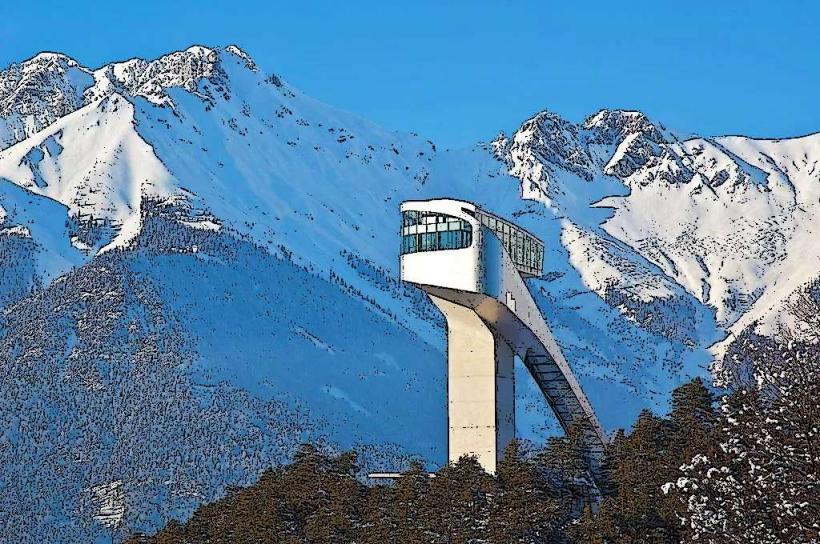
Bergisel Ski Jump – 3.5km West
Tirol Panorama Museum – 3.2km West
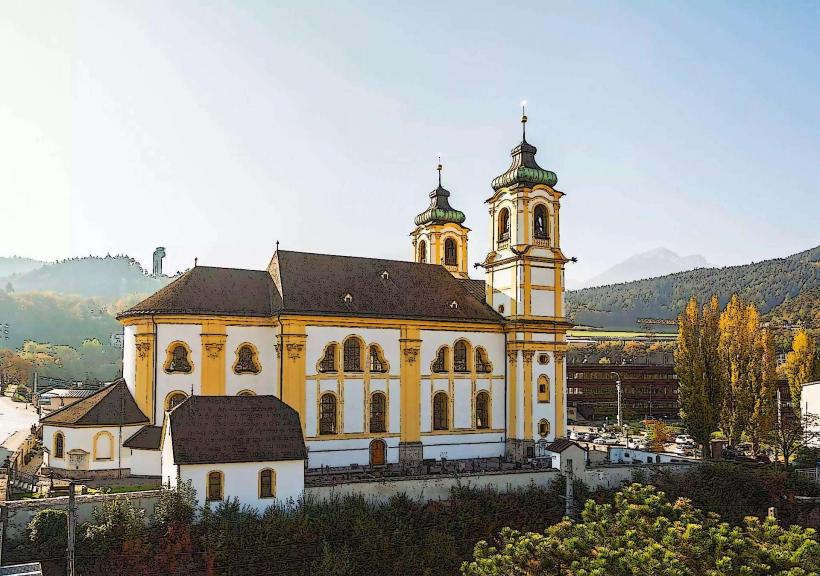
Wilten Basilica – 3.0km West
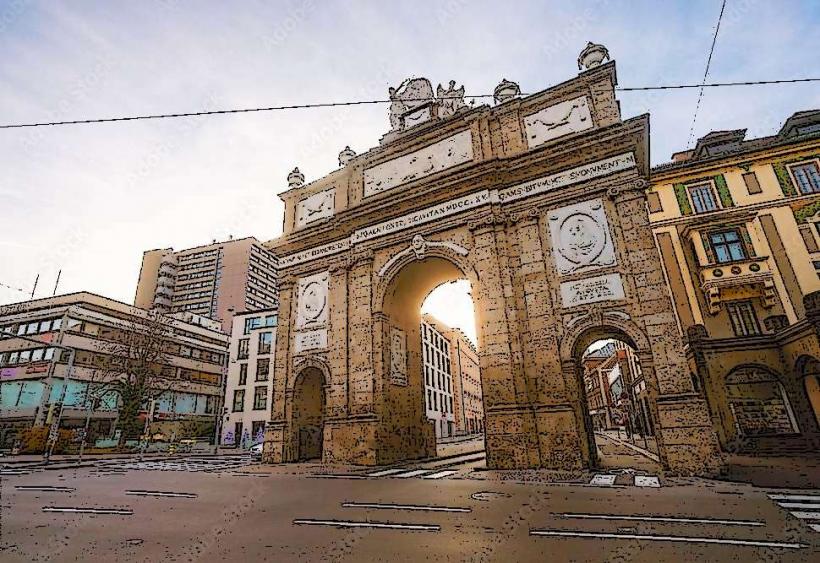
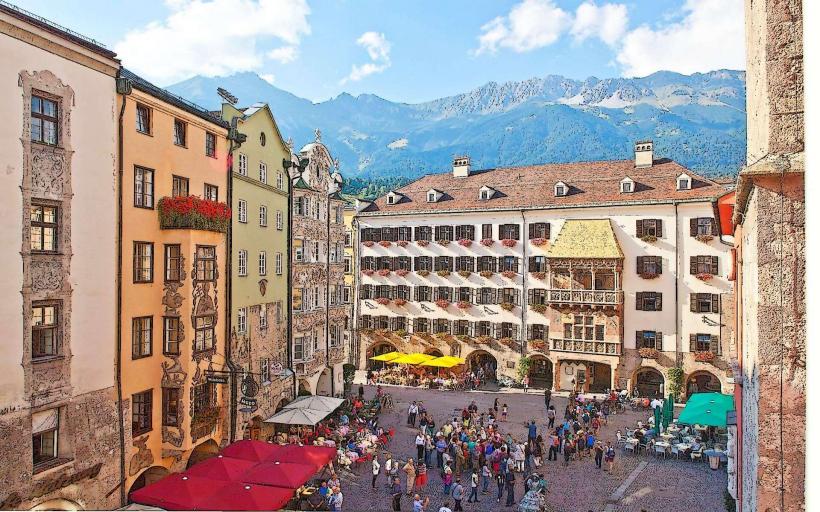
Innsbruck Old Town – 4.0km Northwest
Patscherkofel Mountain – 5.0km South