Information
Landmark: Gastein ValleyCity: Salzburg
Country: Austria
Continent: Europe
Gastein Valley, Salzburg, Austria, Europe
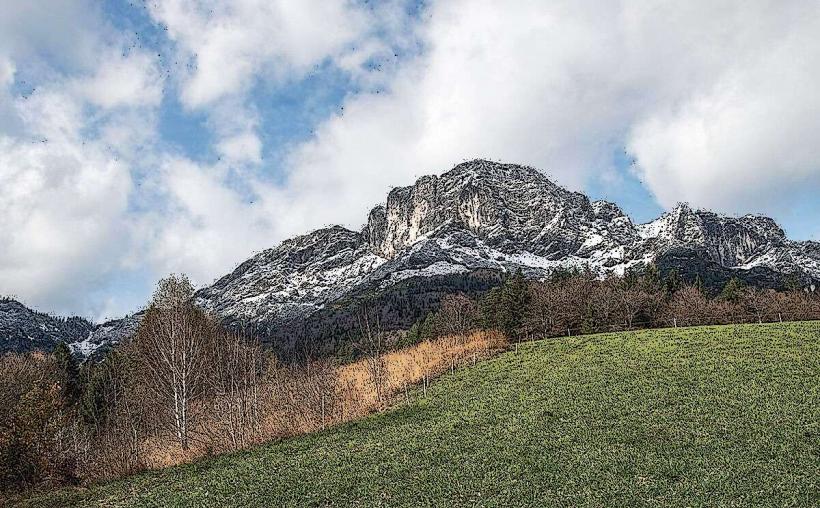
The Gastein Valley (Gasteinertal) is a 40-kilometer-long alpine valley in the High Tauern mountains of Salzburg. It is located approximately 90 km south of Salzburg.
Visual Characteristics
The valley features a dramatic transition from broad meadowlands in the north to narrow, high-alpine granite peaks in the south. The architecture is defined by the "Belle Époque" style-grand, multi-story hotels from the 19th century-juxtaposed with modern thermal spa complexes and rugged mountain scenery.
Location & Access Logistics
Transit: Direct EuroCity (EC) and Railjet (RJ) trains run from Salzburg Hauptbahnhof to the three main villages: Dorfgastein, Bad Hofgastein, and Bad Gastein.
Vehicle: Accessible via the A10 (Tauern Autobahn), exiting at "Bischofshofen" onto the B167.
Tauern Motorail: At the valley's southern end, the Tauernschleuse vehicle train transports cars through a tunnel to Carinthia (Mallnitz).
Historical & Medicinal Origin
The valley gained international fame for its thermal springs, which contain radon. Since the Middle Ages, it has been a retreat for royalty and aristocrats (including Emperor Franz Joseph I). The radon-rich waters and the specific humidity of the local caves are used to treat respiratory and musculoskeletal ailments.
Key Highlights & Activities
Bad Gastein Waterfall: A 341-meter waterfall that plunges through the center of the town, creating a unique microclimate and visual centerpiece.
Alpentherme (Bad Hofgastein) & Felsentherme (Bad Gastein): Two major thermal spa complexes utilizing the natural hot springs.
Gastein Healing Gallery (Heilstollen): A 2.5-km tunnel system into the Radhausberg mountain used for specialized radon therapy.
Skiing: Four interconnected ski areas (Stubnerkogel, Schlossalm, Graukogel, and Sportgastein) offering over 200 km of slopes.
Stubnerkogel Suspension Bridge: A 140-meter-long bridge at an elevation of 2,300 meters, offering 360-degree alpine views.
Infrastructure & Amenities
Connectivity: Excellent 5G coverage throughout the valley floor and at mountain stations.
Mobility: A highly synchronized regional bus system connects the three villages and the cable car base stations.
Accessibility: The valley floor paths and major spas are barrier-free; however, Bad Gastein itself is built on a steep slope with significant vertical elevation between streets.
Best Time to Visit
Winter (December–April): For skiing and thermal wellness.
Summer (June–September): For high-altitude hiking and the "Sommerfrische" cultural festivals.
Autumn: For the "Bauernherbst" (Harvest Festival) and traditional alpine cattle drives.
Facts & Legends
Bad Gastein is often called the "Monte Carlo of the Alps" due to its vertical architecture and grand casino. A technical highlight is the 18 natural thermal springs that yield approximately five million liters of $46^{\circ}C$ water daily.
Nearby Landmarks
Großglockner High Alpine Road – 35 km West
Zell am See – 40 km Northwest
Liechtenstein Gorge – 25 km North
High Tauern National Park – Surrounds the southern valley