Information
Landmark: Hohensalzburg FortressCity: Salzburg
Country: Austria
Continent: Europe
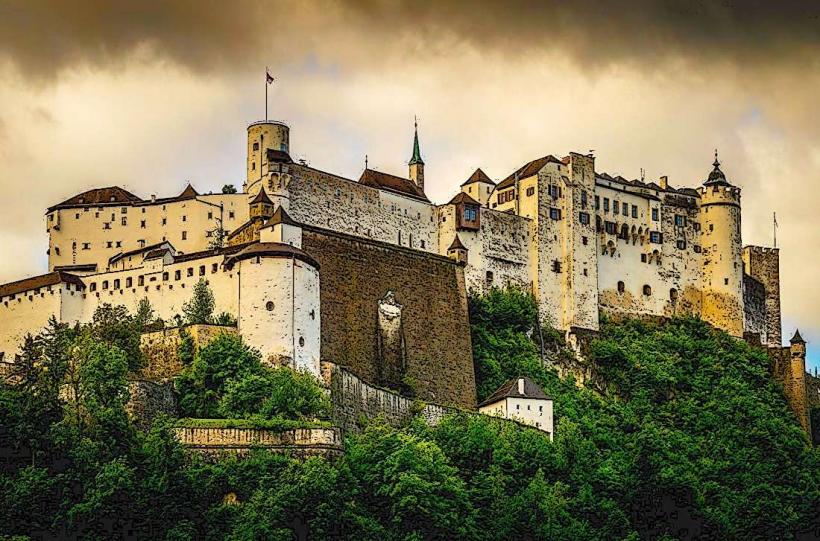
Hohensalzburg Fortress, Salzburg, Austria, Europe
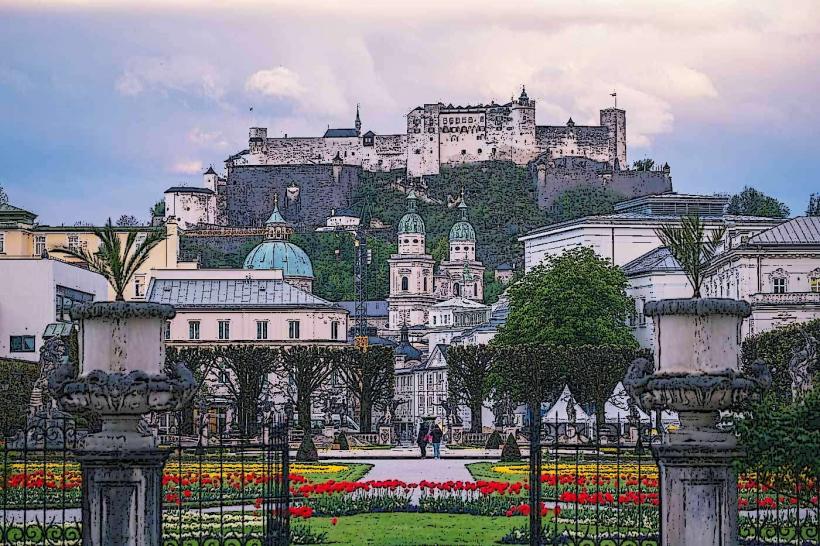
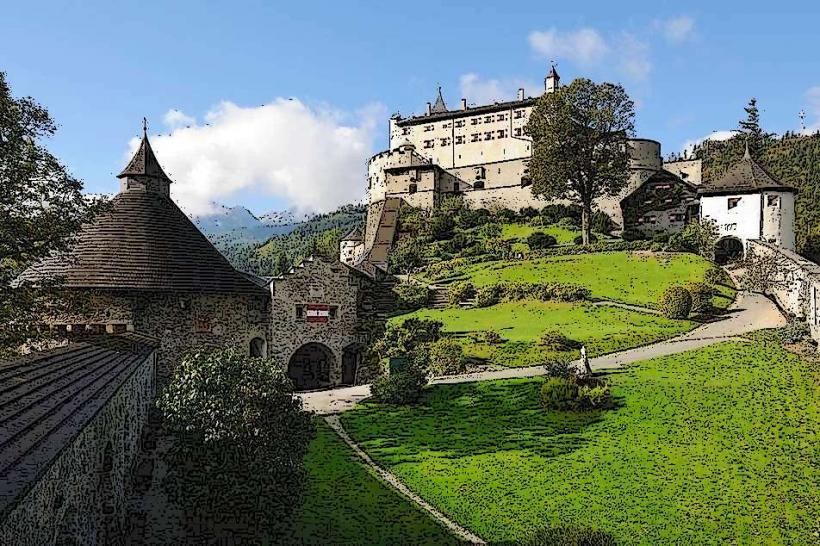
Hohensalzburg Fortress is a medieval castle situated atop the Festungsberg hill in Salzburg, Austria. It is one of the largest fully preserved fortifications in Europe and serves as a dominant landmark of the city's skyline.
Visual Characteristics
The fortress is constructed primarily of dolomite and limestone blocks, finished with white lime wash. It features a massive central keep, multiple circular bastions, and a surrounding curtain wall. The interior includes the Golden Hall with gold-leafed wooden carvings and twisted marble columns, while the exterior courtyards consist of cobblestone paths and defensive ramparts.
Location & Access Logistics
The site is located at Mönchsberg 34. Access from the Old Town is via a steep 15-minute walk up the Festungsgasse or by the Festungsbahn funicular, which departs from Festungsgasse 4. The funicular runs every 10 minutes. No private vehicle access is permitted to the summit; visitors must use the Altstadtgarage parking facilities in the mountain base and proceed on foot.
Historical & Ecological Origin
Commissioned in 1077 by Archbishop Gebhard von Helfenstein, the fortress was originally built as a wooden stockade to protect the clergy during the Investiture Controversy. It was expanded into a stone structure over several centuries, with its current appearance largely finalized under Archbishop Leonhard von Keutschach around 1500.
Key Highlights & Activities
Guided tours of the Regency Rooms and the torture chamber are available daily. Visitors can access the Fortress Museum, the Marionette Museum, and the Altes Zeughaus (Old Armory). The "Salzburg Bull," a large mechanical organ built in 1502, is played daily at specific intervals.
Infrastructure & Amenities
The fortress contains multiple restaurants, cafes, and public restrooms. 5G cellular signal is strong throughout the outdoor ramparts and most interior museum spaces. There are several water fountains and shaded courtyard areas. Elevators provide access between certain levels, but the historic site retains many uneven surfaces and steep grades.
Best Time to Visit
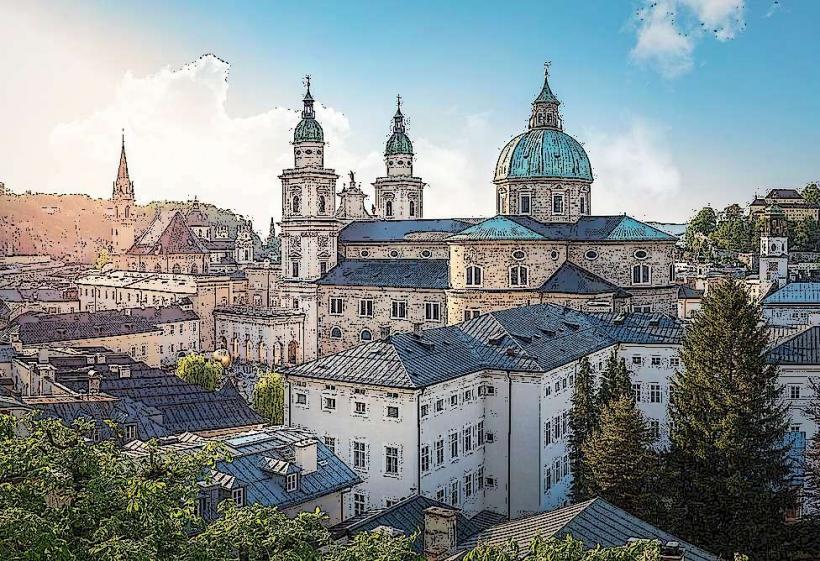
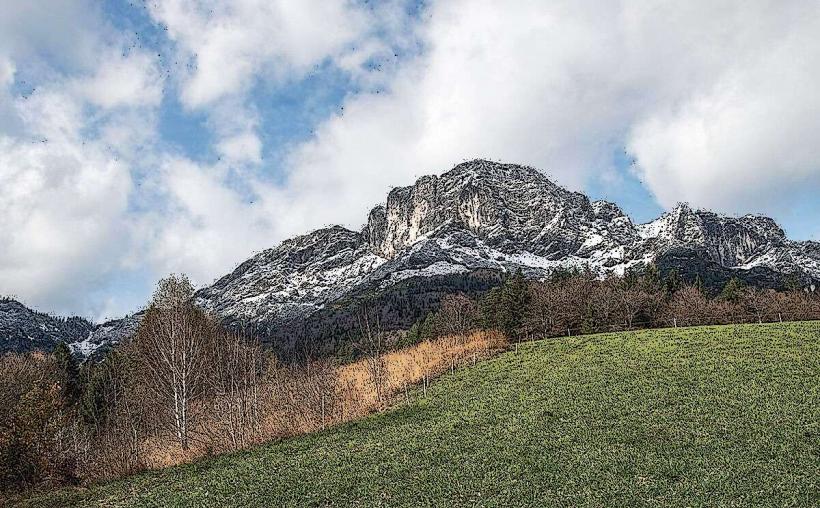
Photography of the city below is best in the late afternoon for optimal lighting on the Salzburg Cathedral. The fortress is least crowded before 10:00 or after 16:00. The winter months of January and February provide the clearest views of the surrounding Northern Limestone Alps.
Facts & Legends
The fortress has never been captured by a foreign military force. A local legend from the 16th-century Siege of Salzburg claims the defenders repeatedly painted a single bull different colors and led it along the walls to trick the besiegers into thinking they had an endless supply of food, eventually causing the enemy to retreat.
Nearby Landmarks
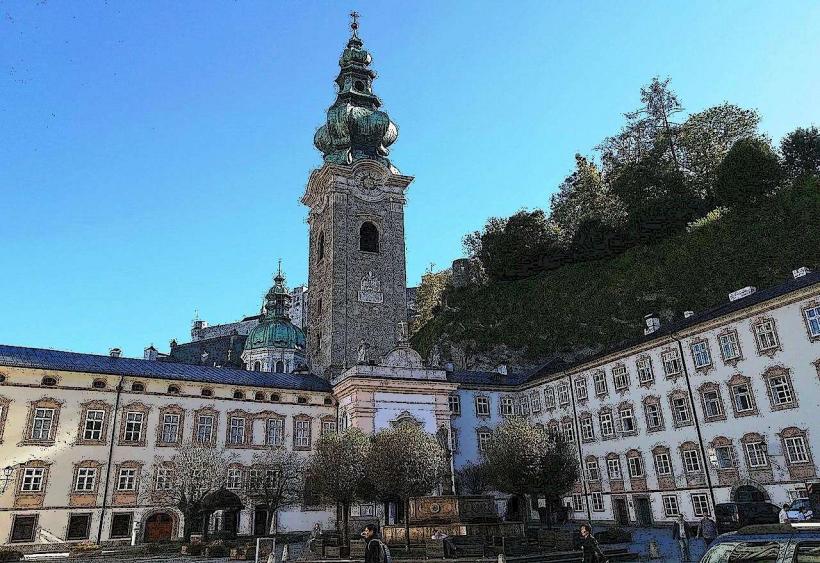
St. Peter's Abbey – 0.3km North
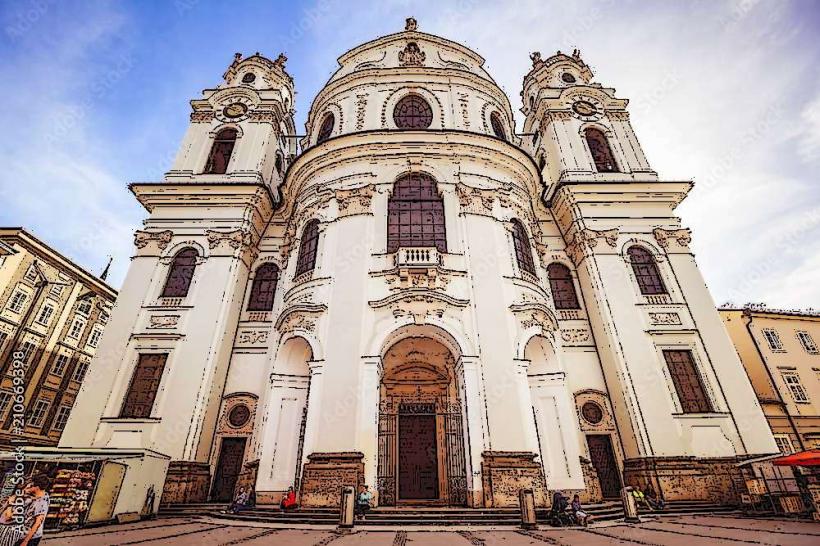
Salzburg Cathedral (Dom) – 0.4km North
Nonnberg Abbey – 0.5km East
Chapter Square (Kapitelplatz) – 0.3km North
Mönchsberg Lift – 0.9km Northwest