Information
City: SalzburgCountry: Austria
Continent: Europe
Salzburg, Austria, Europe
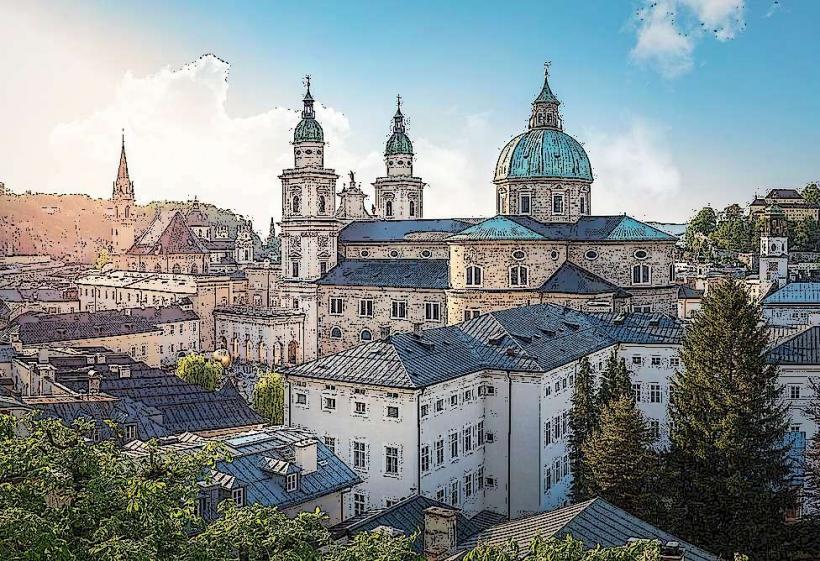
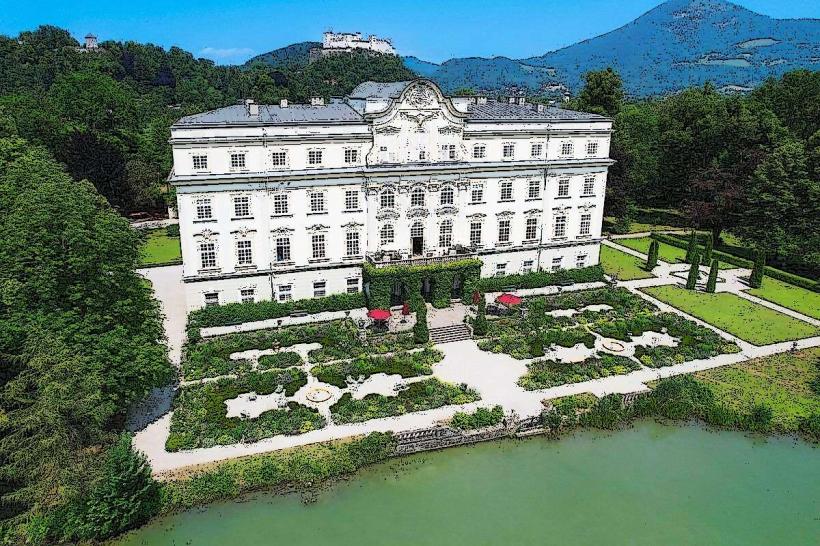
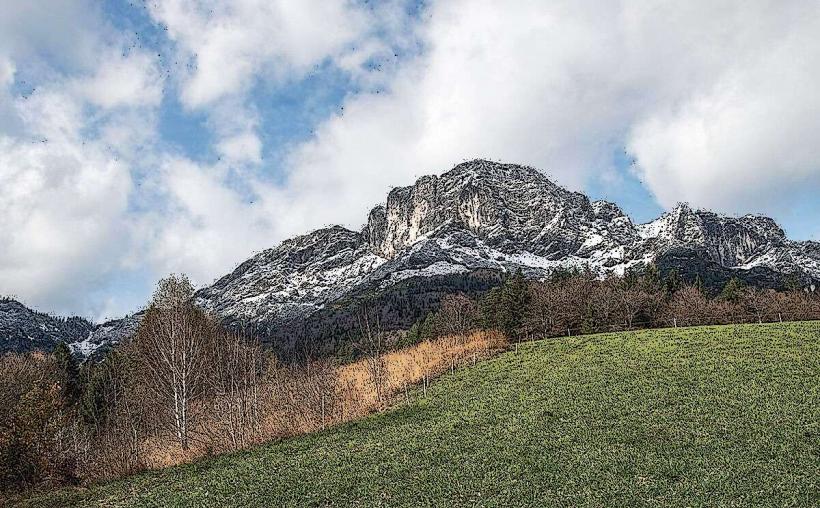
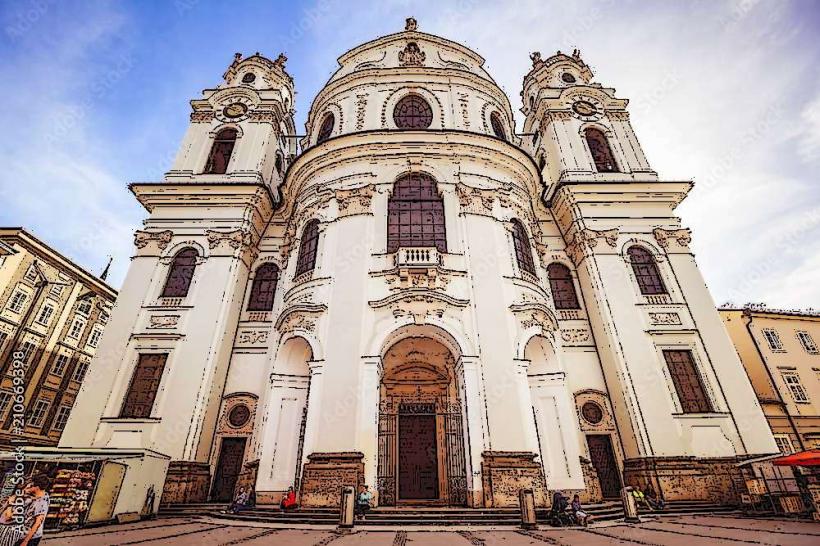
Salzburg functions as the administrative capital of the Salzburg state and the primary gateway to the Austrian Alps. Situated on the Salzach River at the northern edge of the Alps, it is a global hub for classical music, high-end tourism, and specialized salt and beer production. It is defined by its best-preserved Baroque core in the German-speaking world and its status as a UNESCO World Heritage site.
Historical Timeline
Salzburg originated as the Roman city Iuvavum. The primary era of governance was established by the Prince-Archbishops, who ruled Salzburg as an independent ecclesiastical principality of the Holy Roman Empire for over 1,000 years. The primary event shaping its modern identity was the 1816 integration into the Austrian Empire following the Napoleonic Wars, and the subsequent 1920 founding of the Salzburg Festival, which transformed the city into an international cultural powerhouse.
Demographics & Population
The population is approximately 157,000. The demographic profile is characterized by a high proportion of students attending the Mozarteum University and the University of Salzburg, alongside a significant workforce in the tourism and service sectors. German is the official language. The median age is 42.4 years.
Urban Layout & Key Districts
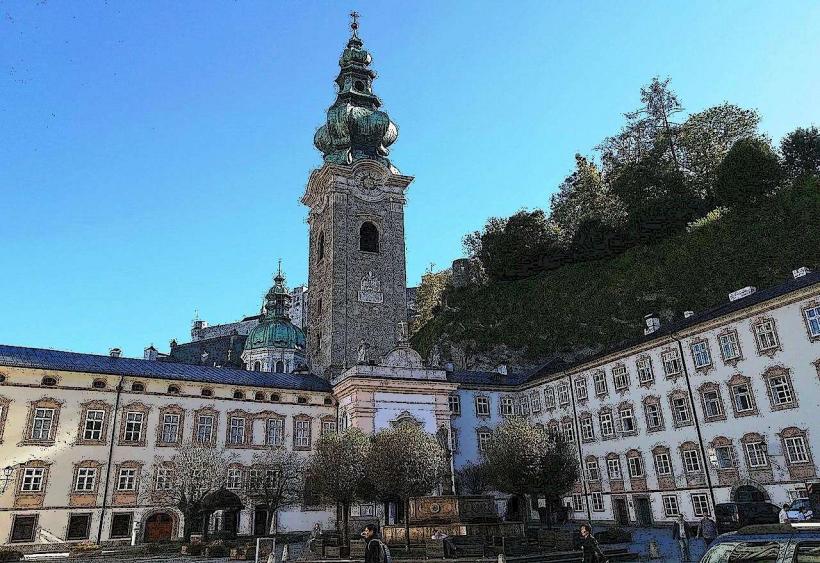
The city is divided by the Salzach River and framed by two distinctive hills, the Festungsberg and the Mönchsberg.
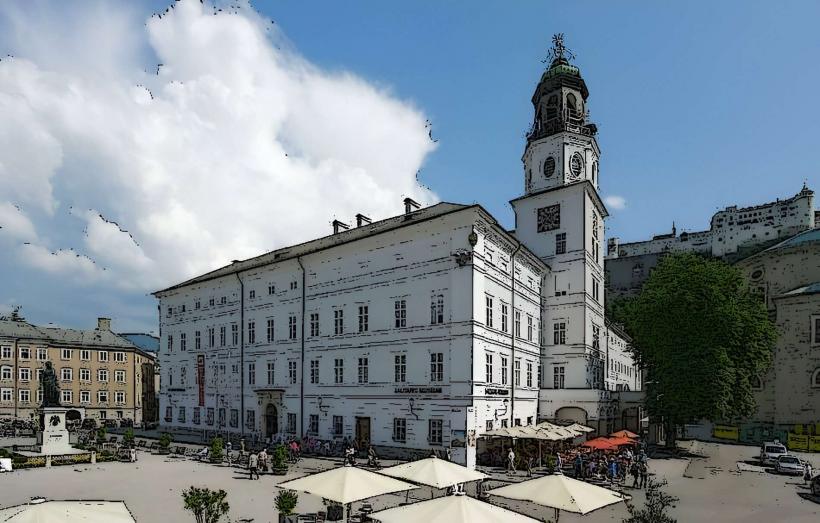
Altstadt (Old Town): The historic left-bank core, characterized by narrow medieval lanes and expansive Baroque squares.
Neustadt (New Town): Located on the right bank, housing the Mirabell Palace and the primary commercial districts.
Nonntal: One of the oldest districts, located below the fortress, containing the Nonnberg Abbey.
Lehen: A densely populated residential and cultural district in the north, undergoing significant urban modernization.
Top City Landmarks
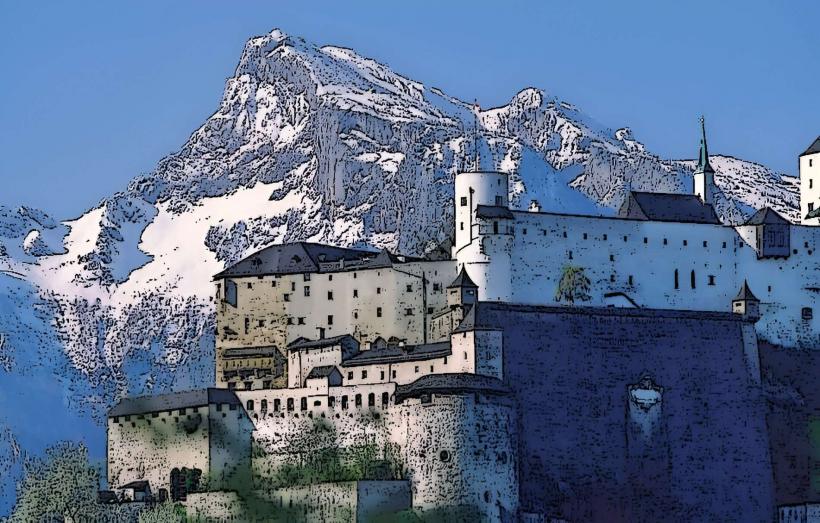
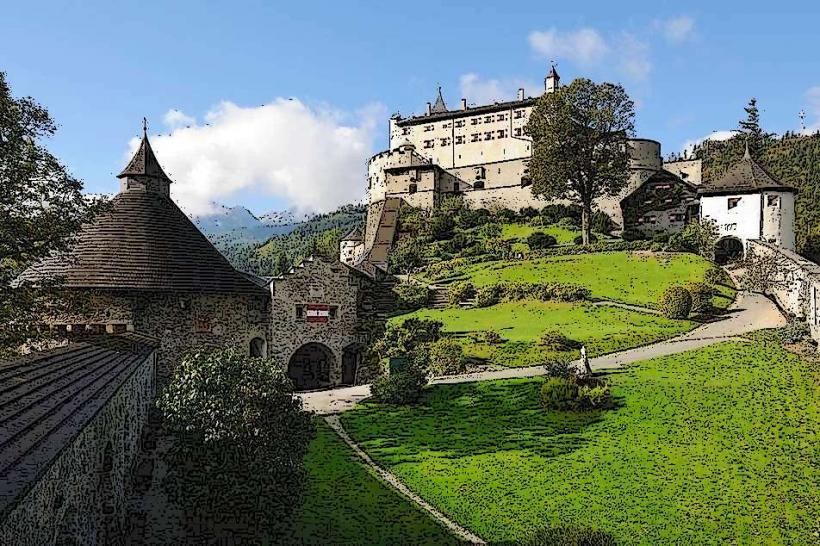
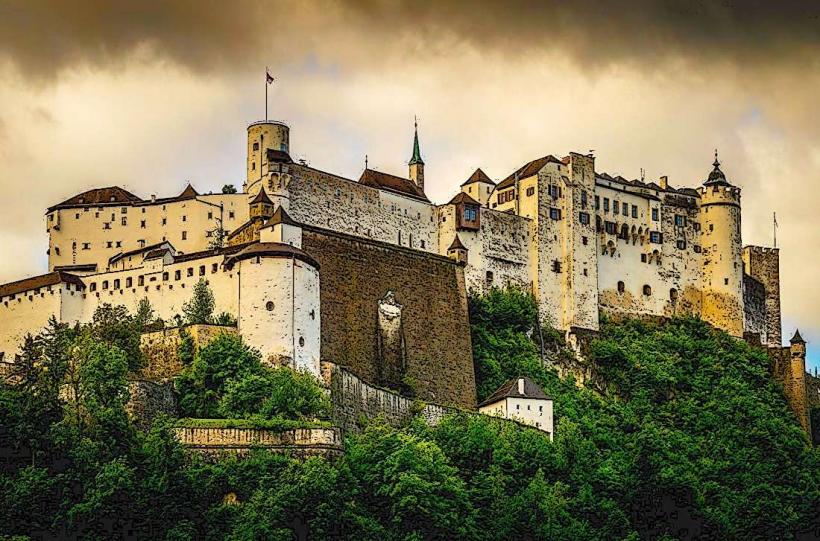
Hohensalzburg Fortress: One of the largest fully preserved medieval castles in Europe, dominating the city skyline.
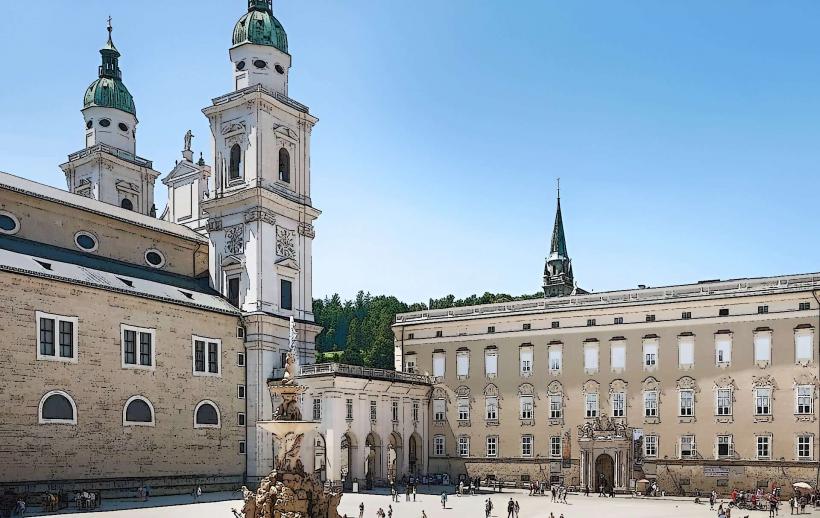
Salzburg Cathedral (Salzburger Dom): A masterpiece of early Baroque architecture, featuring a specialized seven-bell carillon and the font where Mozart was baptized.
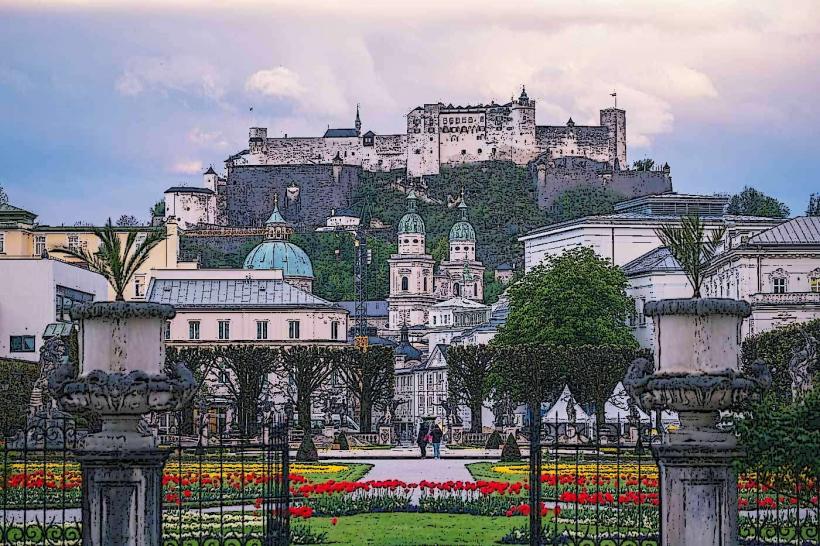
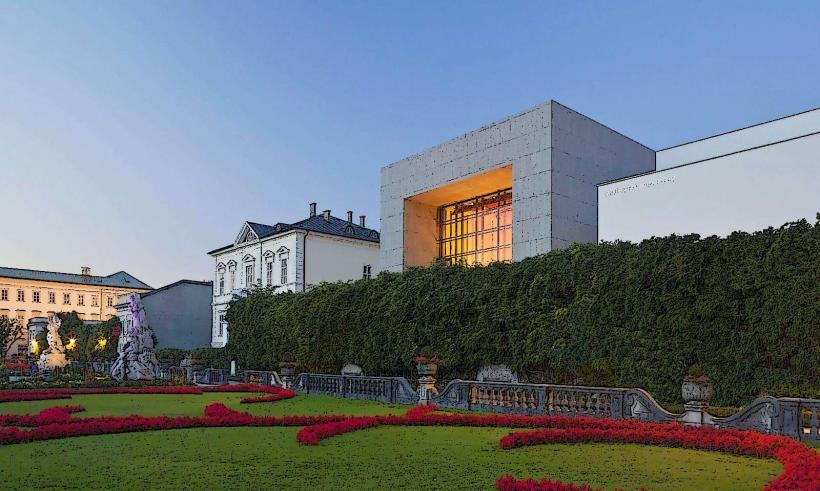
Mirabell Palace and Gardens: Built by Prince-Archbishop Wolf Dietrich for his mistress, featuring geometrically aligned Baroque gardens.
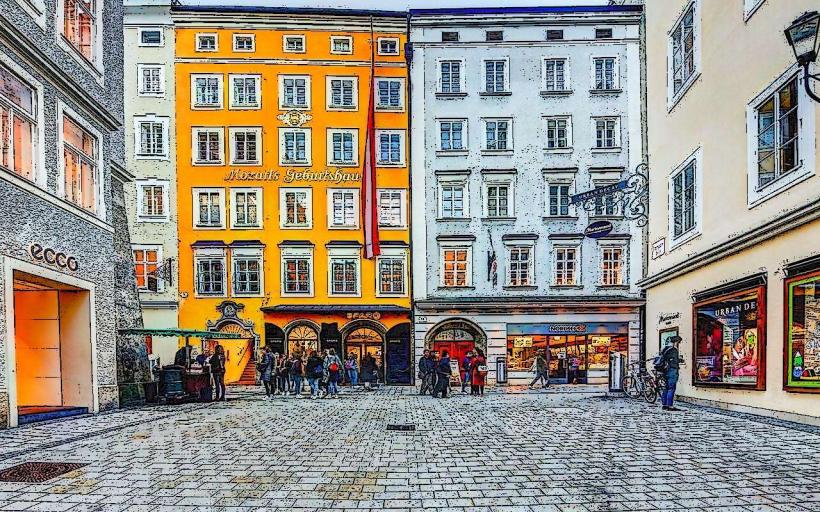
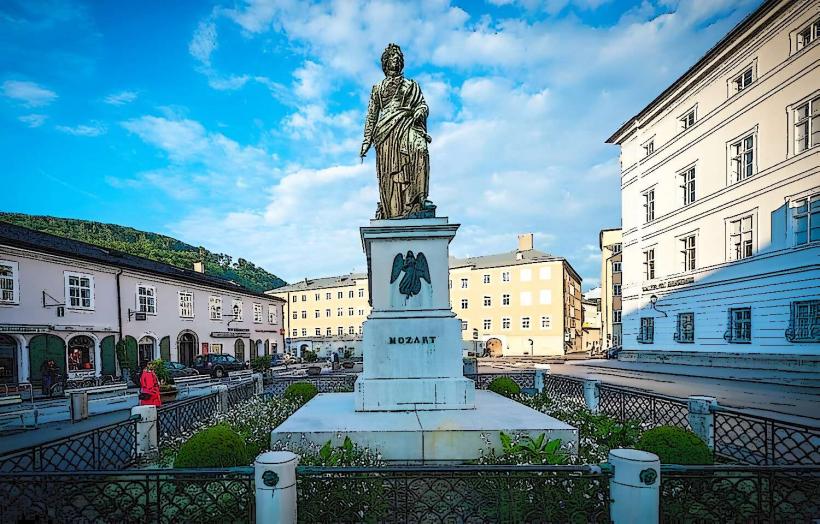
Mozart's Birthplace (Hagenauer Haus): A specialized museum on the Getreidegasse dedicated to the life of Wolfgang Amadeus Mozart.
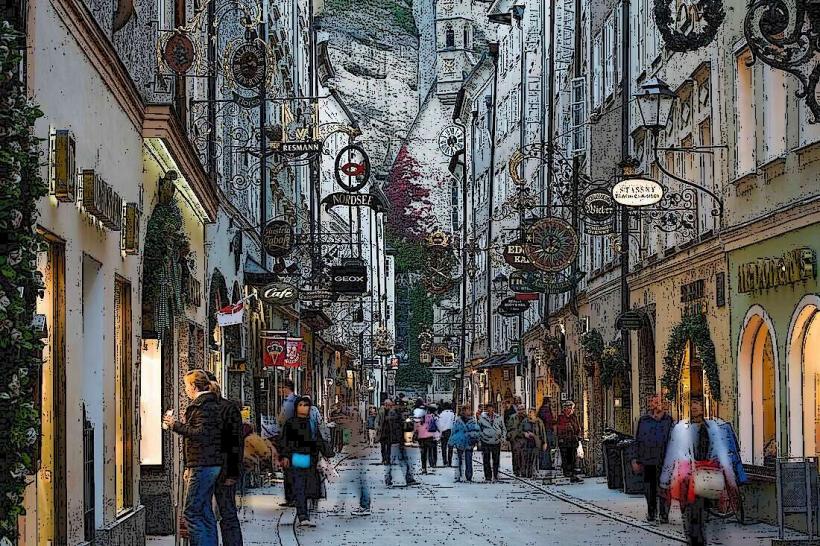
Getreidegasse: The primary historic shopping street, famous for its specialized wrought-iron guild signs.
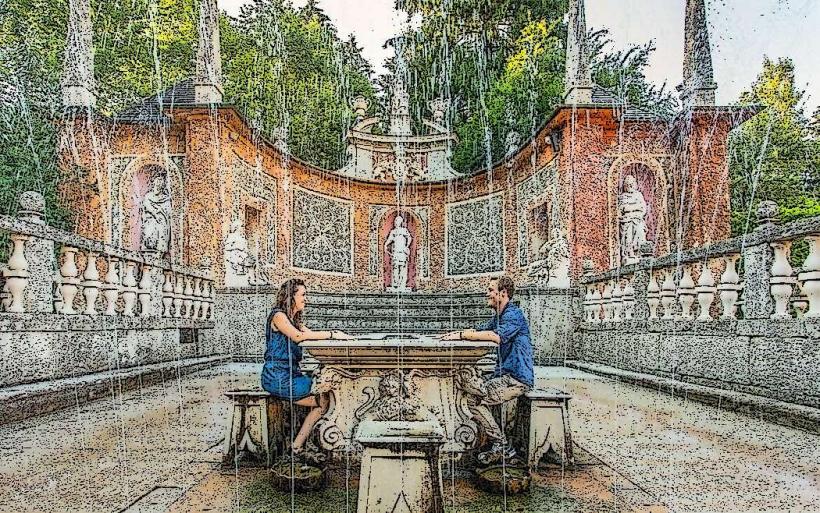
Hellbrunn Palace: Known for its specialized Wasserspiele (trick fountains), a unique Renaissance architectural diversion.
Transportation Network
Salzburg is a major international transit hub between Munich and Vienna.
Salzburg Hauptbahnhof: A specialized border station connecting Austrian (ÖBB) and German (DB) rail networks, with high-speed links to Vienna (2.5 hours) and Munich (1.5 hours).
Obus (Trolleybus): Salzburg operates one of the largest specialized electric trolleybus networks in Western Europe.
Salzburg Airport (WA Mozart): The second-largest airport in Austria, specializing in seasonal ski tourism and European connections.
Festungsbahn: A specialized funicular railway connecting the Old Town directly to the fortress.
Safety & "Red Zones"
The general safety level is exceptionally high. Violent crime is rare. There are no "red zones." The city is well-lit and monitored 24/7 due to high tourism volume. Standard caution is advised for pickpockets in crowded areas during the Salzburg Festival and at the central railway station late at night.
Digital & Financial Infrastructure
Salzburg is a leader in Aluminium Technology and Retail Logistics (HQ of SPAR Austria). Internet speeds average 100–1000 Mbps via fiber. 5G is universal. Card and mobile payments are standard, though traditional Alpine "Gasthöfe" (inns) in peripheral districts may remain "cash-only."
Climate & Air Quality
Salzburg has a temperate maritime/continental climate, heavily influenced by its proximity to the Alps. It is famous for Schnürlregen (string rain)-frequent, fine, persistent drizzle. Daytime temperatures range from 3°C in January to 24°C in July. Air quality is excellent.
Culture & Social Norms
Social norms are defined by a blend of urban sophistication and traditional Alpine "Tracht" (folk costume). Tipping (10%) is expected. The primary cultural event is the Salzburg Festival (July–August), the world's most prestigious festival for opera, music, and drama.
Local Cost Index
1 Espresso: €3.60
1 Pint of Beer: €5.50–€7.00
1 Standard Lunch: €18.00–€28.00
Nearby Day Trips
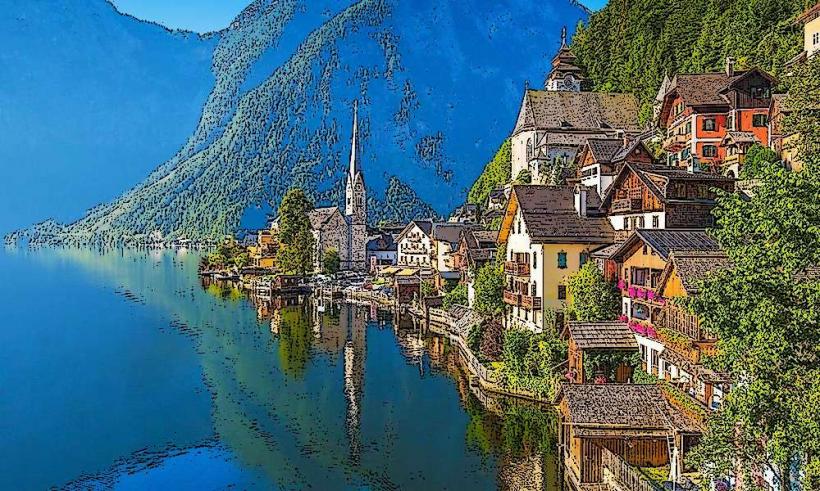
Hallstatt: 1.5 hours away; a specialized UNESCO-listed lakeside village and ancient salt mine.
Berchtesgaden, Germany: 30 mins away; home to the Königssee lake and the Eagle's Nest.
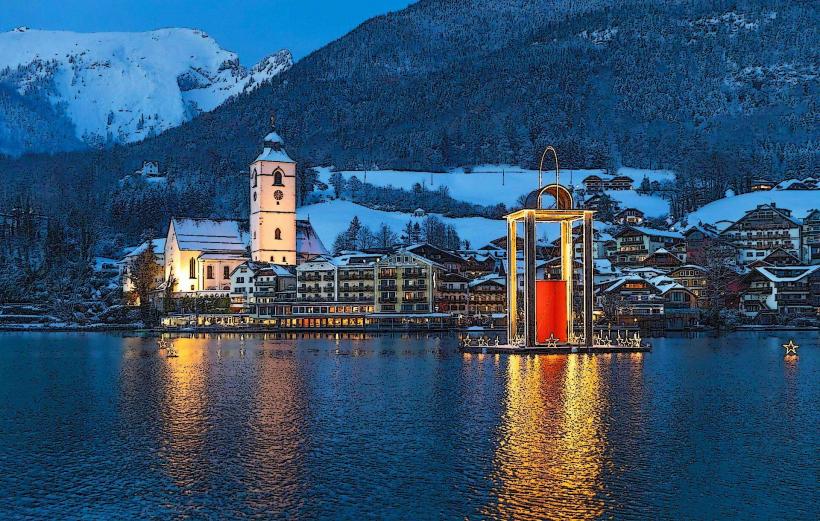
Wolfgangsee: 45 mins away; a specialized Alpine lake region known for water sports and hiking.
Facts & Legends
Salzburg is the site where the world-famous Christmas carol "Silent Night" was first performed in 1818. Legend states that the "Bull-Washer" of Salzburg saved the city from a siege by repeatedly painting the same bull different colors to trick the enemy into thinking the food supply was endless. A verified fact is that the city’s name literally translates to "Salt Castle," reflecting the mineral wealth that funded its construction. Historically, Salzburg remained independent of Austria until the early 19th century.