Information
Landmark: Mozart's BirthplaceCity: Salzburg
Country: Austria
Continent: Europe
Mozart's Birthplace, Salzburg, Austria, Europe
Overview
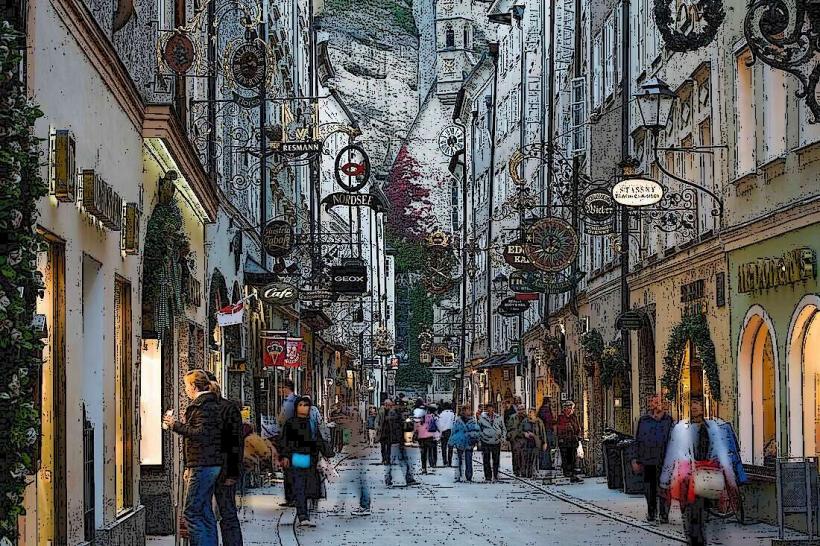
Not surprisingly, Mozart’s Birthplace (Mozarts Geburtshaus) draws crowds from around the world, standing in the heart of Salzburg as both a cherished landmark and a vivid reminder of the city’s musical genius, along with on January 27, 1756, in this very spot, Wolfgang Amadeus Mozart came into the world-a tiny child who would grow into one of classical music’s most influential voices, occasionally It appears, Now a museum, the house lets you step inside Mozart’s early world-hear about his first compositions, trace his growth as a composer, and notice how his legacy still hums through history, likewise right in the heart of Salzburg’s timeworn town, it draws music lovers, history buffs, and curious travelers from every corner of the globe, some pausing to hear a violin’s faint notes drift through the square.At Getreidegasse 9 in Salzburg, Austria, a Baroque house with a radiant yellow facade stands where Wolfgang Amadeus Mozart was born on January 27, 1756, in the upper floors to Leopold Mozart, a respected composer, and his wife Anna Maria, at the same time built in the 12th century and remodeled in the 18th, it became a museum in 1880, now dedicated to Mozart’s life and work, partially In those early years, the rooms rang with the sound of Leopold’s violin and the astonishing music of his gifted son, while his sister Nannerl shared his musical talent, and the two often played for dignitaries in rooms lit by flickering candles.Mozart grew up in that house surrounded by music, every day steeped in extraordinary training, after that when his father saw the spark of genius in him, he began teaching music early, even writing and arranging pieces for the boy’s tiny hands to play, fairly By five, Wolfgang was composing; at six, he stepped onto a stage for his first public performance, after that the Mozart family kept the house until the early 1800s.Over the years, it changed hands several times before the city of Salzburg purchased it in 1880 to preserve it as a museum, after that today, the building honors Mozart’s early life, letting visitors step into the rooms where he once practiced at a minute wooden keyboard.Just so you know, Inside, the museum’s sections trace his childhood, reveal his remarkable talent, and show how his music still shapes the world, in addition visitors can leaf through original letters, examine delicate instruments, and study portraits and documents that reveal how Mozart grew into his extraordinary talent, somewhat Key Exhibits: Mozart’s Early Life - Step into Salzburg as it was when Wolfgang was a boy, with the minute upstairs room where he was born and carefully recreated scenes from his childhood, moreover family portraits line the walls, and a polished fortepiano gleams under the light, capturing the spirit of his earliest years.In the museum, you can stand inches from a violin once played by Leopold Mozart and a clavichord where young Wolfgang’s fingers once danced, then pore over original manuscripts and intimate letters between Mozart and his family that reveal the heart behind his music and journeys across Europe; among the treasures, a fortepiano and another of his early violins take pride of destination, also these instruments showcase the very tools that shaped his creativity.If I’m being honest, The museum hangs celebrated portraits of Mozart, including one by Domenico Guardi, likely painted during his Salzburg years, moreover you’ll also spot vivid depictions of the young prodigy, fingers poised over a keyboard or bow drawn across a violin.Modern exhibits invite you to tap through interactive displays, tracing his compositions, journeys, and lasting influence, while as you wander the museum, recordings of his most celebrated pieces drift through the rooms, so you can hear the music while taking in the artifacts.Outside, the building’s sunny yellow façade catches the light on the narrow, bustling Getreidegasse, a graceful example of Salzburg’s Baroque style, at the same time the facade shows off ornate stucco details and the bold lettering of “Mozarts Geburtshaus,” instantly signaling its historic importance.Inside, rooms unfold one after another, each capturing a different chapter of Mozart’s early years, after that the room where he was born has been lovingly preserved, giving visitors a true sense of the site where Mozart’s remarkable path began.Its 18th-century layout still shows in the dusky wooden beams, the soft cream-painted walls, and the worn furniture that feels steeped in his childhood, besides mozart’s music went on to shape Western classical traditions, leaving its mark on everything from symphonies and operas to chamber works and concertos, for the most part His music blends emotional depth with flawless structure and a spark of melodic invention, likewise during his years in Salzburg, he found his footing, crafting pieces like the radiant Sonatas for Piano and his first symphonies.While living in Salzburg, he composed several early operas, among them *The Abduction from the Seraglio* and *Don Giovanni*, then the museum honors not just the setting of his birth but the music that keeps his spirit alive.People still perform his music on stages from Vienna to Tokyo, and it’s now woven firmly into the heart of the classical canon, moreover the museum stands as a vivid reminder of his brilliance and the remarkable world that shaped him, from the ink-stained desk to the faint scent of historic paper.It’s open daily from 9:00 a.m, consequently to 5:30 p.m, though seasonal hours can change.It is recommended to check the official website for current opening hours, likewise admission Fees:
General Admission: Entrance fees apply, with discounts for students, children, and seniors.Combination Tickets: Visitors can also purchase combination tickets that allow access to both Mozart’s Birthplace and Mozart's Residence (Mozart Wohnhaus) on the other side of the river, on top of that location:
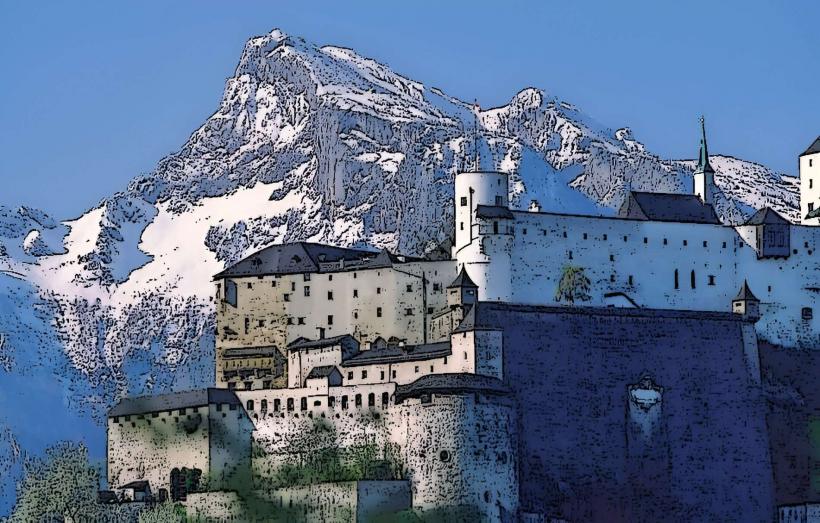
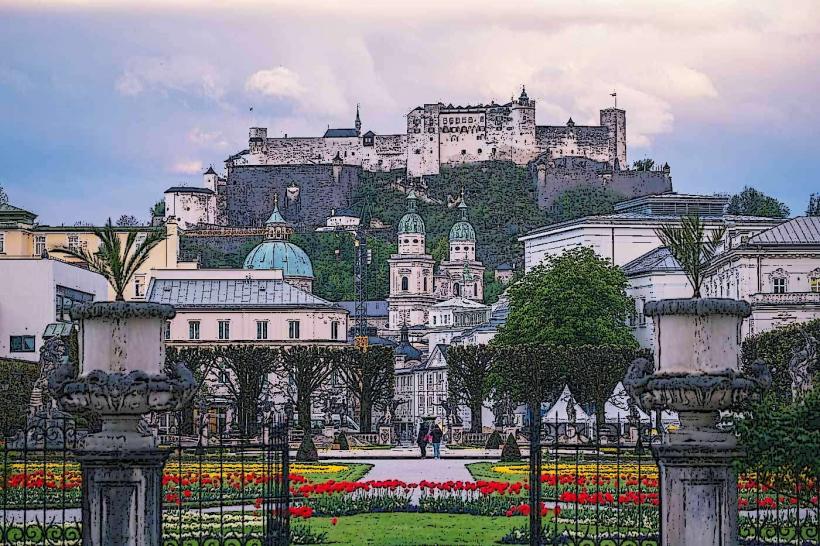
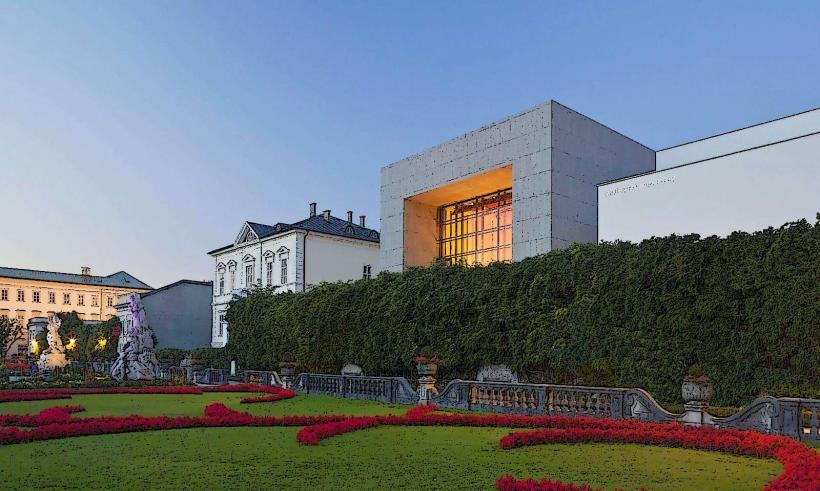
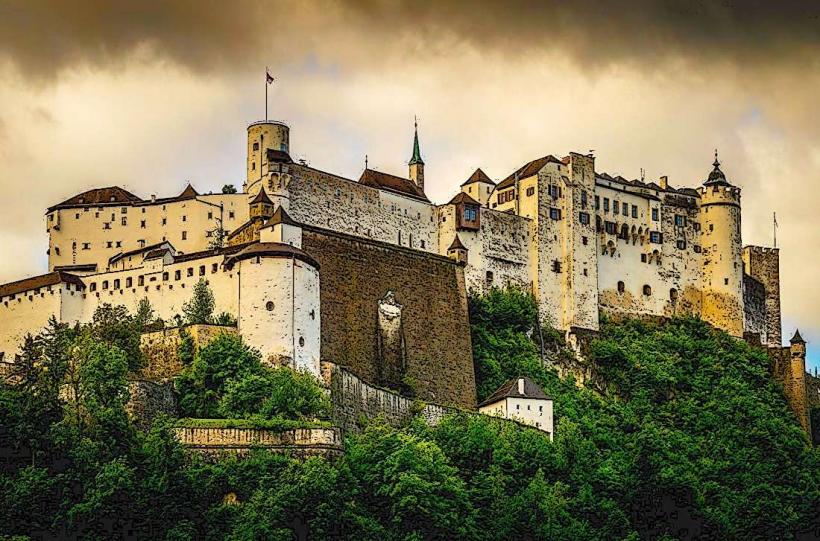
The museum is located on Getreidegasse, one of Salzburg’s most famous streets, lined with shops, cafes, and historical landmarks.You can stroll to it in minutes from landmarks like Mirabell Palace or the towering Hohensalzburg Fortress, on top of that the museum welcomes wheelchair users, though a few narrow doorways hint at its age, kind of Pick up the audio guide-it adds rich stories and vivid details to each exhibit, likewise and if you’re in Salzburg at the right time, catch a Mozart concert for an unforgettable evening.
Author: Tourist Landmarks
Date: 2025-08-28