Information
Landmark: St. WolfgangCity: Salzburg
Country: Austria
Continent: Europe
St. Wolfgang, Salzburg, Austria, Europe
St. Wolfgang im Salzkammergut is a historic market town located on the northern shore of Lake Wolfgangsee. Although frequently associated with Salzburg due to proximity, it is situated in the state of Upper Austria, approximately 50 km (31 miles) east of Salzburg.
Visual Characteristics
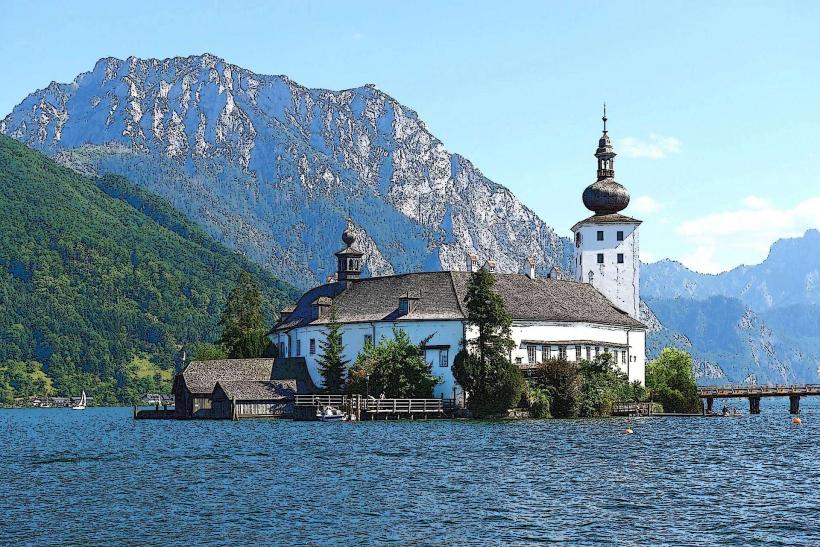
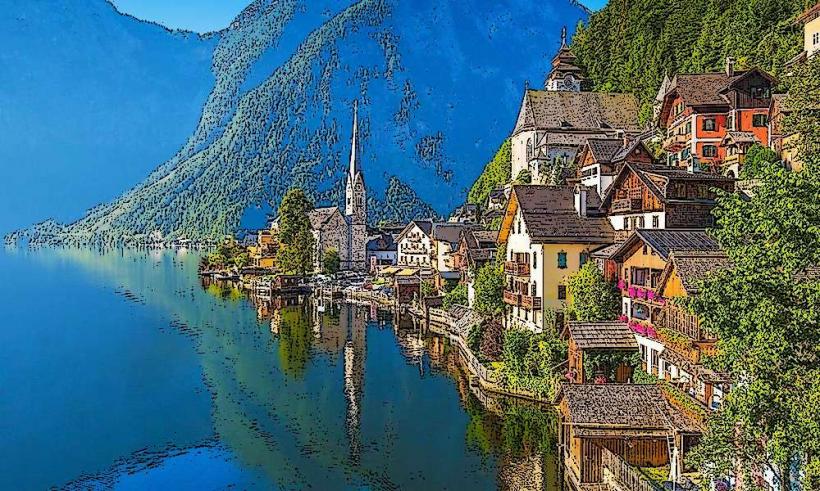
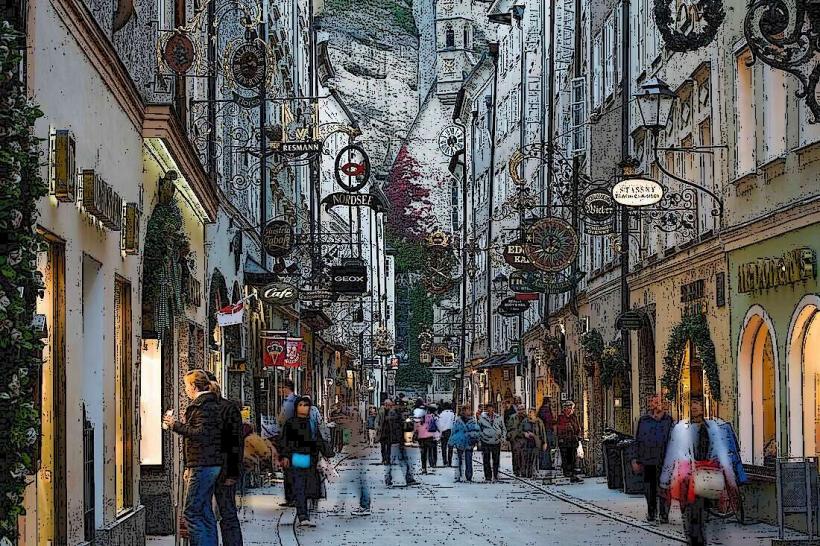
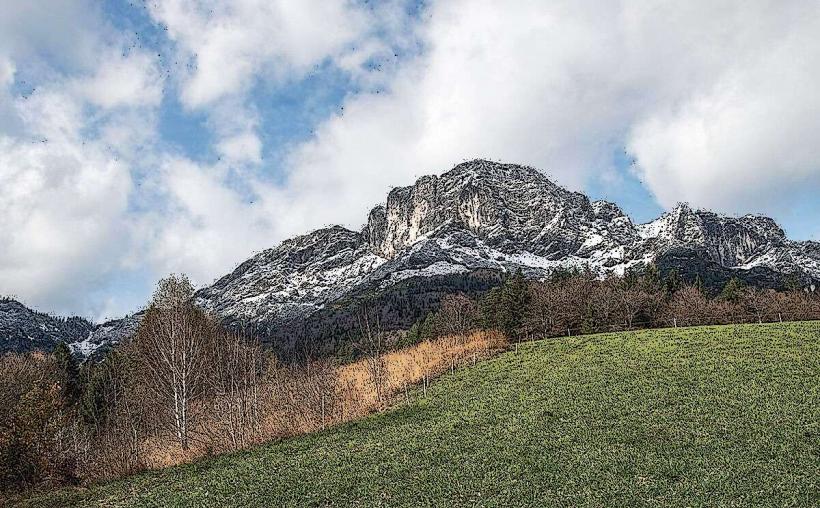
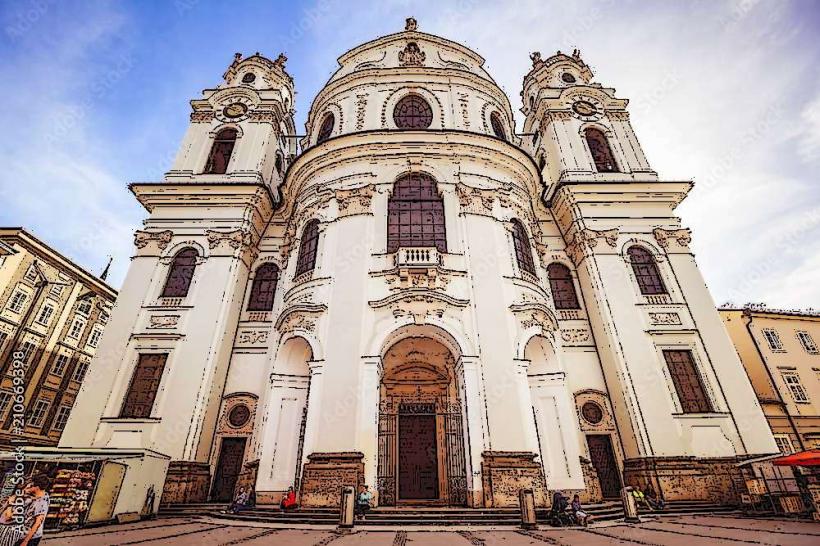
The town is defined by its well-preserved medieval and Renaissance core, characterized by narrow cobblestone streets and frescoes on building facades. The skyline is dominated by the white pilgrimage church with its prominent bell tower. The backdrop is the steep Schafberg mountain, while the foreground consists of the deep turquoise waters of the lake.
Location & Access Logistics
Address: 5360 St. Wolfgang im Salzkammergut.
From Salzburg: * Bus: Postbus Line 150 runs from Salzburg Hauptbahnhof to Strobl, connecting to Line 546 to St. Wolfgang (approx. 1 hour 15 minutes).
Car: Accessible via the B158 (Wolfgangsee Straße).
Ferry: Many visitors take the bus to St. Gilgen and cross the lake via the Wolfgangsee Schifffahrt ferry to reach St. Wolfgang.
Parking: Large, paid parking lots (P1, P2, P3) are located at the town entrance; the center is largely pedestrianized.
Historical Origin
The town is named after Saint Wolfgang of Regensburg, who reportedly sought refuge here in 976. It became one of the most important pilgrimage sites in Europe during the Middle Ages. In the late 19th century, it transitioned into a premier "Sommerfrische" (summer retreat) destination for the Austrian aristocracy and the Viennese bourgeoisie.
Key Highlights & Activities
Pilgrimage Church (Pfarrkirche): Houses the Pacher Altar (1481), one of the most significant late-Gothic winged altars in existence.
Schafbergbahn: Austria's steepest cog railway, which has been transporting passengers to the summit of the Schafberg ($1,783$ m) since 1893.
White Horse Inn (Im Weißen Rössl): The world-famous hotel and setting for the 1930 operetta of the same name.
Water Sports: The lake is a hub for sailing, rowing, and swimming (water temperature reaches approx. $24^{\circ}C$ in summer).
Infrastructure & Amenities
Accessibility: The lakeside promenade and main streets are level and accessible, but the interior town involves steep inclines.
Gastronomy: High density of traditional Austrian restaurants and lakeside cafes.
Connectivity: Reliable 5G coverage throughout the town.
Best Time to Visit
Summer: Peak season for hiking and lake activities.
Advent: The "Wolfgangseer Advent" is one of Austria's most famous Christmas markets, featuring a massive floating lantern on the lake.
Note: Many shops and the Schafbergbahn close or reduce hours during the "shoulder" seasons (November and March).
Facts & Legends
According to legend, St. Wolfgang threw an axe from the mountain and vowed to build a church where it landed. The Pacher Altar is technically a "double-winged" altar, allowing it to display three different scenes depending on the liturgical calendar.
Nearby Landmarks
St. Gilgen – 12 km West (Mozart’s mother’s birthplace)
Bad Ischl – 16 km East (Imperial summer residence)
Schafberg Summit – Accessible via cog railway
Postalm – Austria’s largest high-plateau pasture area, 20 km South