Information
City: GrazCountry: Austria
Continent: Europe
Graz, Austria, Europe
Graz functions as the capital of the Styria (Steiermark) state and the second-largest city in Austria. Situated on the Mur River, it is a primary hub for automotive engineering, aerospace technology, and specialized higher education. It is defined by its best-preserved medieval and Renaissance city center in Central Europe, its status as a UNESCO World Heritage site, and its designation as a UNESCO City of Design.
Historical Timeline
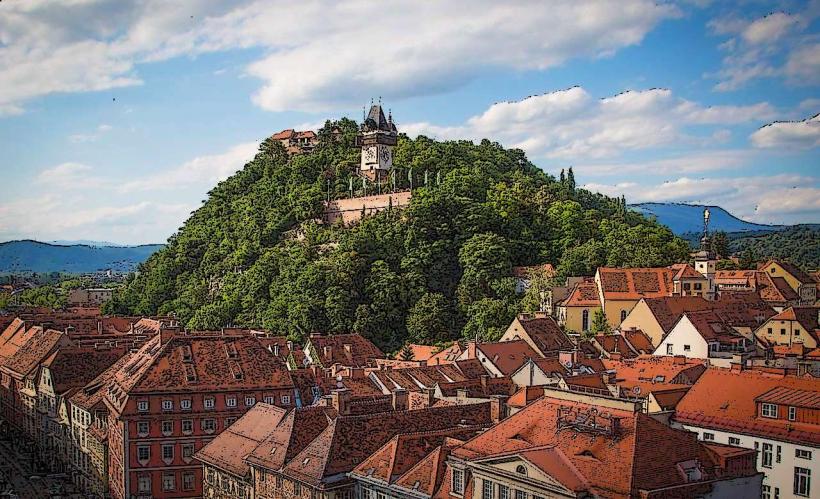
Graz originated as a Bavarian settlement and later a Slavic fortress (Gradec). The primary era of governance was the 14th to 16th centuries, when it served as a primary residence for the Habsburg Inner Austrian line, defending the empire against Ottoman incursions. The primary event shaping its modern identity was the 2003 designation as the European Capital of Culture, which integrated radical contemporary architecture into its historic red-roofed skyline.
Demographics & Population
The population is approximately 303,000. The demographic profile is heavily influenced by its status as a "student city," with over 60,000 students across four universities, including the University of Graz and the Graz University of Technology. German is the official language. The median age is 40.2 years.
Urban Layout & Key Districts
The city is organized around the Schlossberg hill and spreads across the Mur valley.
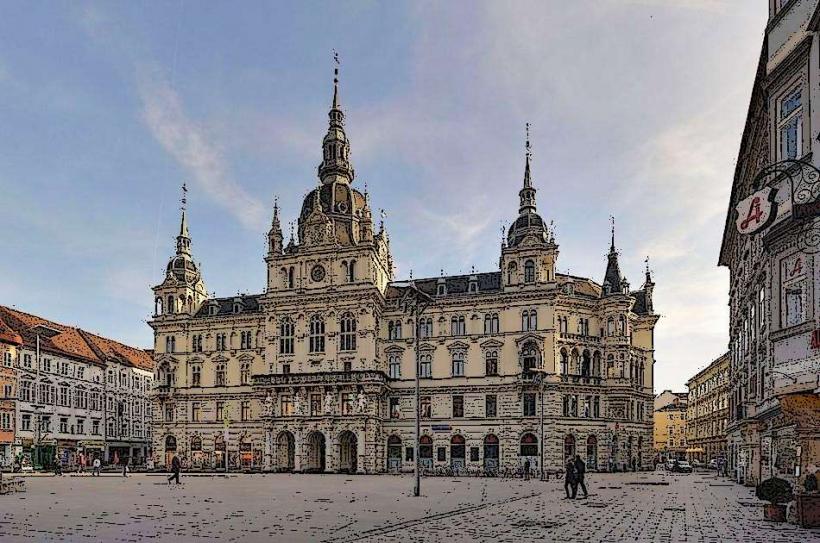
Innere Stadt (District 1): The historic core, featuring a specialized blend of Gothic, Renaissance, and Baroque architecture.
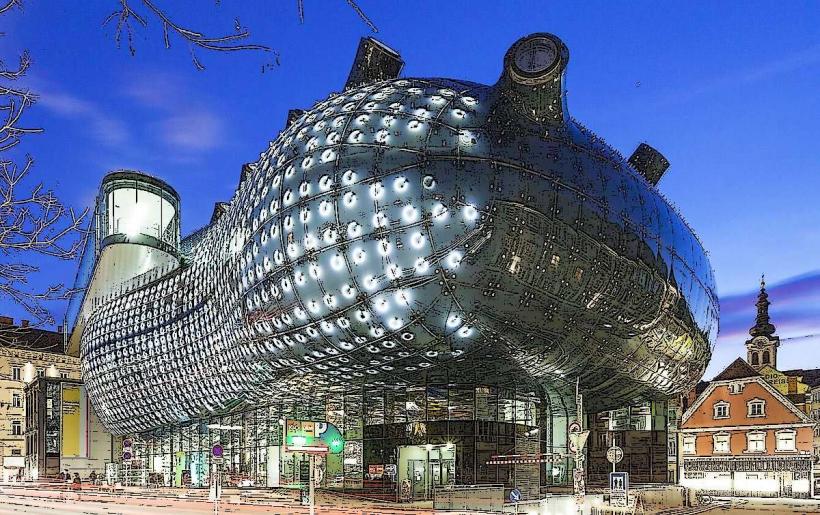
Lend: A specialized creative district on the right bank, known for art galleries and the Kunsthaus.
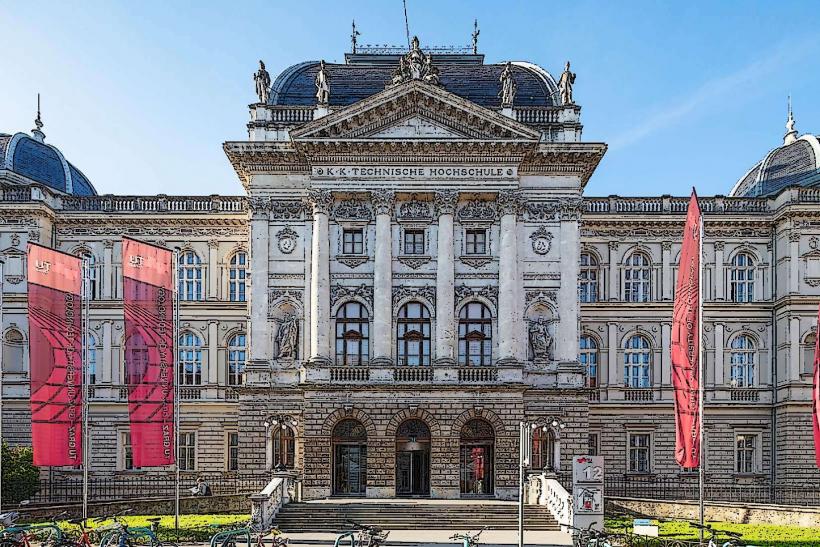
Geidorf: A green, academic district housing the main university campus.
Jakomini: The primary transit and commercial hub south of the center.
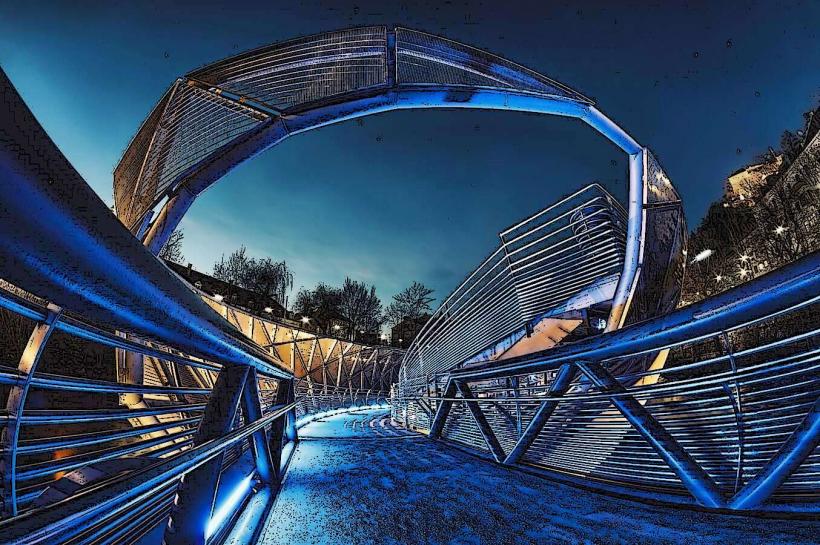
The Mur Island (Murinsel): A specialized structural steel platform floating in the river, connecting the two banks.
Top City Landmarks
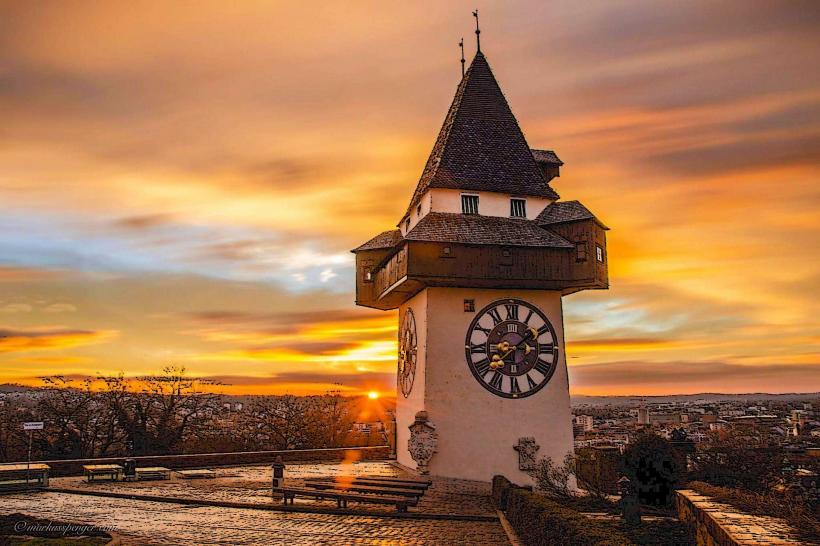
Schlossberg: A dolomite hill featuring the Uhrturm (Clock Tower), the city's primary landmark. It houses a specialized network of tunnels from WWII.
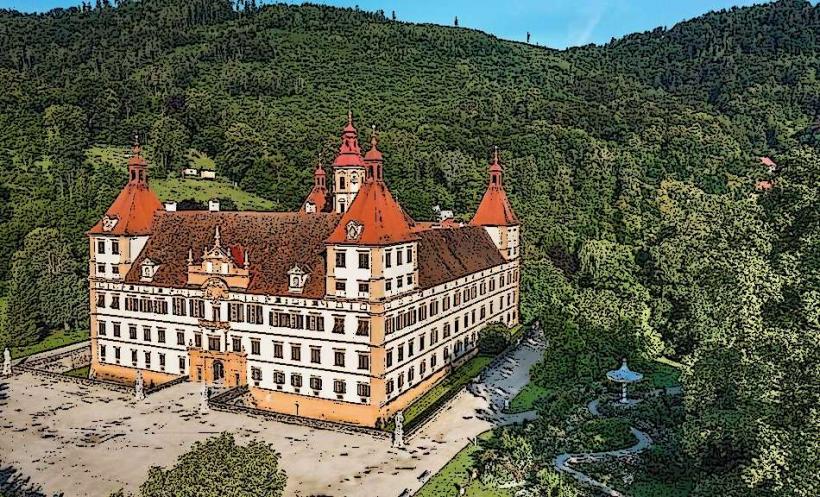
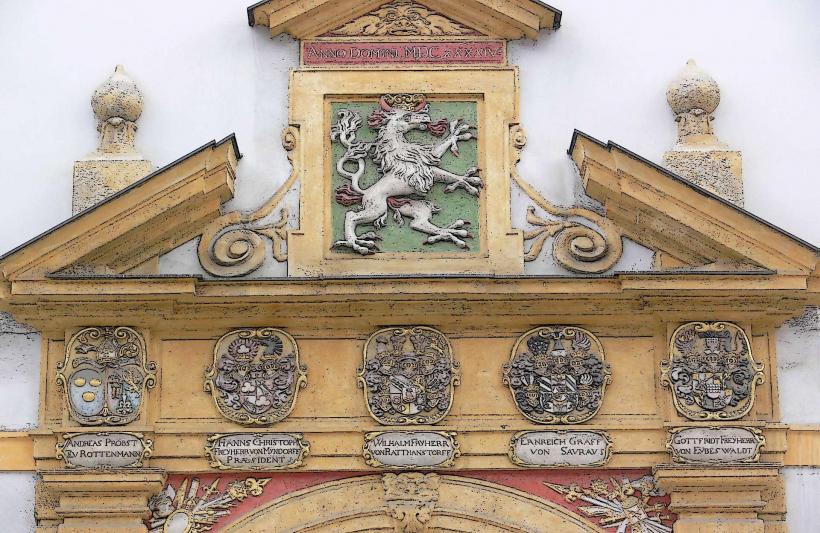
Eggenberg Palace: A specialized UNESCO-listed Baroque palace designed as an architectural allegory of the universe (365 windows, 24 state rooms).
Landeszeughaus (Styrian Armoury): The world's largest specialized historic armory, housing over 32,000 pieces of armor and weaponry.
Kunsthaus Graz: A specialized contemporary art museum nicknamed the "Friendly Alien" due to its biomorphic blue architecture.
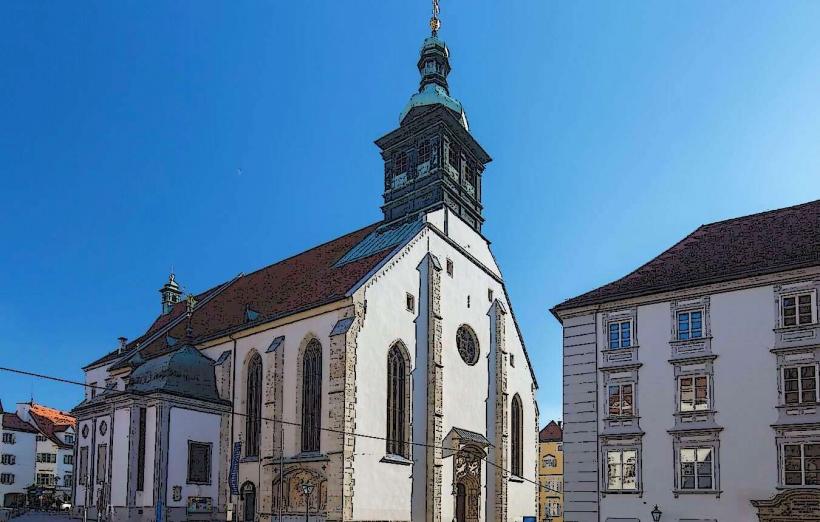
Grazer Dom: A Gothic cathedral featuring the "God’s Scourges" fresco, depicting the city's historical survival of plague and war.
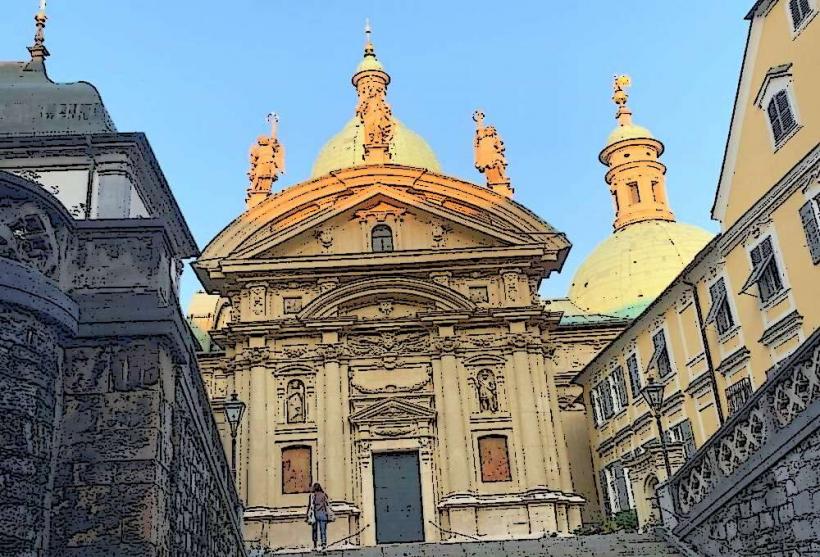
The Mausoleum of Emperor Ferdinand II: A specialized Mannerist masterpiece located next to the cathedral.
Transportation Network
Graz is a critical node in the Baltic-Adriatic rail corridor.
Graz Hauptbahnhof: A major hub connecting to Vienna (2.5 hours) and Slovenia/Italy.
Graz Tram Network: Extensive surface transit; District 1 features a specialized "Altstadt-Bim" (Old Town Tram) where travel is free within the core.
Schlossbergbahn: A specialized funicular with a 60% incline connecting the base to the summit of the Schlossberg.
Graz Airport (GRZ): A specialized regional hub for business travel and Alpine tourism.
Safety & "Red Zones"
The general safety level is exceptionally high. Crime is statistically minimal. There are no "red zones." The city center is calm and safe at all hours. Standard caution is advised near the Griesplatz and the Hauptbahnhof late at night, common to most urban transit points.
Digital & Financial Infrastructure
Graz is a leader in Semiconductor Technology and Green Tech. Internet speeds average 100–1000 Mbps via fiber. 5G is universal. Card and mobile payments are standard. The city is the core of the "AC Styria" automotive cluster, specializing in autonomous driving research.
Climate & Air Quality
Graz has a transitional humid continental/oceanic climate. Due to its location south of the Alps, it receives more sunshine than Vienna but is prone to winter temperature inversions and fog in the Mur valley. Daytime temperatures range from 3°C in January to 26°C in July.
Culture & Social Norms
Social norms are characterized by a Mediterranean-influenced lifestyle often referred to as "the northernmost city of Italy." Tipping (10%) is expected. The primary cultural event is Steirischer Herbst (Styrian Autumn), one of the oldest festivals for contemporary art in Europe.
Local Cost Index
1 Espresso: €3.20
1 Pint of Beer: €5.00–€6.50
1 Standard Lunch: €13.00–€22.00
Nearby Day Trips
Zotter Chocolate Theater: 45 mins away; a specialized world-renowned sustainable chocolate factory.
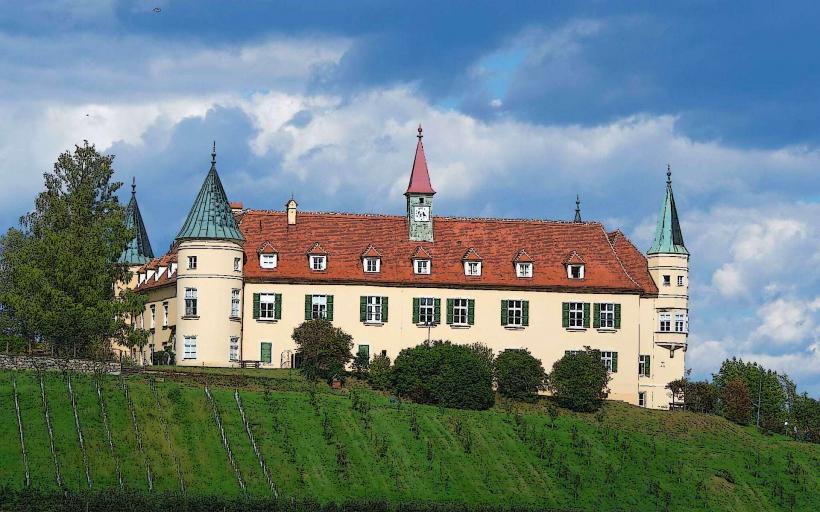
Styrian Wine Country (Südsteiermark): 40 mins away; known as "Styrian Tuscany" for its specialized white wines.
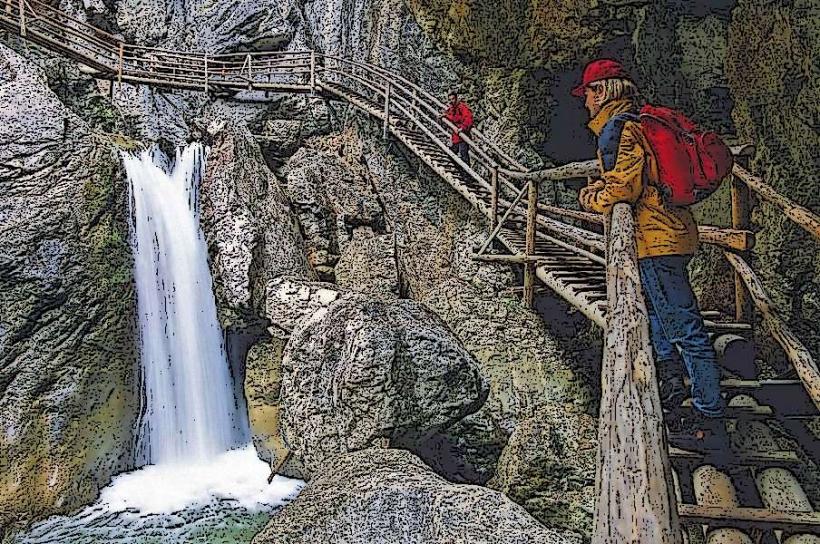
Lurgrotte: 20 mins away; the largest specialized dripstone cave in Austria.
Facts & Legends
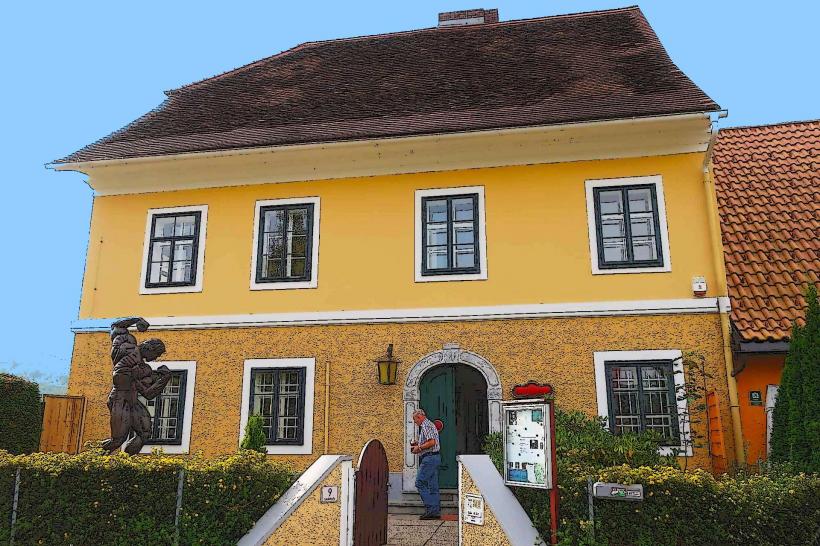
Graz is the site where Arnold Schwarzenegger was born and began his bodybuilding career (in the suburb of Thal). Legend states the Devil built the Schlossberg after a deal with the citizens, but dropped the rock when he saw a procession. A verified fact is that the city’s Clock Tower has swapped hands: the long hand shows hours and the short hand shows minutes. Historically, the city’s fortifications were so formidable that even Napoleon could not capture them by force.