Information
Landmark: Graz University of TechnologyCity: Graz
Country: Austria
Continent: Europe
Graz University of Technology, Graz, Austria, Europe
Graz University of Technology (TU Graz) is a public research university located in Graz, Styria. Established in 1811, it is one of five universities in Styria and one of three technical universities in Austria. It is a central pillar of the "Science Park Graz" and the "TU Austria" association.
Visual Characteristics
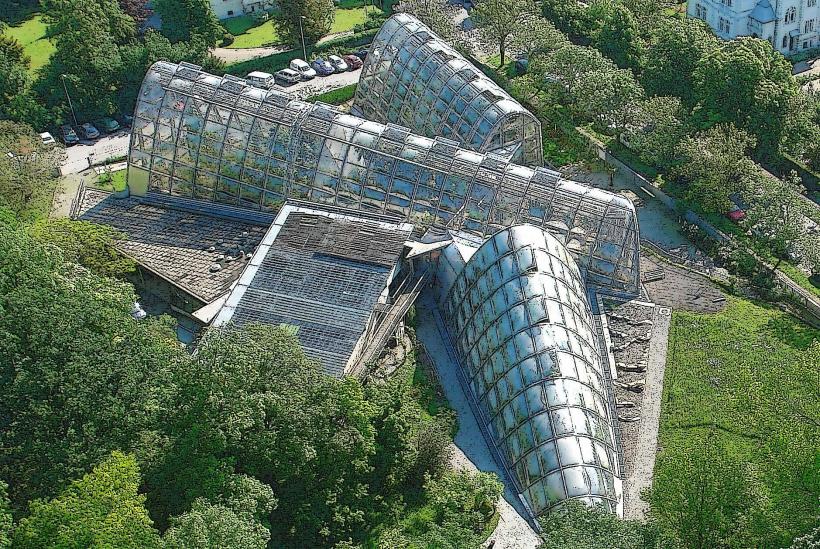
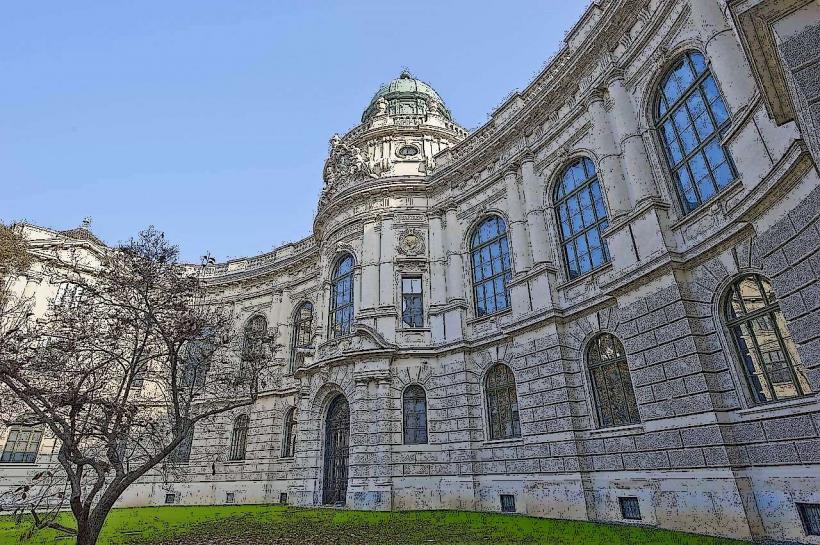
The university is distributed across three main campus locations in the city. The Alte Technik (Old Technology) campus features a 19th-century Neo-Renaissance main building with a grand brick facade and ornate courtyards. In contrast, the Neue Technik and Inffeldgasse campuses are defined by modern, functionalist glass-and-steel laboratory buildings, including the distinctive "Nikola Tesla" laboratory and the high-tech Data House.
Location & Access Logistics
Campus Alte Technik: Rechbauerstraße 12. Accessible via Tram Line 1 or 7 (stop: "Rechbauerstraße").
Campus Neue Technik: Stremayrgasse/Petersgasse. Accessible via Tram Line 6 (stop: "St. Peter-Stadtfriedhof" or "Schulzentrum St. Peter").
Campus Inffeldgasse: Inffeldgasse 25. Accessible via Tram Line 6 (stop: "Schulzentrum St. Peter") or Bus Line 64.
Parking: Highly restricted on-site; visitors typically utilize short-term city parking zones (Blue/Green zones) or nearby public garages like "Steiff-Garage."
Historical & Ecological Origin
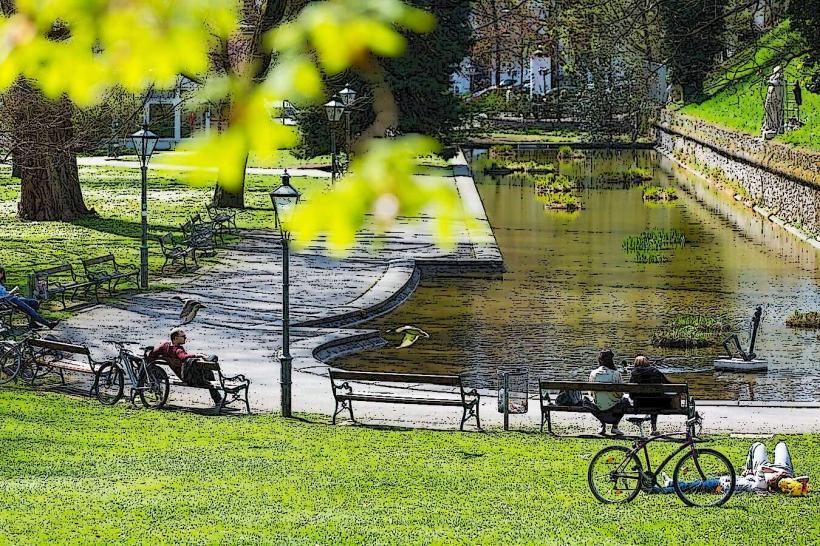
The institution was founded by Archduke Johann as part of the Joanneum. It achieved university status in 1901. Historically, it has focused on the technical development of the Styrian industrial belt. Geographically, its campuses occupy urban sites east of the Mur River, often integrated into residential and park-like environments (e.g., near the St. Leonhard cemetery).
Key Highlights & Activities
Field of Expertise: The university focuses on five strategic areas: Advanced Materials Science, Biomedical Engineering, Information, Communication & Computing, Mobility & Production, and Sustainable Systems.
Hydrogen Research: TU Graz is home to one of Europe's leading centers for hydrogen and fuel cell research.
Student Teams: The university is notable for competitive student groups, such as the TU Graz Racing Team and the RoboCup world champions.
Library: The TU Graz Library at the Alte Technik campus serves as a major scientific information hub for the region.
Infrastructure & Amenities
The campuses include numerous mensas (student cafeterias), high-speed eduroam Wi-Fi, and 5G coverage. Most modern buildings are fully wheelchair accessible with automated doors and elevators. The "Study Center" provides 24/7 learning spaces for students.
Best Time to Visit
Campus grounds are generally accessible year-round. For a quiet architectural tour of the Alte Technik, weekend mornings are optimal. The university also participates in the "Lange Nacht der Forschung" (Long Night of Research), where labs are opened to the public for demonstrations.
Facts & Legends
A historical oddity is that Nikola Tesla studied at TU Graz (then the Joanneum Polytechnic) from 1875 to 1878; a laboratory at the Neue Technik campus is named in his honor. Legend states that Tesla’s obsession with electricity was solidified during a lecture at the university where he challenged a professor on the design of a Gramme dynamo.
Nearby Landmarks
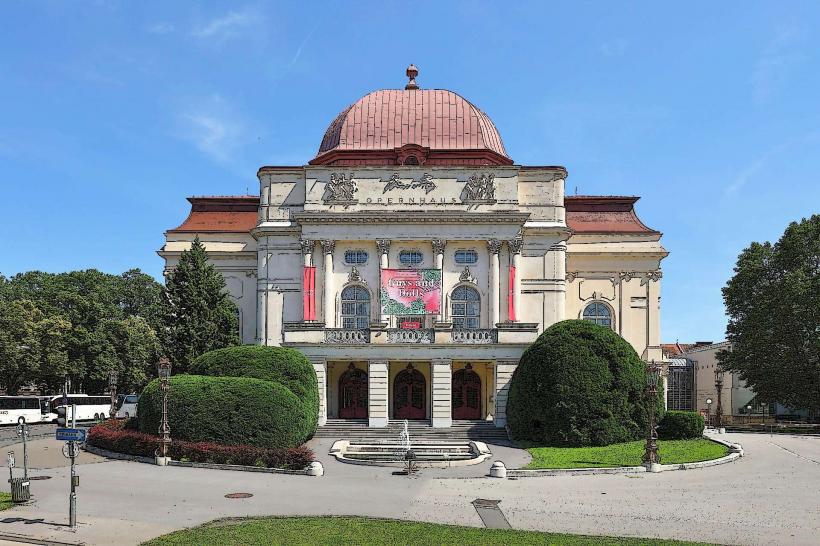
Graz Opera House – 0.4km West (from Alte Technik)
Stadtpark – 0.3km North (from Alte Technik)
Kaiser-Josef-Platz Market – 0.4km West (from Alte Technik)
LKH University Hospital – 1.2km East (from Neue Technik)