Information
Landmark: Universalmuseum JoanneumCity: Graz
Country: Austria
Continent: Europe
Universalmuseum Joanneum, Graz, Austria, Europe
The Universalmuseum Joanneum is a multidisciplinary museum organization headquartered in Graz, Styria. Established in 1811, it is the oldest public museum in Austria and the largest of its kind in Central Europe, encompassing 13 locations and over 4.5 million artifacts across various fields of science, art, and culture.
Visual Characteristics
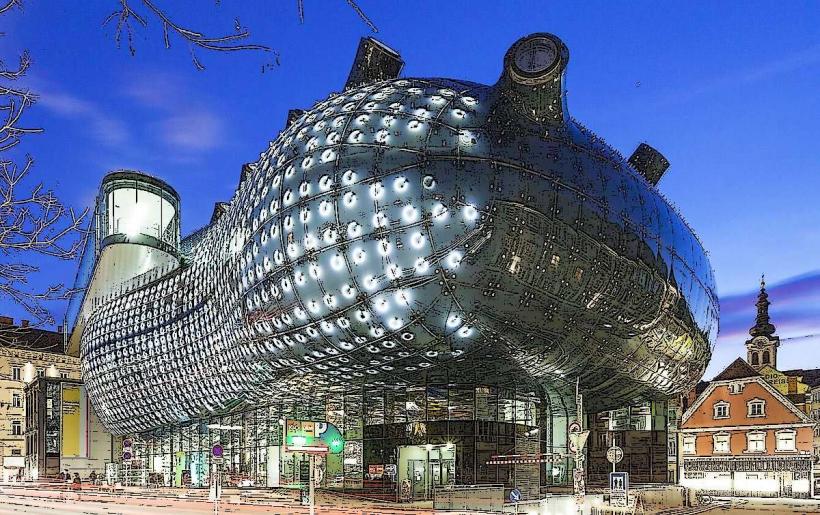
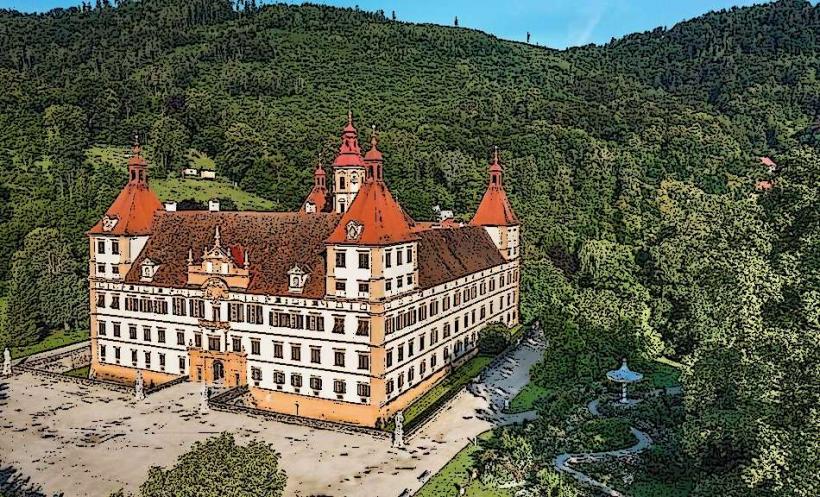
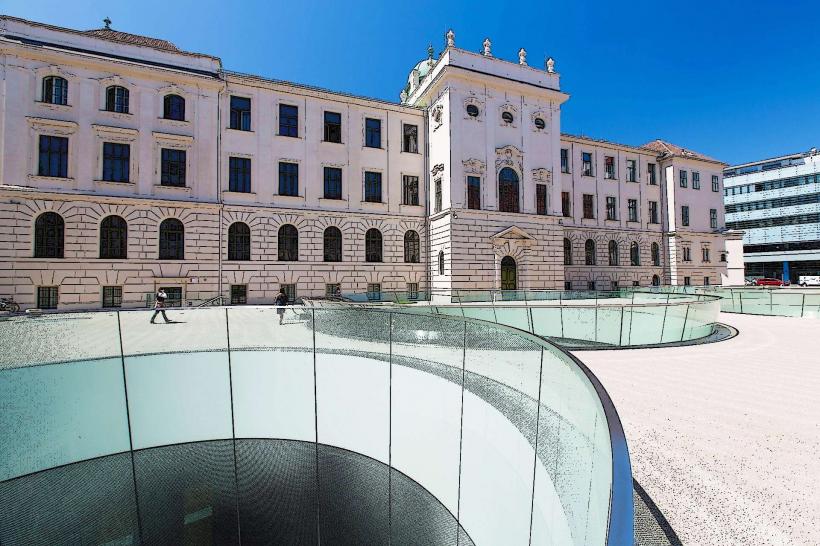
The museum does not exist as a single building but as a network of diverse architectural sites. These range from the Landeszeughaus (a 17th-century armory with original wooden racks) and the Schloss Eggenberg (a Baroque palace) to the Joanneumsviertel (a modern cultural quarter featuring subterranean glass "light cones") and the Kunsthaus Graz (the "Friendly Alien" biomorphic structure).
Location & Access Logistics
The primary administrative and visitor hub is the Joanneum Quarter located in central Graz.
Central Hub: Joanneumsviertel 1, 8010 Graz.
Public Transport: Most central locations are accessible via Tram lines 1, 3, 4, 5, 6, and 7 (stops: "Hauptplatz" or "Jakominiplatz").
Ticketing: The museum offers a "Joanneum 24-hour" or "48-hour" ticket, which provides access to all locations within the specified timeframe.
Parking: Varies by location; central sites rely on public garages such as "Operngarage" or "Pfauengarten."
Historical & Ecological Origin
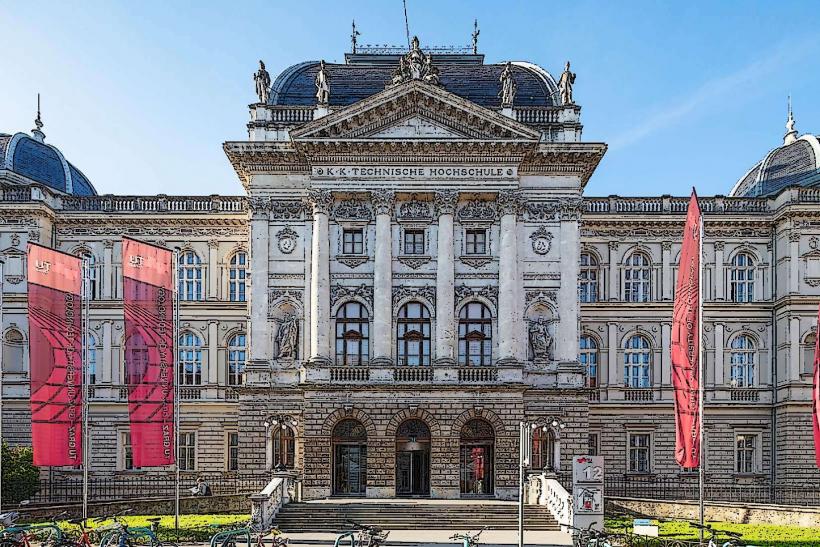
The institution was founded by Archduke Johann (the "Steirischer Prinz") with the intent to "facilitate learning and spark the desire for knowledge." It originally served as both a museum and a technical teaching facility (the precursor to TU Graz). The collections focus on the natural history, industrial development, and artistic heritage of the Alpine-Adriatic region.
Key Locations & Departments
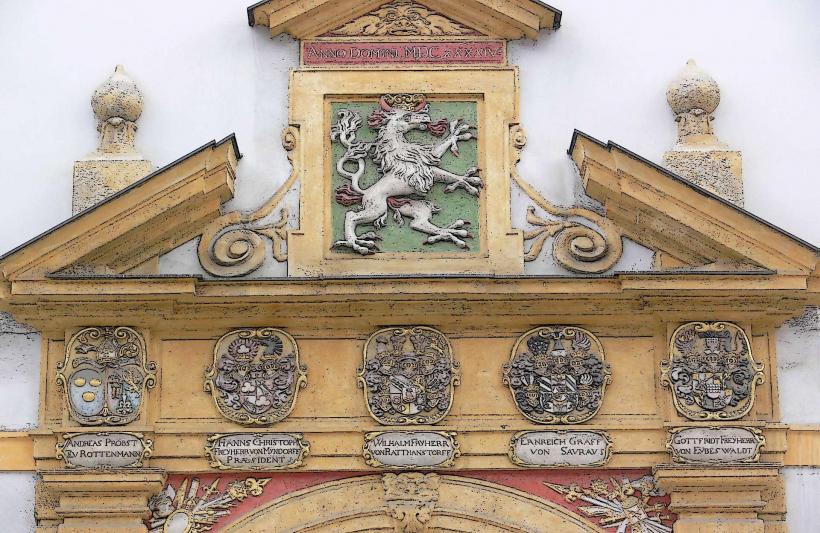
Styrian Armoury: The world's largest historic armory.
Joanneum Quarter: Houses the Natural History Museum, Neue Galerie Graz (modern art), and the Styrian State Library.
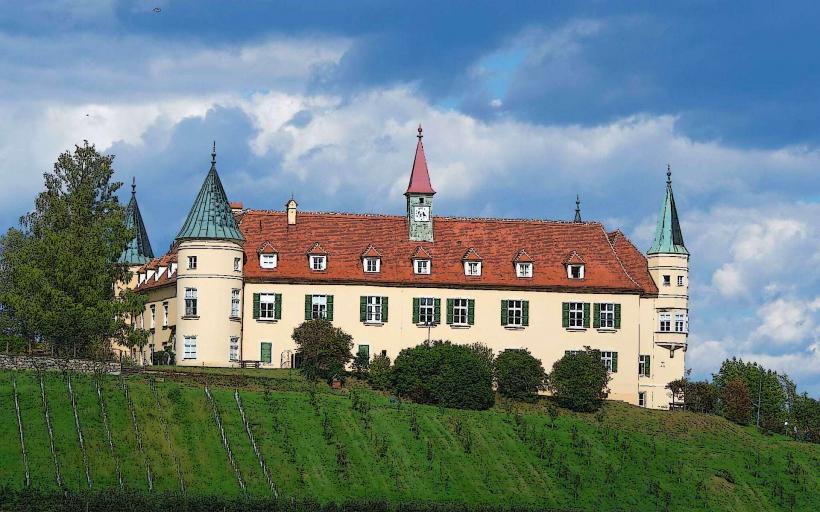
Schloss Eggenberg: Contains the State Rooms, Old Gallery (European masters), Archaeology Museum, and Coin Cabinet.
Kunsthaus Graz: Venue for contemporary art exhibitions.
Austrian Open-Air Museum Stübing: Located 15km north of Graz, featuring nearly 100 historic rural buildings.
Folk Life Museum: Focused on Styrian social history and regional traditions.
Infrastructure & Amenities
Most major sites feature museum shops, specialized libraries, and cafes (e.g., Kunsthauscafé, Joanneumsviertel Café). 5G coverage is excellent at all urban sites. Accessibility varies: the Joanneum Quarter and Kunsthaus are fully wheelchair accessible; historic sites like the Armoury or Schloss Eggenberg have restricted access to upper levels.
Best Time to Visit
Multi-day tickets are optimal for visitors intending to see more than two locations. The museums are typically open Tuesday through Sunday, 10:00–18:00; most are closed on Mondays. The first Sunday of the month often features reduced or free entry for specific groups or special programs.
Facts & Legends
A technical oddity is the museum's "Universal" status: it remains one of the few institutions globally that continues to manage both scientific (geology, zoology) and cultural (art, history) collections under a single administrative roof. Legend attributes the preservation of the Armoury's 32,000 weapons to the local population's refusal to allow Maria Theresa to move the collection to Vienna in the 18th century.
Primary Urban Sites
Joanneumsviertel – City Center
Landeszeughaus – Herrengasse
Kunsthaus Graz – Lendkai
Museum für Geschichte – Sackstraße
Volkskundemuseum – Paulustorgasse