Information
Landmark: Little VeniceCity: Mykonos
Country: Greece
Continent: Europe
Little Venice, Mykonos, Greece, Europe
Little Venice (Alefkandra) is a historic waterfront district located on the western edge of Mykonos Town (Chora). It is characterized by 18th-century Venetian-style houses with colorful wooden balconies overhanging the Aegean Sea.
Visual Characteristics
The district features two- and three-story houses with white-washed stone walls and vibrant balconies painted in primary colors (blue, red, green). These structures are built directly at the water's edge, causing waves to crash against the foundations. The terrain consists of narrow, sea-slicked stone walkways and small, pebble-strewn patches of shoreline.
Location & Access Logistics
Position: Situated between the Mykonos Windmills (Kato Mili) and the old harbor.
Access: Strictly pedestrian. Visitors enter through the labyrinthine alleys of Chora.
Transit: The nearest bus stations are Fabrika (South) and the Old Port (North), both approximately a 10-minute walk away.
Parking: Public parking is available at the peripheral lots of Chora (e.g., near the windmills), though these reach capacity early in the afternoon.
Historical & Ecological Origin
The neighborhood was primarily built during the 18th century by wealthy sea captains and merchants. The architecture was designed to allow rapid loading and unloading of goods directly from the sea into the basements of the houses. Historically, the area was also associated with piracy, as the direct sea access provided ideal conditions for clandestine operations. The name "Alefkandra" refers to the local women who used the area for washing laundry (lefkaivo meaning "to whiten").
Key Highlights & Activities
Sunset Observation: Regarded as the premier sunset viewpoint on the island, where the sun sets directly over the sea and the neighboring island of Delos.
Dining: The ground floors of the historical houses have been converted into high-density bars and cafes with waterfront seating.
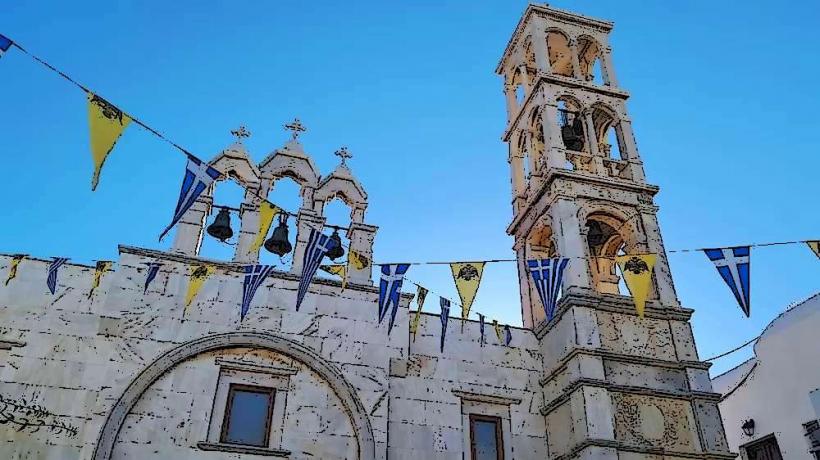
Panagia Paraportiani: One of the most famous Byzantine churches in Greece, located at the northern edge of the district.
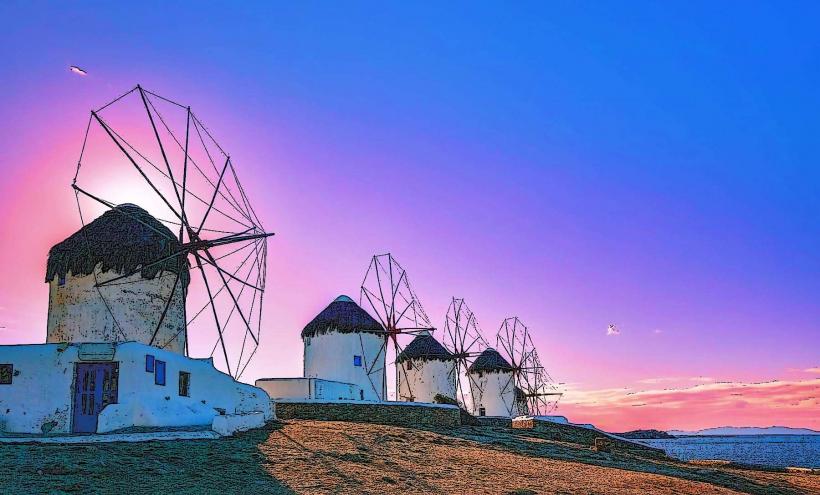
The Windmills (Kato Mili): A row of five iconic 16th-century windmills overlooking the district from the southern hill.
Infrastructure & Amenities
Infrastructure is limited to commercial hospitality establishments. The stone paths are frequently wet and can be slippery; stable footwear is required. 5G cellular signal is stable but experiences congestion during peak sunset hours. There are no public restrooms in the immediate district; visitors must utilize those in cafes or near the Fabrika bus station.
Best Time to Visit
Photography: Early morning (07:00–09:00) offers soft light and empty walkways.
Sunset: Highly congested. Secure seating at a waterfront bar at least 60–90 minutes before sundown is standard.
Winter: Many establishments close from November to March, but the district remains accessible for walking and viewing the sea during storm events.
Facts & Legends
A verified architectural fact is that the balconies were built with wood to withstand the corrosive effect of salt spray better than stone or iron. Local lore suggests that some of the basements still contain hidden trapdoors used by pirates to store and move contraband directly from their ships into the heart of the town.
Nearby Landmarks
Mykonos Windmills (Kato Mili): 0.2km South
Old Port of Mykonos: 0.5km North
Panagia Paraportiani Church: 0.1km North
Matoyianni Street: 0.3km East