Information
Landmark: Lokobe ReserveCity: Nosy Be
Country: Madagascar
Continent: Africa
Lokobe Reserve, Nosy Be, Madagascar, Africa
Lokobe Reserve is a protected rainforest area situated on the southeastern tip of Nosy Be island, Madagascar. It is the last remaining primary forest on the island, preserving a high degree of biodiversity.
Visual Characteristics
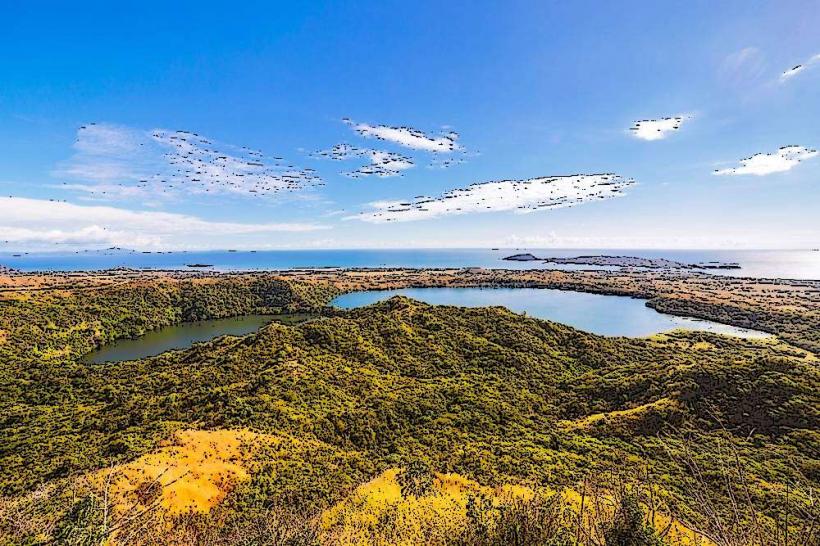
The reserve is characterized by dense, humid tropical rainforest with a multi-layered canopy reaching heights of over 20 meters. Dominant vegetation includes endemic palm species, giant ferns, and various hardwoods. The forest floor is covered with thick undergrowth and mosses. Small streams and waterfalls are present, particularly during the wet season. The coastline features mangrove forests and volcanic rock formations.
Location & Access Logistics
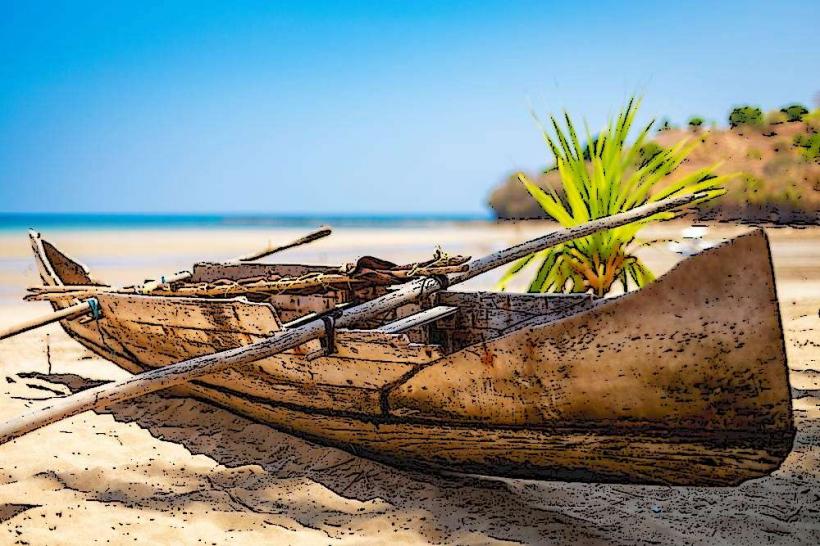
Lokobe Reserve is located approximately 15 kilometers southeast of Andoany (Hell-Ville), the main town on Nosy Be. Access is primarily by traditional dugout canoe (pirogue) from the fishing village of Ambatozavavy. To reach Ambatozavavy, a taxi or tuk-tuk can be taken from Andoany (approximately 30-45 minutes drive on a paved road). The pirogue journey to the reserve's entry point, typically near the village of Ampasipohy, takes about 45 minutes to 1 hour, depending on sea conditions and tide. There are no roads within the reserve itself; all exploration is on foot via designated trails. Parking is available in Ambatozavavy for private vehicles.
Historical & Ecological Origin
Established in 1927, Lokobe Reserve was designated as a Strict Nature Reserve (Réserve Naturelle Intégrale) to protect its unique ecosystem. It represents a relict of the original lowland rainforest that once covered Nosy Be. The island of Nosy Be itself is of volcanic origin, contributing to the fertile soils that support the dense vegetation. The reserve's primary purpose is the conservation of its endemic flora and fauna, including several lemur species and reptiles.
Key Highlights & Activities
Guided forest walks are the primary activity, focusing on wildlife observation. Visitors can observe the black lemur (Eulemur macaco macaco), Nosy Be sportive lemur (Lepilemur tymerlachsoni), and various chameleon species, including the panther chameleon (Furcifer pardalis). Birdwatching is possible, with species like the Madagascar pygmy kingfisher. Visits to the local fishing village of Ampasipohy offer insight into traditional life. Swimming is possible at certain coastal points, depending on local conditions.
Infrastructure & Amenities
Infrastructure within the reserve is minimal. There are no formal restrooms or dedicated visitor centers inside the forest. Basic, rustic latrines may be available near the entry village of Ampasipohy. Shade is abundant due to the dense forest canopy. Cell phone signal (4G/5G) is generally unreliable or non-existent within the deeper parts of the reserve, though it may be present near the coastal villages. Food vendors are typically found in Ampasipohy, offering simple meals prepared by local villagers.
Best Time to Visit
The dry season, from May to October, is the most favorable time to visit due to lower humidity and less rainfall, making forest trails easier to navigate. Early morning (7:00 AM - 9:00 AM) is optimal for wildlife viewing, as lemurs and birds are most active during these hours. Photography benefits from the softer light filtering through the canopy in the morning. Access by pirogue is less affected by rough seas during the dry season.
Facts & Legends
Lokobe Reserve is the only place in the world where the black lemur (Eulemur macaco macaco) can be found in its natural habitat. Local folklore suggests that certain ancient trees within the reserve are inhabited by ancestral spirits, and visitors are advised to show respect by not disturbing the forest. A specific tip for visitors is to wear sturdy, closed-toe shoes and long trousers to protect against insects and thorny vegetation.
Nearby Landmarks
- Andoany (Hell-Ville): 15km Northwest
- Mont Passot: 25km Northwest
- Nosy Komba (Lemur Island): 10km West (across the channel)
- Madirokely Beach: 20km Northwest
- Nosy Tanikely Marine Park: 15km Southwest (by boat)