Information
Landmark: Nosy Tanikely Marine ReserveCity: Nosy Be
Country: Madagascar
Continent: Africa
Nosy Tanikely Marine Reserve, Nosy Be, Madagascar, Africa
Nosy Tanikely Marine Reserve is a protected marine park located off the southwest coast of Nosy Be, Madagascar. It is primarily recognized for its diverse underwater ecosystem and coral reefs.
Visual Characteristics
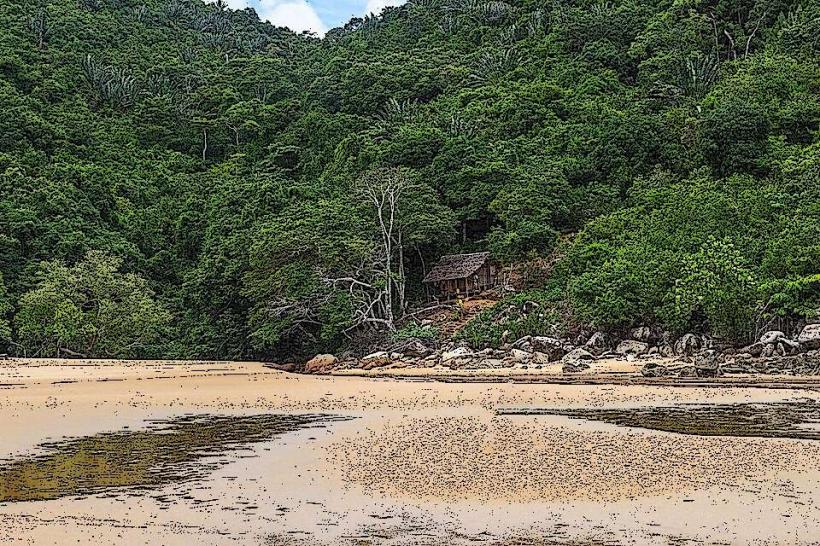
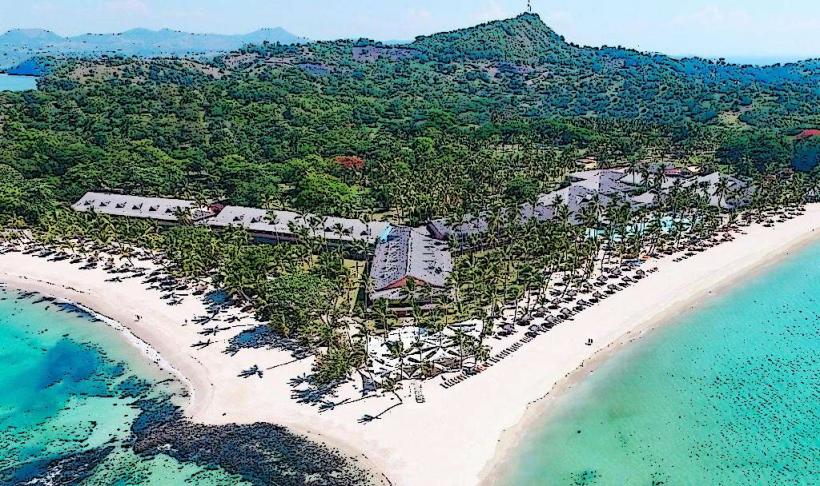
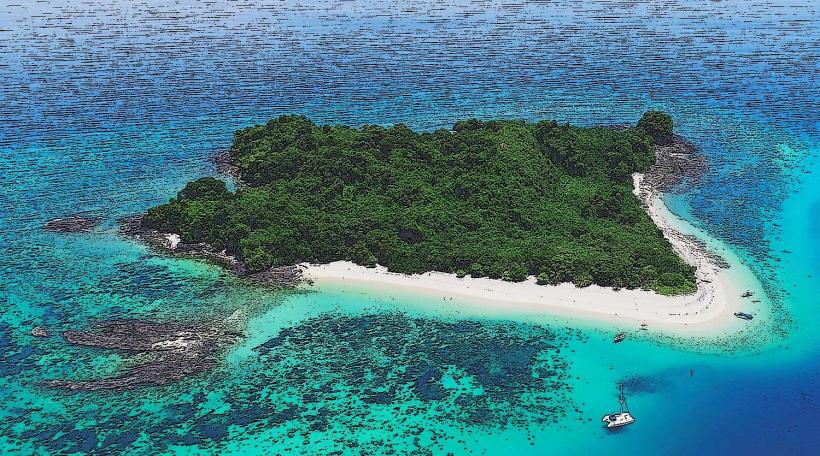
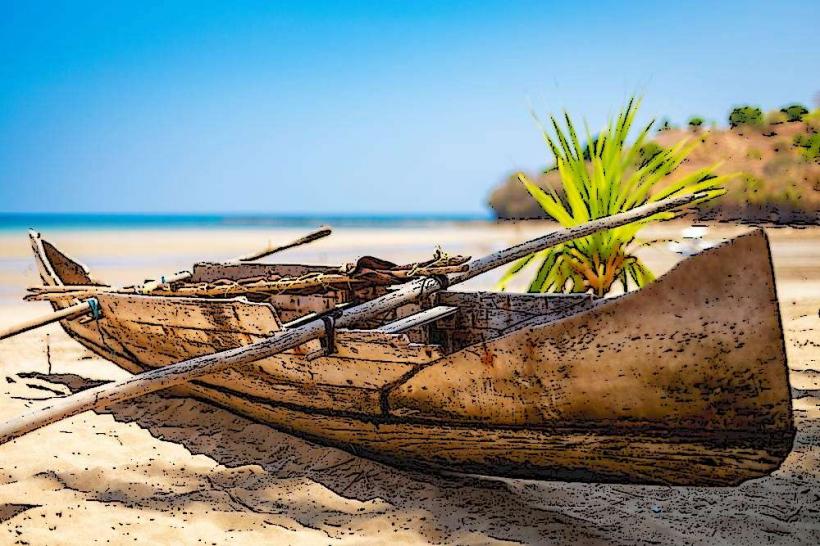
The reserve encompasses a small, uninhabited island with white sand beaches and sparse coastal vegetation. Underwater, the visibility is typically high, revealing extensive coral formations, including brain corals and fan corals, in waters that range from light turquoise near the shore to deeper blue further out. The marine environment supports a variety of colorful reef fish and sea turtles.
Location & Access Logistics
Access to Nosy Tanikely Marine Reserve is exclusively by boat. It is situated approximately 10 kilometers southwest of Hell-Ville, the main town on Nosy Be. Tour operators and private boat charters depart from various points on Nosy Be, including the beaches of Madirokely and Ambatoloaka. The boat journey typically takes 30-60 minutes depending on the departure point and sea conditions. There is no parking on the island itself; vehicles are typically left at the departure points on Nosy Be.
Historical & Ecological Origin
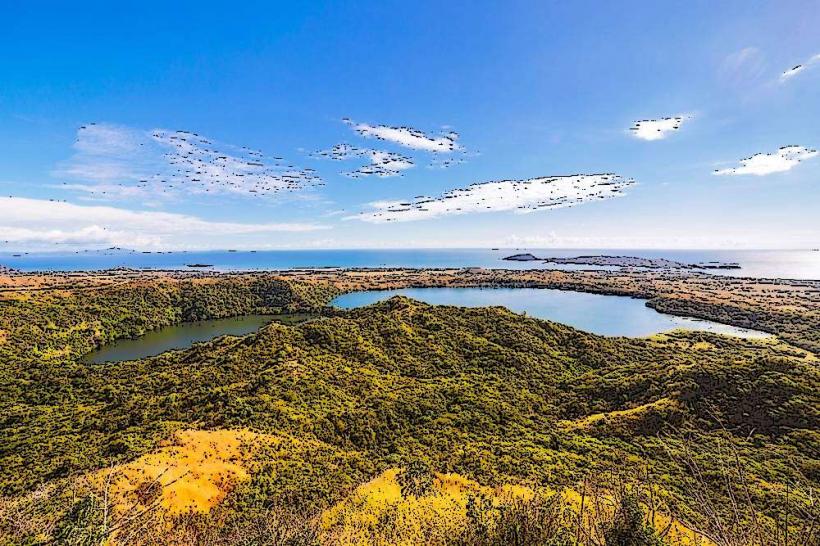
Nosy Tanikely Marine Reserve was established as Madagascar's first national marine park in 1993, designated to protect its significant coral reef ecosystem. The small island itself is of volcanic origin, providing a substrate for the extensive development of both hard and soft coral species over geological time. The reserve is classified as a coral reef ecosystem, supporting high biodiversity.
Key Highlights & Activities
The primary activity at Nosy Tanikely Marine Reserve is snorkeling, offering direct observation of diverse marine life including clownfish, angelfish, barracudas, and sea turtles in shallow waters. Scuba diving is also a prominent activity, with several dive sites around the island catering to different experience levels. Visitors can swim in the clear waters or relax on the sandy beaches of the uninhabited island.
Infrastructure & Amenities
Basic composting restrooms are available on the island. Natural shade is limited to sparse trees; some tour operators provide temporary shade structures. Cell phone signal (4G/5G) is generally present but can be intermittent depending on location and network provider. There are no permanent food vendors on Nosy Tanikely; most visitors bring packed lunches or are provided meals by their tour operators.
Best Time to Visit
The optimal time to visit Nosy Tanikely Marine Reserve is during the dry season, from May to November, when sea conditions are typically calm and skies are clear. Underwater visibility is consistently high during these months. Visiting in the morning often provides the calmest waters and fewer tour boats. Snorkeling and diving are feasible throughout the day, independent of specific tidal requirements.
Facts & Legends
The name Tanikely translates to 'small land' in the Malagasy language, accurately describing the island's modest size. The reserve is particularly noted for its significant population of green sea turtles and hawksbill sea turtles, which are frequently observed by snorkelers and divers. A practical tip for visitors is to use reef-safe sunscreen to help protect the delicate coral ecosystem.
Nearby Landmarks
- Nosy Komba: 8km East
- Nosy Sakatia: 12km North-Northeast
- Hell-Ville (Nosy Be): 10km Northeast
- Mont Passot (Nosy Be): 18km Northeast