Information
Landmark: Mayowood MansionCity: Rochester MN
Country: USA Minnesota
Continent: North America
Mayowood Mansion, Rochester MN, USA Minnesota, North America
Mayowood Mansion – Detailed Overview
Rochester, Minnesota
1. Historical and Cultural Significance
Mayowood Mansion was built in 1911 as the family estate of Dr. Charles Horace Mayo and his wife, Edith, founders of the world-renowned Mayo Clinic. The mansion remained a private family home for three generations of the Mayo family and was a central gathering place for medical pioneers and community leaders throughout the 20th century. It symbolizes the Mayo family’s legacy not only in advancing medical science but also in their commitment to community service and philanthropy.
In recognition of its historical importance, Mayowood Mansion was added to the National Register of Historic Places in 1970. Today, it operates as a museum preserving the personal history, achievements, and lifestyle of one of Rochester’s most influential families.
2. Architecture and Design
The mansion is a five-story, 38-room concrete structure notable for its eclectic architectural style, combining Spanish, French, German, and American influences. The design reflects both the period’s grand estate style and the Mayo family’s cosmopolitan tastes, shaped by extensive travels abroad.
Key architectural features include:
Concrete construction: Uncommon for residential buildings of its era, the choice of concrete provided durability and fire resistance.
Elaborate woodwork and craftsmanship: Throughout the home, finely crafted details appear in the moldings, staircases, and cabinetry.
Interior design: Furnishings and decorative arts were collected from around the world, showcasing global influences. Rich textiles, fine art, and period-appropriate antiques fill the rooms.
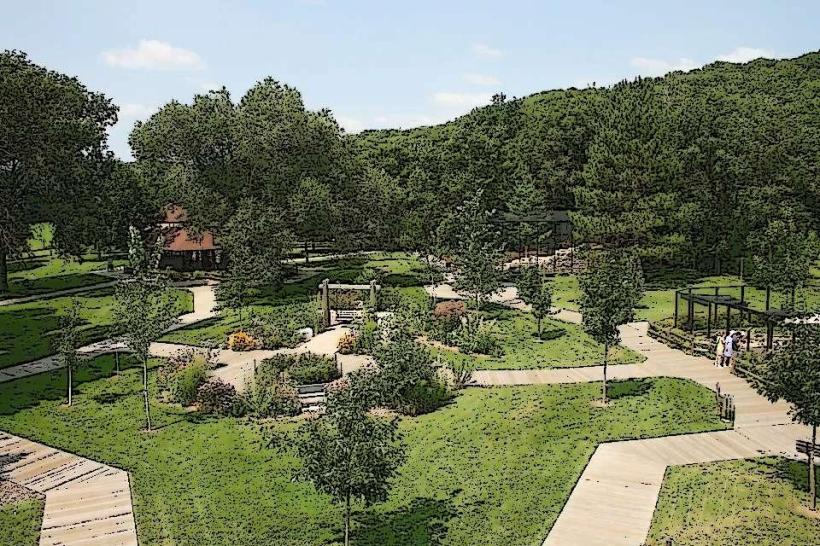
Gardens and terrace: The mansion is complemented by extensive, beautifully maintained gardens and terraces overlooking the scenic Zumbro River valley, offering a serene natural backdrop to the stately home.
3. Interior Highlights
Visitors touring Mayowood Mansion encounter a richly preserved early 20th-century environment illustrating the domestic life of a prominent medical family.
Living spaces: Formal parlors, dining rooms, and sitting areas retain original furnishings and décor, providing insight into the social and family life of the Mayos.
Library and study: Reflecting the intellectual pursuits of the family, these rooms contain collections of books, medical journals, and personal documents.
Bedrooms: Several bedrooms are open to visitors, showcasing period furniture and the personal tastes of various family members.
Kitchen and service areas: These rooms reveal early 1900s domestic technology and the operational side of maintaining such a large estate.
Special rooms: The mansion also includes spaces used for hosting dignitaries, meetings, and private reflection, illustrating the blend of personal and professional spheres in the family’s life.
4. The Estate Grounds
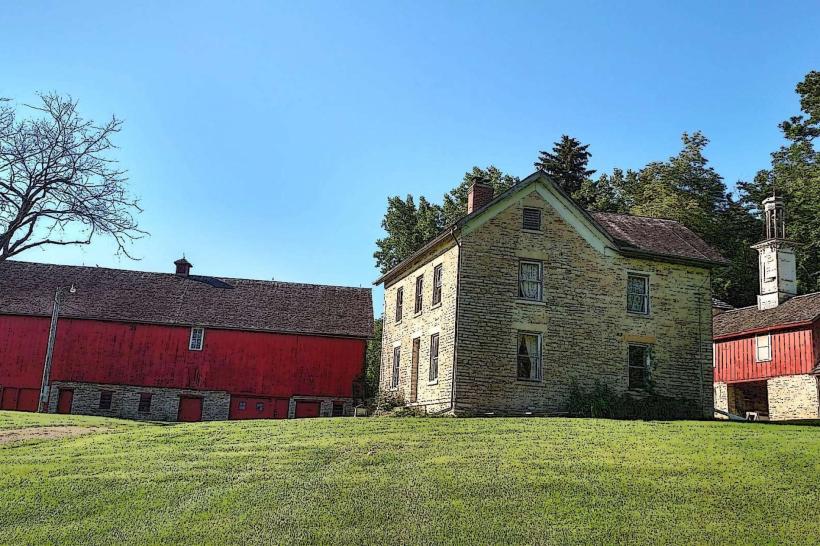
Originally, Mayowood was part of a sprawling 3,000-acre estate. Today, the grounds are smaller but still feature extensive landscaping:
Formal gardens with perennial flower beds and manicured lawns.
Terrace overlooking the Zumbro River offering panoramic views and a peaceful setting for visitors.
Walking paths weaving through the grounds, ideal for contemplative strolls and connecting with nature.
The grounds reflect the Mayos’ appreciation for natural beauty and provide a quiet retreat from the city bustle.
5. Tours and Visitor Experience
Mayowood Mansion is open to the public primarily through guided tours which run seasonally, typically from spring through mid-fall. These tours last about one hour and are led by knowledgeable guides who share stories about the family, the architecture, and the historical context of the estate.
Tour highlights include personal anecdotes about the Mayo family, insights into the founding of the Mayo Clinic, and detailed descriptions of the mansion’s design and furnishings.
Group tours are available by special arrangement, accommodating educational groups, history enthusiasts, and community organizations.
The mansion’s museum experience offers a unique window into early 20th-century upper-class Midwestern life intertwined with medical innovation.
6. Special Events and Educational Programs
Throughout the year, Mayowood hosts various special events designed to deepen public engagement with the Mayo legacy and local history:
Seasonal open houses and themed tours.
Lectures and presentations focusing on history, architecture, and medicine.
Cultural and community gatherings in the estate’s grounds.
Educational collaborations with local schools and historical societies ensure the mansion remains a vibrant cultural resource.
7. Access and Amenities
Location: 3720 Mayowood Road SW, Rochester, MN. The mansion is situated in a residential area just southwest of downtown Rochester.
Admission: Paid admission with discounts for children, seniors, and groups.
Visitor facilities include a gift shop featuring books and memorabilia related to the Mayo family and Rochester’s medical history.
Parking is available on-site, and the grounds are wheelchair accessible, although some parts of the historic mansion may have limited accessibility due to its age and structure.
Summary
Mayowood Mansion stands as a historic jewel that offers an intimate look at the personal and professional world of the Mayo family, whose impact on modern medicine resonates globally. The estate’s grand architecture, rich collections, and beautifully maintained grounds create a compelling destination for visitors interested in history, architecture, medicine, and heritage preservation. It preserves the memory of a family whose pioneering spirit helped shape Rochester and the broader medical community, making it a must-visit site for cultural and historical exploration.