Information
City: Rochester MNCountry: USA Minnesota
Continent: North America
Rochester MN, USA Minnesota, North America
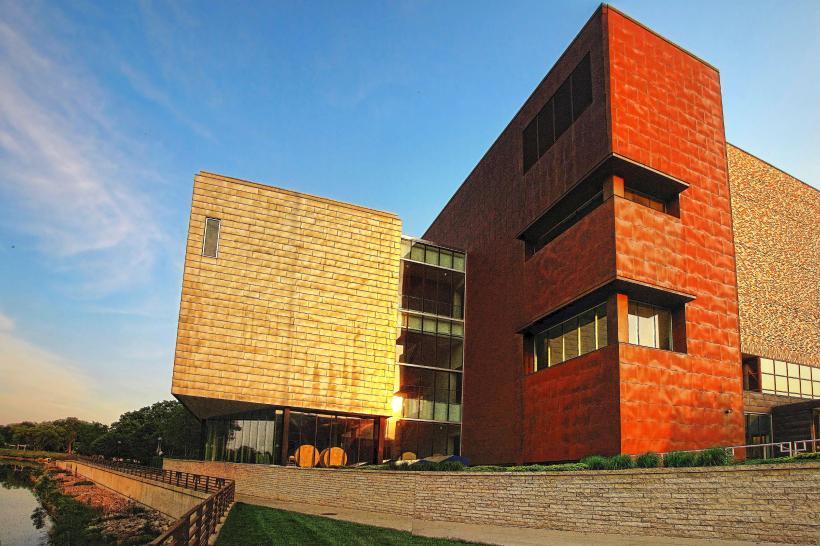
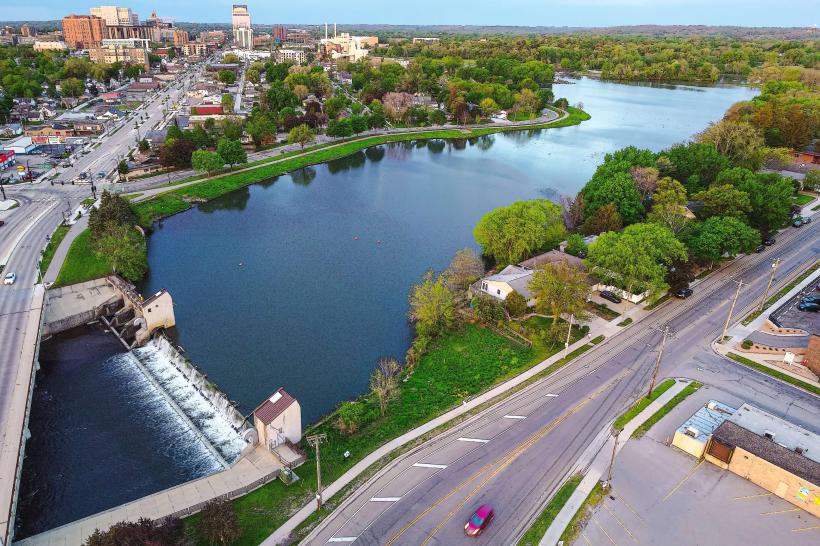
Rochester is an independent city and the seat of Olmsted County, located in the rolling bluffs of the Zumbro River valley. It is the third-largest city in Minnesota, defined almost entirely by its status as the birthplace and global headquarters of the Mayo Clinic. It is a premier international destination for specialized medical care, often referred to as "Med City."
Historical Timeline
Inhabited by the Dakota, Ojibwe, and Ho-Chunk peoples. Primary governance began with its 1854 founding by George Head. A critical historical event was the 1883 Rochester Tornado, which devastated the town and lacked a local hospital to treat the injured. This disaster led Mother Alfred Moes of the Sisters of St. Francis to partner with Dr. W.W. Mayo to open Saint Marys Hospital in 1889. The 20th century saw the formalization of the Mayo Clinic (1914), which introduced the "unit medical record" system-a global standard. The 21st century is defined by the Destination Medical Center (DMC) initiative, a multi-billion dollar, 20-year economic development plan to solidify Rochester as a global "biotech" and "medical hub."
Demographics & Population
The population is approximately 124,000 (Metro area ~230,000). The demographics are White (74%), Black or African American (9%), Asian (8%), and Hispanic or Latino (6%). The economy is heavily weighted toward healthcare and social assistance; Mayo Clinic is the state’s largest private employer with over 35,000 local staff.
Urban Layout & Key Districts
The city is organized on a grid, with a dense, vertical downtown surrounded by suburban sprawl.
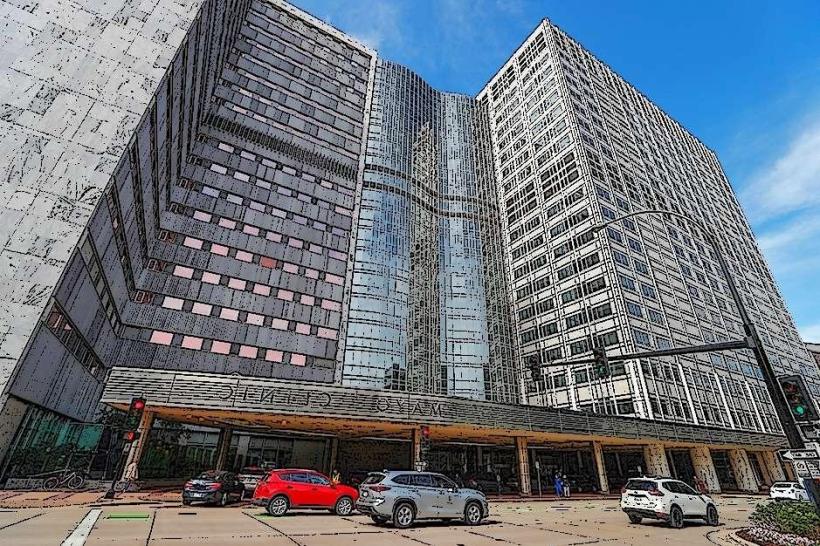
Downtown / Mayo Core: The high-density center featuring the Mayo and Gonda buildings, connected by an extensive subway and skyway system to protect patients and staff from the climate.
East Avenue Preservation District: The oldest and largest historic district, featuring well-preserved late 19th-century architecture.
Lowertown: A redeveloping area north of the downtown core focused on creative businesses and residential lofts.
Kutzky Park: A historic neighborhood west of downtown, popular with Mayo staff and featuring a mix of Victorian and mid-century homes.
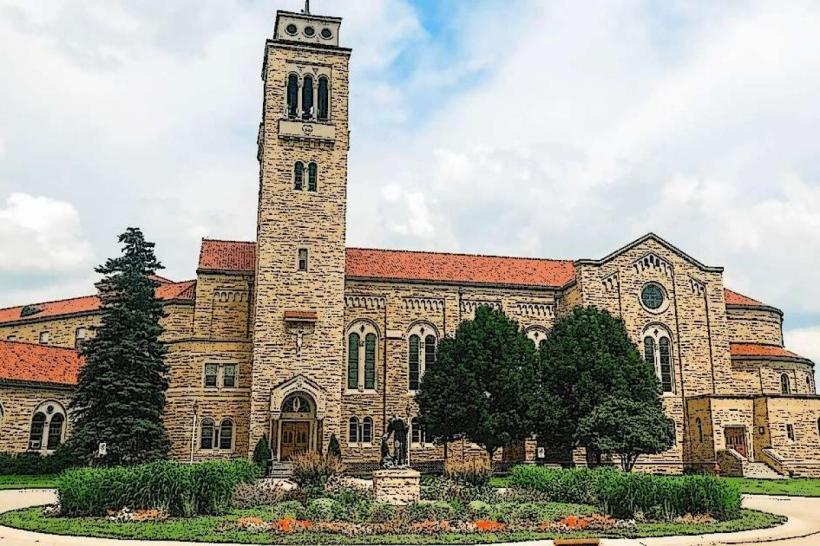
Assisi Heights: A prominent hill northwest of downtown, home to the spiritual center and convent of the Sisters of Saint Francis.
Top City Landmarks
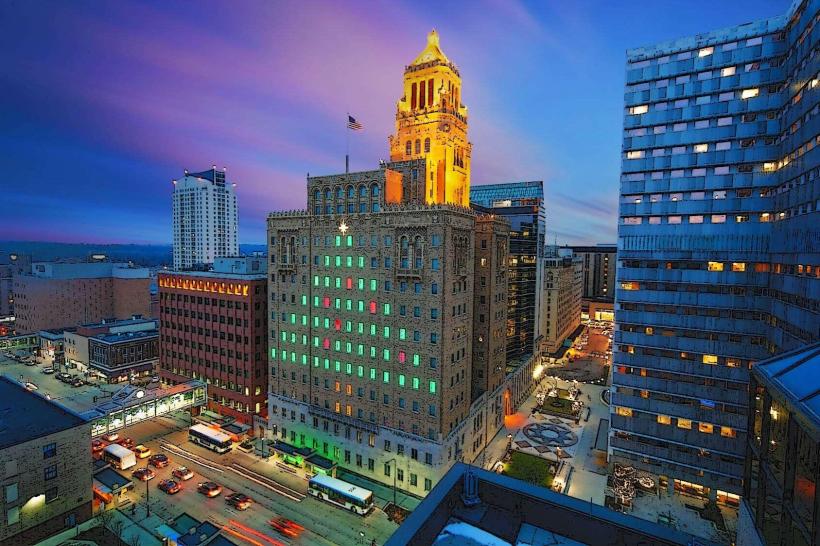
Plummer Building: A 1928 National Historic Landmark with a distinctive 56-bell carillon; it serves as the aesthetic symbol of the Mayo Clinic.
Mayo Clinic Gonda Building: A massive, light-filled architectural landmark designed for integrated outpatient care.
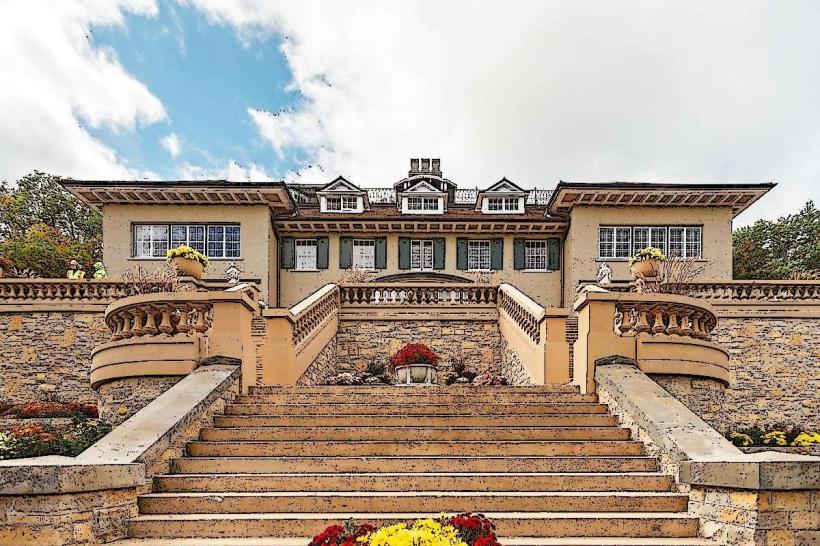
The Plummer House: An 11-acre English Tudor estate once belonging to Dr. Henry Plummer, now a public park and historic site.
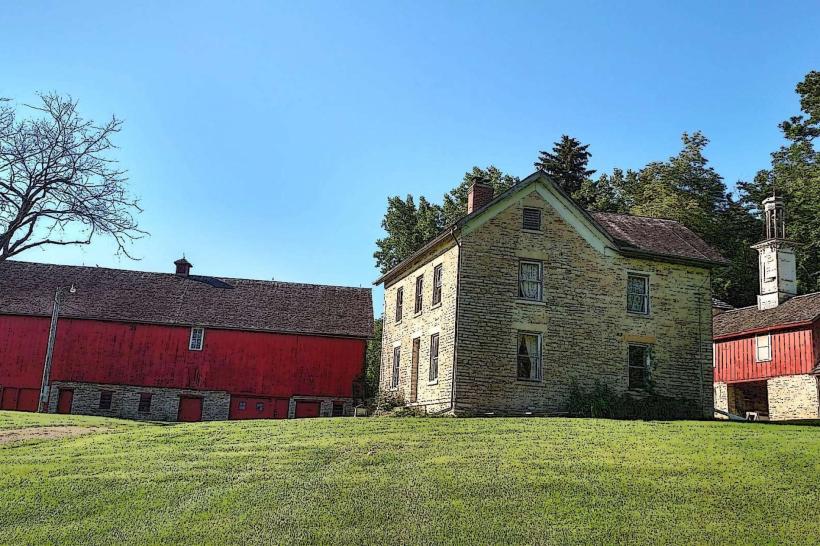
Mayowood Mansion: The historic country estate of Dr. Charlie Mayo, featuring over 3,000 pieces of art and antiques.
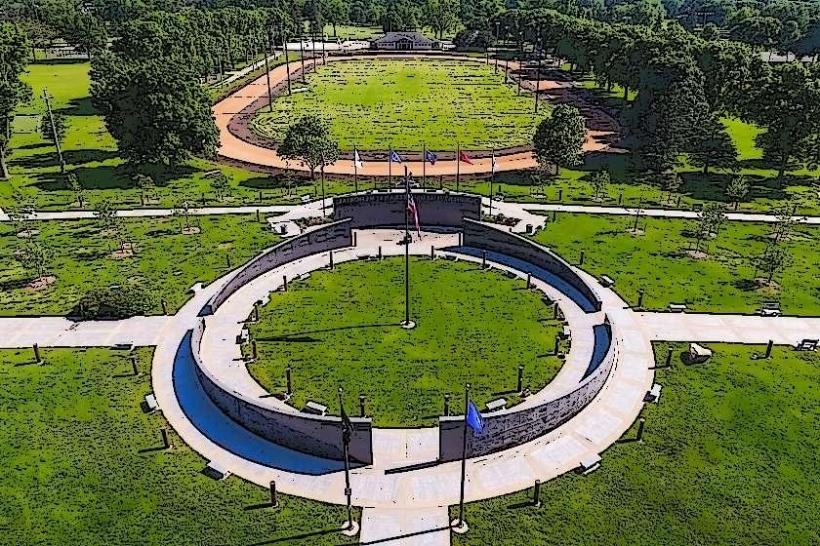
Soldiers Field Veterans Memorial: A massive granite memorial honoring service members from Southeast Minnesota.
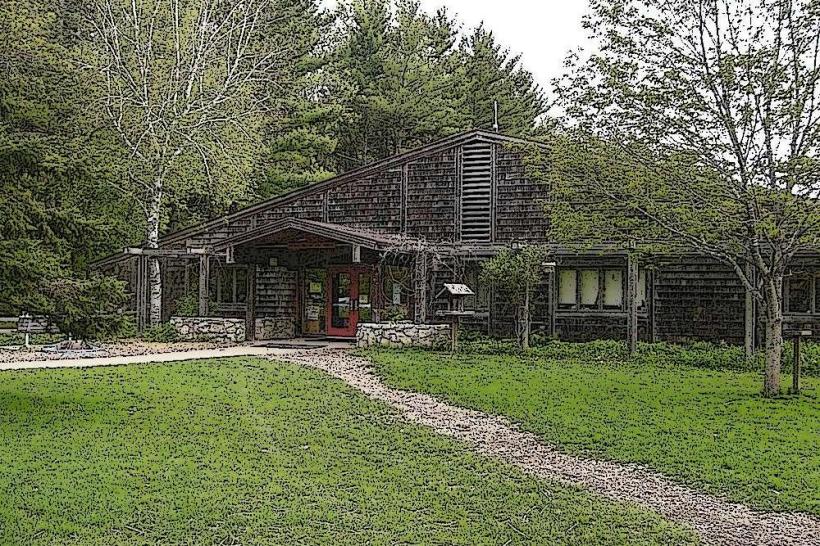
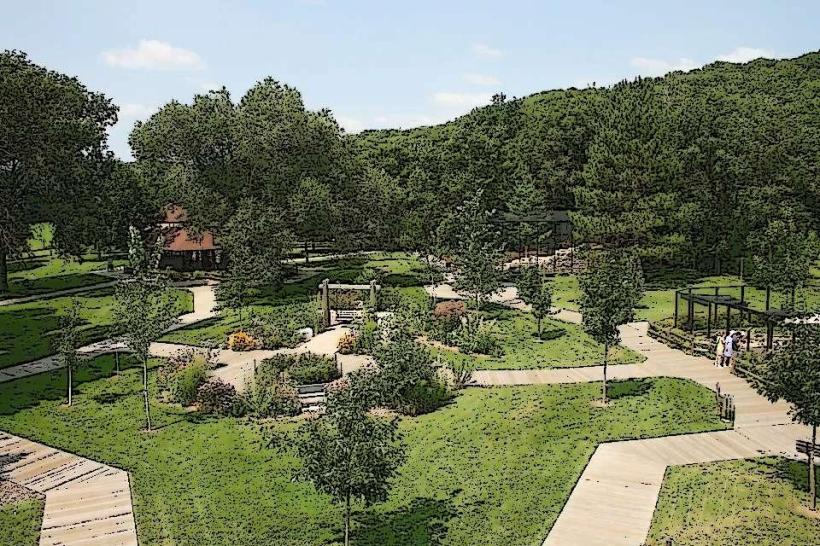
Quarry Hill Nature Center: A 329-acre park featuring a sandstone cave, fossil pits, and extensive hiking trails.
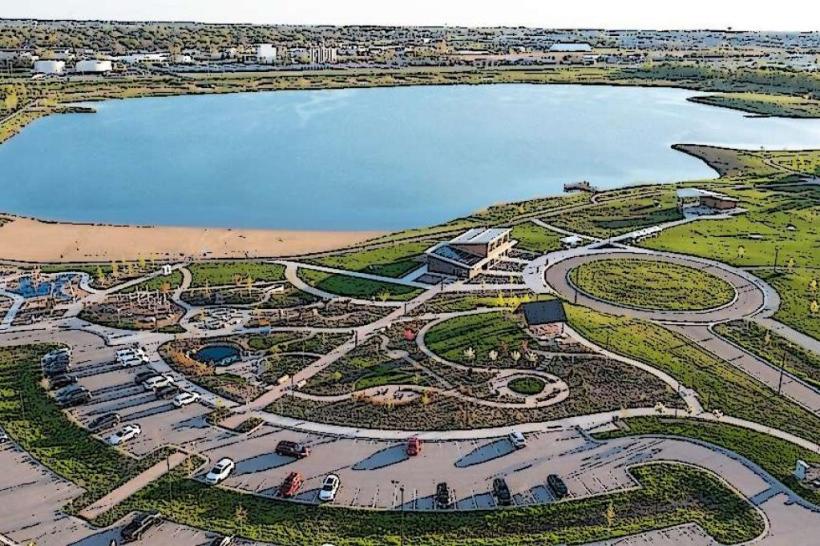
Silver Lake Park: Known for its massive population of non-migratory Canada Geese and paddleboat rentals.
Transportation Network
Movement is automotive-centric but supported by the Rochester Public Transit (RPT) bus system. The city is a major junction for US-52, US-14, and US-63. The Downtown Subway and Skyway system allows for pedestrian transit across several city blocks without outdoor exposure. Commercial air service is via Rochester International Airport (RST).
Safety & "Red Zones"
The general safety level is exceptionally high. Property crime is low relative to state averages. There are no "red zones," though areas near the Marion Road corridor in the southeast and the North Broadway area have slightly higher rates of localized property crime. Environmental hazards include extreme wind (consistently ranked as one of the windiest cities in the U.S.) and flash flooding in the Zumbro River valley.
Digital & Financial Infrastructure
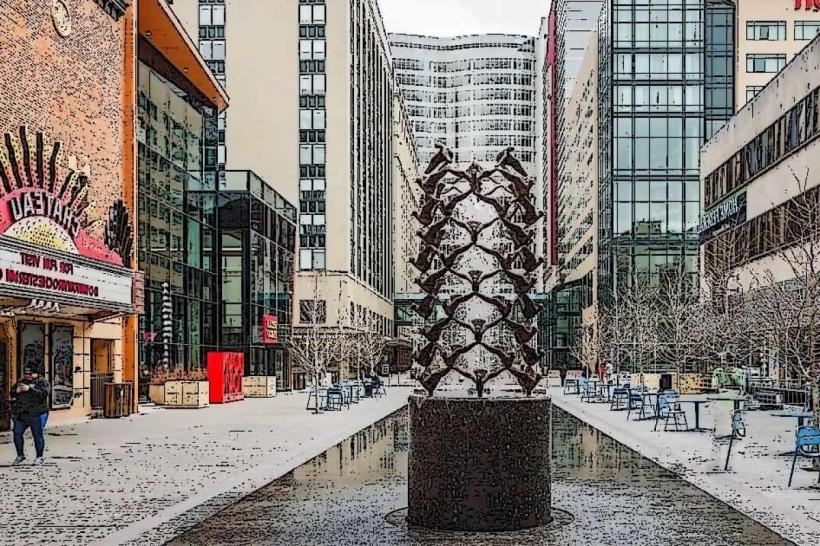
Internet speeds average 500+ Mbps with fiber availability via Metronet and Spectrum. Main mobile carriers are Verizon and AT&T. Card acceptance is 100%. ATMs are concentrated in the Mayo Clinic campus and Peace Plaza.
Climate & Air Quality
Temperatures range from -16°C to -4°C in winter and 16°C to 28°C in summer. Rochester is subject to the "Driftless Area" weather patterns, resulting in frequent thunderstorms and high wind speeds (average 12.6 mph). Air quality is pristine.
Culture & Social Norms
The standard tipping percentage is 20%. A "Quiet-Professional" greeting is standard, reflecting the city's patient-focused atmosphere. Dress codes are "Business-Casual" (often including medical scrubs). The city is culturally defined by its Philanthropic History, its status as a global medical crossroads, and its quiet, family-oriented lifestyle.
Local Cost Index
1 Espresso: $4.50 (USD)
1 Standard Lunch: $17.00 (USD)
1 Historical Tour Ticket: $10.00–$20.00.
Nearby Day Trips
Lanesboro, MN: (65 km southeast; the "Bed & Breakfast Capital of Minnesota" located on a premier bike trail).
Red Wing, MN: (75 km north; famous for its shoes, pottery, and Mississippi River bluffs).
Mantorville, MN: (25 km west; a strictly preserved 19th-century historic village).
Facts & Legends
Rochester is the second windiest city in the United States. Historically, the first CT scanner in North America was installed here (1972). A local legend involves the "Underground Tunnels," a vast, rumored network of passages beyond the official skyways used for discrete transport of high-profile patients. Another legend concerns the "Lady in White" at the Hotel Kahler, a spectral figure said to be a former patient who never checked out.