Information
Landmark: Medina of TozeurCity: Tozeur
Country: Tunisia
Continent: Africa
Medina of Tozeur, Tozeur, Tunisia, Africa
The Medina of Tozeur, also known as Ouled el-Hadef, is the historic heart of Tozeur, a city in southwestern Tunisia near the edge of the Sahara Desert. It is one of the most distinctive and best-preserved traditional quarters in southern Tunisia, notable for its unique architectural style, intricate brickwork, and deep cultural heritage.
1. Historical Background
Foundation: The Medina dates back to the 14th century and flourished during the Hafsid period. However, Tozeur had existed as a settlement since much earlier, with records from pre-Islamic and Roman times (when it was called Tusuros).
The quarter of Ouled el-Hadef was established by an influential local clan and has remained relatively unchanged for centuries, preserving its traditional appearance and layout.
2. Urban Layout
The Medina has a labyrinthine street pattern, characterized by narrow, winding alleys, cul-de-sacs, and covered passages (sabat), designed for both security and protection from the desert climate.
The buildings are closely packed to provide shade and reduce heat. The use of overhanging structures connects houses across streets and helps retain cool air.
The streets were intentionally irregular, making it difficult for invaders to navigate, while also encouraging airflow.
3. Distinctive Architecture
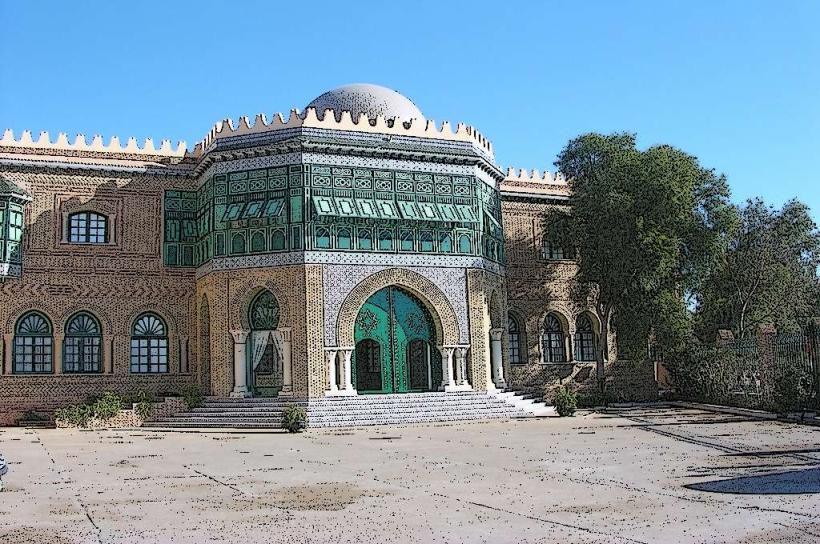
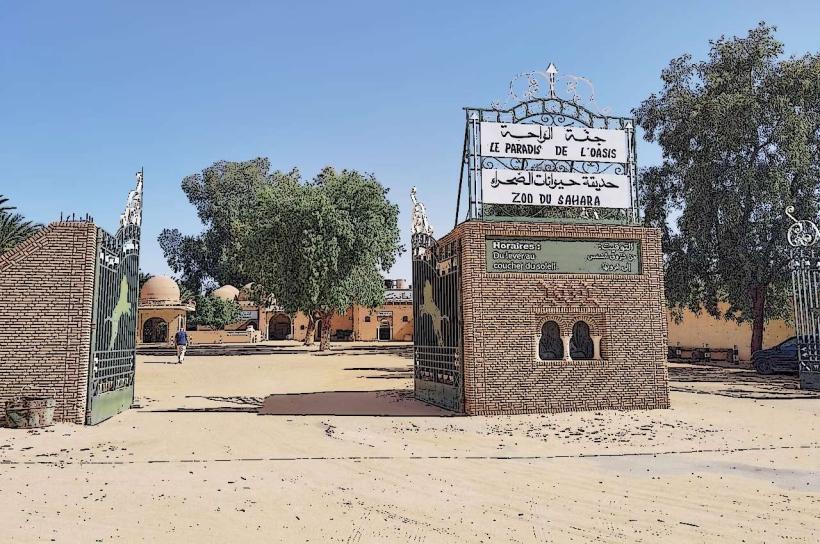
The Medina of Tozeur is famous for its ornamental brickwork, which sets it apart from other medinas in Tunisia.
Materials:
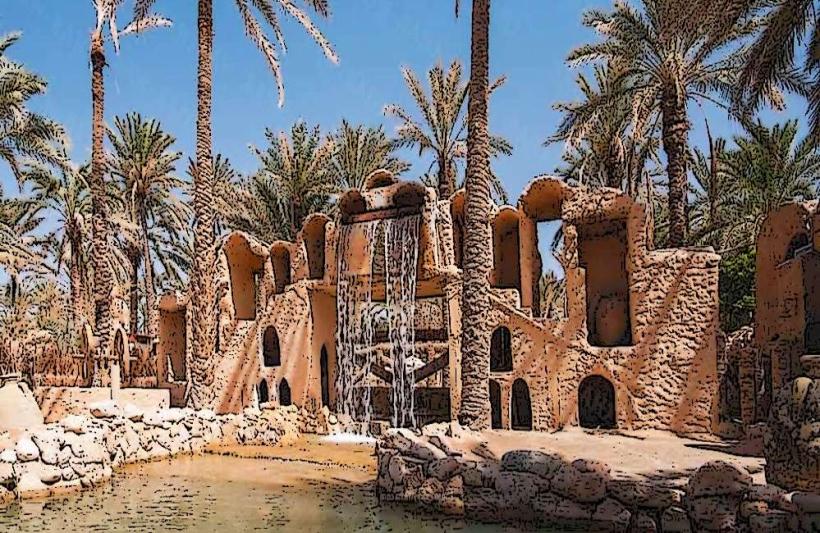
Structures are primarily made of mud bricks (adobe) and locally fired bricks in warm ochre and sandy tones.
Bricks are small, rectangular, and laid in elaborate geometric patterns.
Decorative Patterns:
The façades of houses and walls feature zigzags, chevrons, diamonds, and squares in relief.
These motifs often have symbolic or tribal significance and are unique to Tozeur.
Wooden Doors and Windows:
Traditional carved wooden doors are painted in vivid blues or greens and often studded with metal.
Some feature Kufic script or Berber motifs, adding to the decorative richness.
Mashrabiya-style windows (latticed balconies) are used for privacy and ventilation.
4. Cultural and Social Life
The Medina is still inhabited and serves as a living historic quarter, not merely a preserved site.
Inside the Medina are mosques, kuttabs (Qur’anic schools), family zawiyas (religious lodges), and caravanserais, reflecting Tozeur’s role in trans-Saharan trade.
The Ouled el-Hadef Mosque, with its brick minaret, is a central feature of the neighborhood.
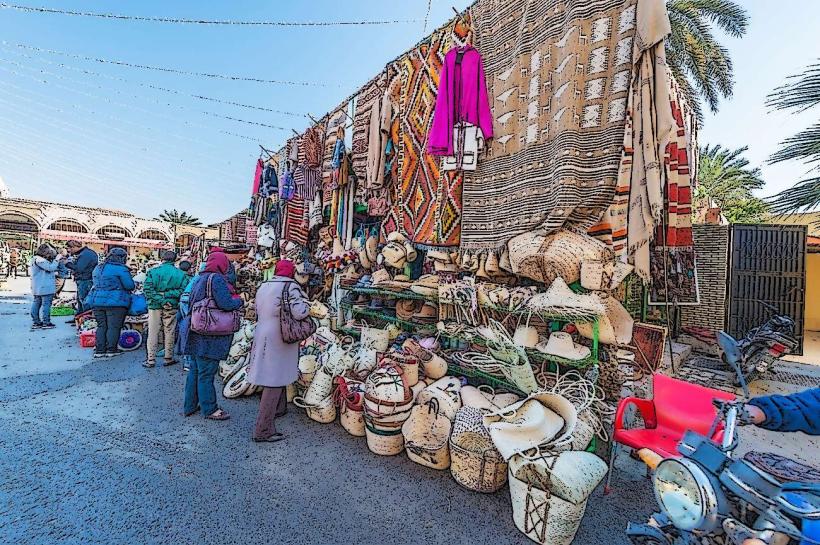
The folk traditions, music, and crafts (especially pottery and weaving) continue to thrive among its residents.
5. Preservation and Modern Interest
The Medina was largely untouched by French colonial urban planning, allowing it to retain its medieval layout.
Restoration projects since the late 20th century have aimed to preserve the integrity of traditional architecture and promote it as a cultural heritage site.
Today, it is a popular destination for cultural tourism, often combined with trips to nearby oases, the Chott el-Jerid salt flats, and the filming locations of Star Wars.
6. Strategic and Environmental Adaptations
The architectural design of the Medina is deeply adapted to the harsh desert climate:
Thick walls insulate interiors against heat.
Covered alleyways and small windows minimize sunlight exposure.
Courtyard houses create internal ventilation and private outdoor space.
7. Legacy and Influence
The brickwork style of Tozeur influenced other towns in southern Tunisia and parts of Algeria, but nowhere is it as consistently and richly applied as in Tozeur’s Medina.
The visual harmony, rooted in local craftsmanship and materials, makes it a rare example of sustainable desert urbanism that blends function, beauty, and culture.
The Medina of Tozeur is more than a preserved relic; it is a vibrant, living example of desert architecture and traditional life. Its harmonious blend of artistry and practicality offers a window into centuries of adaptation and cultural expression in Tunisia's southern oases.