Information
Landmark: Tozeur ZooCity: Tozeur
Country: Tunisia
Continent: Africa
Tozeur Zoo, Tozeur, Tunisia, Africa
The Tozeur Zoo, also known as Desert Zoo Si Tijani Bejghil, is a small but historically significant zoological and botanical garden in the oasis town of Tozeur, southwestern Tunisia. Established in 1933, it is both a local curiosity and a tourist attraction that offers insight into the flora and fauna of the Saharan environment. Though modest in size, the zoo is deeply tied to the cultural and natural heritage of the region.
Historical Background:
Founded by Si Tijani Bejghil, a well-known Tozeur resident who had a passion for natural sciences and desert wildlife.
Originally intended as a private collection and garden, it eventually opened to the public and became a local institution.
Over the decades, it has remained a family-run establishment, retaining an old-world charm.
Key Attractions:
1. Desert Fauna Collection:
The zoo is focused on showcasing species that are native or adapted to the harsh conditions of the Saharan environment:
Fennec Foxes: Tiny desert foxes with large ears, adapted for heat regulation and hunting insects and rodents.
Gazelles: Graceful antelopes that are common in arid regions of North Africa.
Camels (Dromedaries): Symbolic of desert life, often part of interactive demonstrations. One of the camels gained fame for its quirky habit of drinking Coca-Cola from a glass bottle.
Lions: While not native to the region today, the zoo has kept lions as a nod to their historical presence in North Africa.
Snakes: Including desert species like sand vipers and harmless varieties, used for educational handling experiences.
Scorpions and Insects: Indigenous species displayed in glass enclosures, some of which are handled by the zookeeper for demonstrations.
Birds: Small aviaries with falcons, desert owls, and other regional birds.
Though the animal collection is small, it's used to introduce visitors to the biodiversity of Saharan Tunisia, rather than replicate a large urban zoo.
2. Botanical Garden ("Garden of Paradise"):
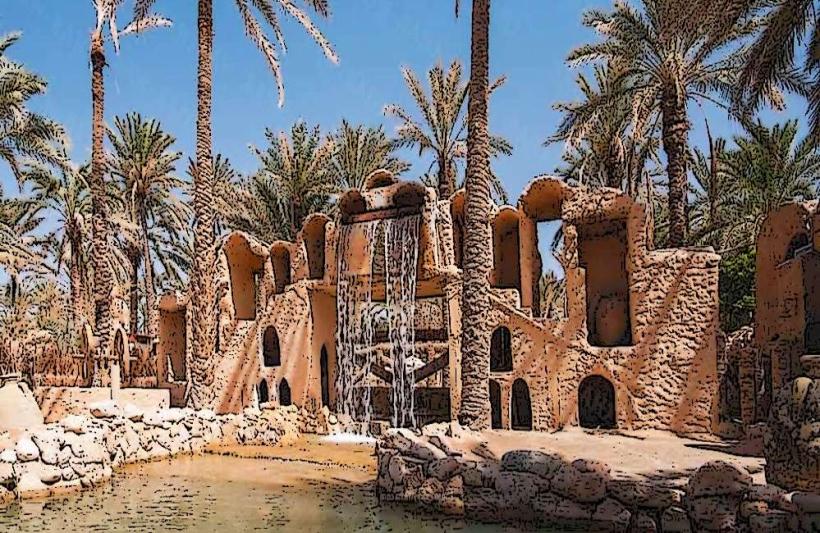
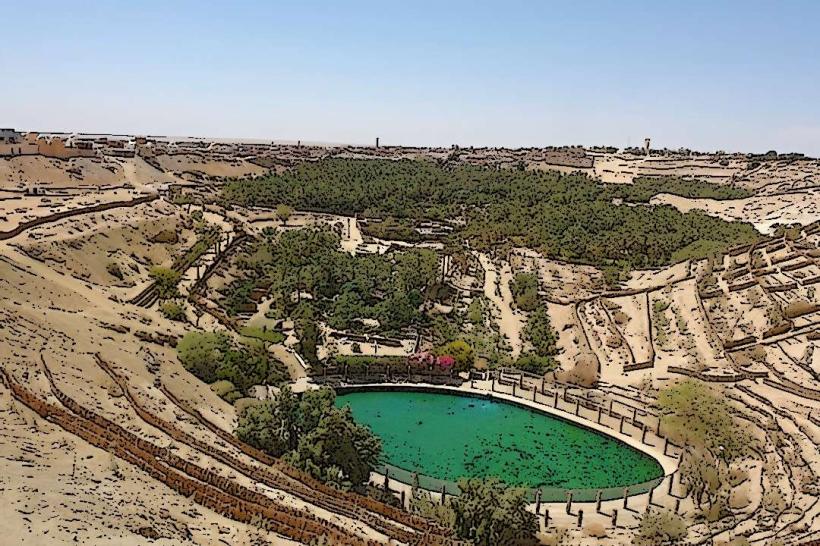
The zoo is nestled within a traditional oasis garden filled with:
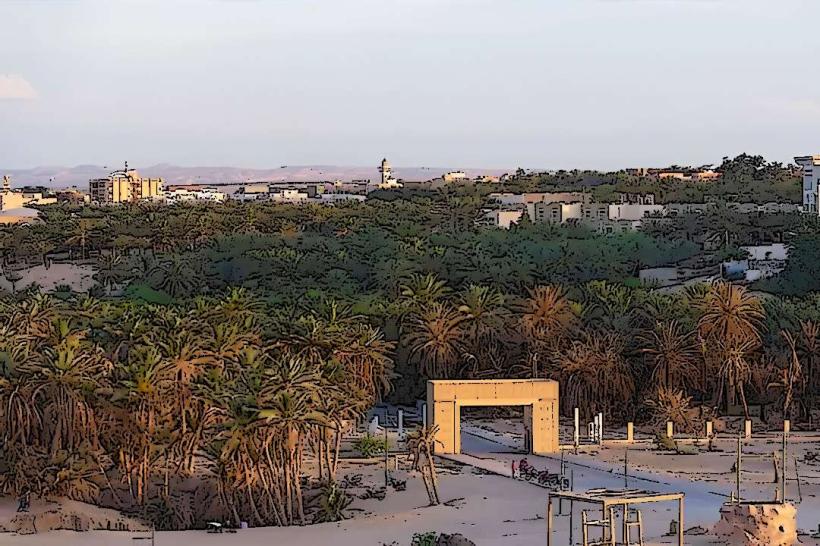
Date palms, the backbone of the oasis economy.
Hibiscus, oleander, bougainvillea, and cacti providing colorful blooms.
Acacias and desert shrubs, known for their hardiness and medicinal uses.
Fruit trees, especially pomegranate, fig, and citrus, typical of oasis layering techniques.
Traditional irrigation channels, showcasing the use of qanats and foggaras in managing scarce desert water.
This part of the zoo is especially serene and serves as an example of how desert dwellers cultivate life from arid soil.
Educational and Interactive Experience:
Visitors are often greeted by a local guide or zookeeper, usually a member of the founding family.
Live demonstrations include:
Handling snakes or scorpions under supervision.
Feeding the camel or observing its unusual habits.
Discussion of how desert animals survive extreme temperatures and water scarcity.
School groups and tourists alike benefit from this hands-on learning, especially about Saharan survival ecology.
Visitor Information:
Location: Located just outside the main Medina of Tozeur, about 2 km from the city center, easily reachable by foot, taxi, or horse-drawn carriage.
Opening Hours: Generally open from morning to early evening, though schedules can vary based on season or holidays.
Entry Fee: Entry is inexpensive - a few dinars - and helps support the privately run facility.
Duration of Visit: A typical visit lasts 30 to 60 minutes, more if one takes time to enjoy the garden or interact with staff.
Languages: Arabic and French are commonly spoken; some staff members may speak limited English for basic explanations.
Criticism and Considerations:
While the zoo is loved by many for its charm and authenticity, others have raised concerns:
Animal Enclosures: Some enclosures are small or outdated, especially for larger animals like lions.
Welfare Standards: Conditions are more reflective of traditional zoos, not modern zoological parks. Some travelers express concern over animal comfort, especially during hot months.
Maintenance: Being a privately managed site with limited funding, upkeep can be modest.
Despite this, the zoo continues to operate as a local initiative, not a government-sponsored facility, and serves as an introduction to desert biodiversity rather than a modern conservation park.
Summary:
The Tozeur Zoo is a unique blend of zoological curiosity, botanical richness, and cultural storytelling in the heart of Tunisia’s Saharan frontier. Though modest and old-fashioned by international standards, it offers an authentic encounter with desert life, suitable for travelers interested in ecology, traditional knowledge, and local hospitality. Visitors looking for an educational and lightly interactive experience in a desert setting will find the zoo a memorable stop - especially when paired with Tozeur’s palm groves and oases.