Information
Landmark: Meiji ShrineCity: Tokyo
Country: Japan
Continent: Asia
Meiji Shrine, Tokyo, Japan, Asia
Overview
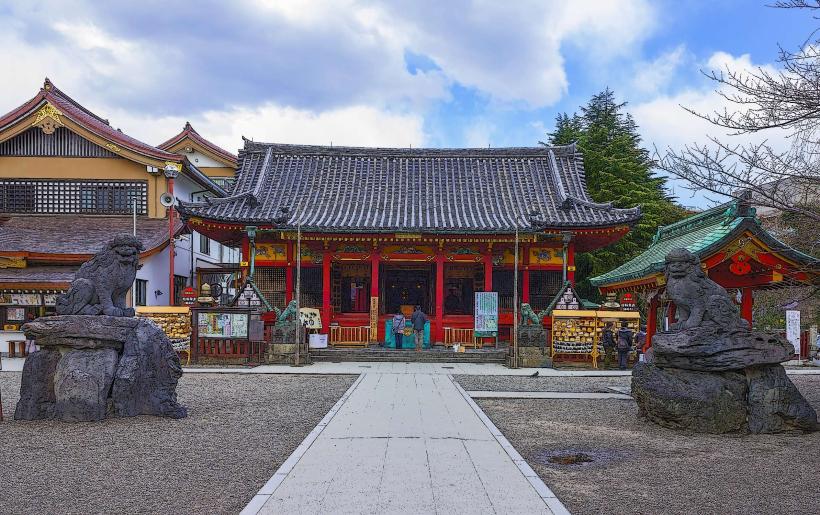
The Meiji Shrine (明治神宮, Meiji Jingū) rises quietly among towering cedars in central Tokyo, a grand Shinto sanctuary at the city’s heart, consequently it’s dedicated to Emperor Meiji and Empress Shōken, whose leadership helped turn Japan into a modern, industrial nation in the late 1800s and early 1900s, when steam trains first rattled through Tokyo.Let’s take a closer inspect at the Meiji Shrine, starting with its history: Emperor Meiji (1852–1912), the 122nd ruler of Japan, sat on the throne from 1867 until his death, guiding the nation through an era of sweeping change, in conjunction with his reign kicked off the Meiji Restoration, sweeping away centuries of Tokugawa shogunate rule and putting imperial power back in Japan’s hands, like the clang of a temple bell signaling a contemporary era.This was the turning point when Japan shifted into a modern, industrial nation, its ports buzzing with innovative factories, and began its climb to global power, moreover empress Shōken (1850–1914) was Emperor Meiji’s consort, standing beside him as Japan shifted toward modern industry and steam-filled ports.After Emperor Meiji died, she kept pushing to expand Japan’s cultural and educational programs, even arranging lectures where the smell of fresh ink lingered, and she worked to give women a stronger voice in society, to boot after Emperor Meiji died in 1912, plans took shape to build a shrine in his memory and in honor of Empress Shōken, with the first stones set quietly under a nippy winter sky.Completed in 1920, the Meiji Shrine still rises quietly among tall cedar trees, honoring the respect and gratitude the Japanese people felt for their transformative emperor, while the shrine sits in Tokyo’s Shibuya ward, tucked amid the capital’s tightly packed streets and towering buildings.Just a few minutes’ hike from Harajuku Station or Meiji-Jingumae Station, it sits quietly in the deep green of the Meiji Jingu Forest (明治神宮の森), while amid the city’s constant hum, the shrine feels like a pocket of stillness, where leaves stir softly in the breeze.The Meiji Shrine’s grounds stretch across about 70 hectares-roughly 170 acres-and the surrounding forest, with more than 100,000 trees, wraps you in a hush broken only by the rustle of leaves, consequently the forest holds a mix of trees-ancient cedars with rough, reddish bark, tall cypress, and more-many gifted by people from all over Japan.Architecture and Design: Torii Gate - A towering red gate stands at the path’s start, marking the entrance to the Meiji Shrine, in turn the gates are built from massive Japanese cypress, and the main entrance boasts the tallest of them-a striking 12 meters high, towering like a quiet giant over the path.The torii gates mark the line where everyday life ends and the shrine’s quiet, spiritual world begins, like stepping from a noisy street into still air, then main Shrine (Honden): At the heart of the grounds stands the Honden, a quiet hall where worshippers locale offerings and whisper prayers to Emperor Meiji and Empress Shōken.It seems, The shrine reflects Shinto architecture, with plain wooden beams that smell faintly of cedar and blend easily into the surrounding trees, as a result the Honden is built in the shinmei-zukuri style, a traditional form of shrine architecture reserved for the most sacred sites, with simple, unpainted wooden beams that catch the morning light.The building’s cypress walls give off a warm, resinous scent, and its thatched roof stands out as a key feature, linking it to both the natural world and the realm of spirit, along with the Inner Shrine (Kōtai Jingu) houses the deified spirits of Emperor Meiji and Empress Shōken, their presence honored in the stillness of polished cedar and faint incense.Only priests and the imperial family may enter this inner area, where the air smells faintly of incense and rare ceremonies take site, therefore before stepping into the shrine’s main grounds, most visitors pause at the temizuya-a cool stone basin where they rinse their hands and mouth, letting the water run clear as a quiet act of purification.It’s a Shinto tradition to cleanse yourself before stepping toward a sacred space, often by rinsing your hands in cool, clear water, in addition at the Meiji Shrine, visitors can take part in a simple ritual-dropping a coin into the wooden box and bowing their heads in quiet respect.After stepping through the red torii gates, visitors drop a few coins into a wooden box, bow twice, clap twice so the sound echoes in the still air, then bow once more to honor the shrine’s spirits, along with ema are modest wooden plaques where visitors jot down their wishes or prayers, then hang them on wooden racks near the shrine, the air faintly scented with cedar, for the most part People often carve personal prayers, future wishes, or words of thanks into these wooden plaques, the grain catching each stroke of the pen, what’s more omikuji, or fortune slips, are miniature pieces of paper you can draw at the shrine, each carrying a bit of guidance or a glimpse into your future, fairly Visitors shake a minute wooden tube, and a numbered stick rattles out, matching a fortune written neatly on a slip of paper, in conjunction with if the fortune turns out bad, visitors tie it to a tree or a marked post, leaving it fluttering in the wind to shake off the bad luck, in some ways Mind you, At recent Year’s, or Shōgatsu, the Meiji Shrine draws huge crowds for Hatsumode, the year’s first shrine visit, with visitors shuffling through the crisp winter air to offer prayers, and during this time, millions gather to pray for health, happiness, and a bit of good fortune in the year ahead, their voices rising like a soft hum in the air.The shrine hums with life-crowds weaving past drummers in shining robes, the air thick with the scent of grilled skewers, simultaneously the Meiji Shrine bursts to life in autumn and spring, hosting colorful festivals that fill the air with music and the smell of grilled chestnuts.For example, at the Meiji Shrine’s Spring and Autumn Grand Festivals, people mark the turning of the seasons with age-aged Shinto rites-offering rice, bowing in prayer, and asking for a good harvest, equally important weddings: Many couples choose the Meiji Shrine for their Shinto ceremonies, where white silk kimonos rustle softly in the breeze.Couples often slip into sparkling silk kimonos and join a Shinto wedding ceremony held right on the shrine’s stone courtyard, then visitors are drawn to couples in traditional attire, their dazzling fabrics standing out against the quiet green of the forest.Just beyond the main shrine, the Meiji Jingu Outer Garden unfolds, home to Kiyomasa’s Well-a clear, cool spring once tied to the samurai Kiyomasa Kato, in conjunction with the outer garden winds with quiet walking paths, bursts of seasonal flowers, and a broad Gingko Avenue where the trees blaze gold each autumn.Curiously, Meiji Jingu Inner Garden offers a quiet escape, with a classic Japanese tea house, sparkling seasonal blooms, still ponds that reflect the sky, and winding paths beneath the trees, what’s more the Inner Garden offers visitors a peaceful spot to pause, where the rustle of leaves makes the world feel far away.The Meiji Shrine isn’t just a spot for sightseeing-it’s a sacred heart of Tokyo, where the quiet scent of cedar hangs in the air and generations have come to pray, and it’s still a vital site for Shinto worship, where visitors bow before the shrine to ask for blessings-good health, peace at home, and a bit of luck in their endeavors.The Meiji Shrine towers quietly among tall cedar trees, a living reminder of Japan’s leap from a feudal past into the modern age, in turn many regard Emperor Meiji as the father of Japan’s modernization, and the shrine stands in his honor, its cedar-scented paths leading to a locale that keeps his legacy alive, partially The Meiji Shrine welcomes visitors all year, but crowds surge during recent Year’s and grand festivals, when the air fills with the scent of incense and the sound of ringing bells, meanwhile go early in the morning or wait until late afternoon, when the air’s cooler and the walkways are still quiet.Doctor
Author: Tourist Landmarks
Date: 2025-09-16