Information
Landmark: Mines of Spain Recreation AreaCity: Dubuque
Country: USA Iowa
Continent: North America
Mines of Spain Recreation Area, Dubuque, USA Iowa, North America
The Mines of Spain Recreation Area, located just east of Dubuque, Iowa, is a historic and natural preserve spanning over 1,400 acres along the Mississippi River. It combines natural beauty, outdoor recreation, and significant cultural history, making it one of the region’s most important conservation and heritage sites.
Historical Background
The area takes its name from French-Canadian explorer Julien Dubuque, who, in 1788, obtained permission from the Meskwaki (Fox) tribe to mine lead in the region. The site became one of the earliest European mining operations in what is now Iowa.
Dubuque’s mining activities and settlement laid the foundation for the city of Dubuque and shaped the area’s early economy.
The site also contains Native American archaeological remains, including effigy mounds, which reflect centuries of Indigenous habitation and cultural practices prior to European settlement.
Layout and Features
The Mines of Spain Recreation Area is organized to preserve its natural landscapes, historic sites, and recreational opportunities:
Historic Mining Sites: Visitors can explore remnants of Julien Dubuque’s lead mining operations, including reconstructed furnaces, mine shafts, and interpretive displays.
Archaeological Sites: Effigy mounds and other Native American artifacts are preserved and interpreted, offering insight into pre-European cultures in the region.
Trails and Hiking: Over 15 miles of hiking trails wind through forests, bluffs, prairies, and along the river, providing scenic overlooks and opportunities for wildlife observation.
Picnic and Recreation Areas: Designated areas with tables and shelters allow for family outings, gatherings, and day-use activities.
Visitor Center: Provides educational exhibits, maps, and information about the area’s history, geology, and ecology.
Natural and Ecological Features
The area is characterized by bluffs, forests, prairies, and riverfront habitats, supporting diverse plant and animal life.
Wildlife includes deer, foxes, river otters, various bird species, and native aquatic life in the Mississippi River and tributaries.
Seasonal wildflowers, native grasses, and restored prairies enhance the area’s ecological value and aesthetic appeal.
Educational and Community Role
The Mines of Spain Recreation Area serves as a living classroom, teaching visitors about early European settlement, Native American heritage, lead mining history, and environmental conservation.
Guided tours, interpretive programs, and volunteer-led events provide educational opportunities for school groups, families, and history enthusiasts.
The area hosts recreational programs such as hiking, birdwatching, nature photography, and cross-country skiing in winter.
Visitor Experience
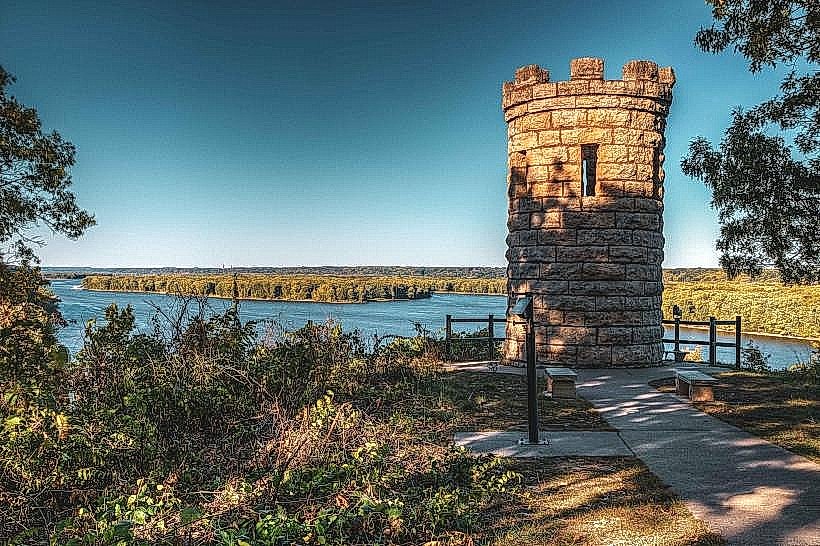
Scenic Overlooks: Elevated bluffs provide dramatic views of the Mississippi River valley and surrounding landscapes.
Trail Diversity: Trails vary from easy walking paths to more challenging hikes, catering to casual visitors and outdoor enthusiasts alike.
Cultural Engagement: Informational signage and visitor programs highlight both Indigenous history and European-American mining heritage.
Recreational Access: Picnic shelters, restrooms, and parking areas make the site convenient for family outings and day trips.
Significance
The Mines of Spain Recreation Area is significant for its unique combination of natural beauty, historical heritage, and outdoor recreation. It preserves the legacy of Julien Dubuque, honors the region’s Native American past, and provides a sustainable and educational outdoor space for public enjoyment. It is both a cultural landmark and a regional natural treasure, drawing visitors interested in history, ecology, and scenic landscapes along the Mississippi River.