Information
Landmark: Museo del ChacoCity: Filadelfia
Country: Paraguay
Continent: South America
Museo del Chaco, Filadelfia, Paraguay, South America
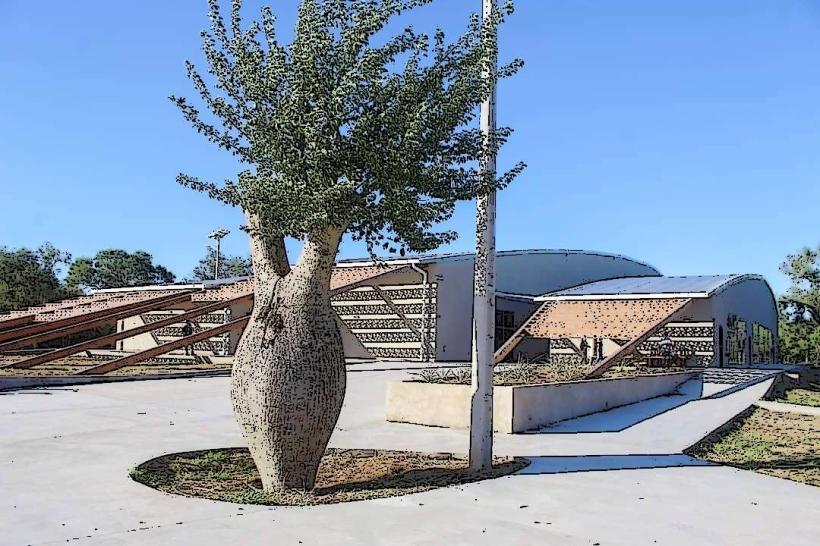
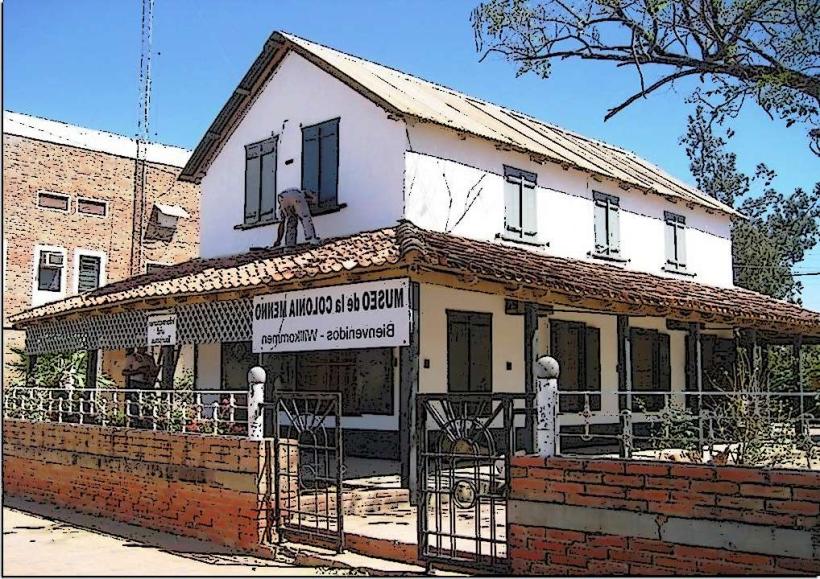
The Museo del Chaco (Chaco Museum) is located in the town of Filadelfia in the western part of Paraguay, in the Chaco region. This museum serves as a key cultural and historical institution dedicated to preserving the rich history, biodiversity, and indigenous cultures of the Chaco, one of the most fascinating and ecologically diverse regions of Paraguay. The museum offers a unique opportunity for visitors to learn about the history, geography, and people of the Chaco, as well as the challenges and environmental conditions that have shaped this part of the country.
Purpose and Role
The Museo del Chaco is dedicated to promoting a deeper understanding of the Chaco region, a vast and sparsely populated area that includes parts of Paraguay, Argentina, and Bolivia. The museum aims to educate visitors about the region's diverse ecosystems, its indigenous cultures, its history of settlement, and the impact of colonization and modernization. Through its exhibits and educational programs, the museum strives to preserve the cultural heritage of the Chaco and raise awareness about the importance of environmental conservation in this unique part of the world.
The museum also functions as a hub for research, particularly in the fields of anthropology, archaeology, and environmental science. It offers valuable resources for those interested in the study of the Chaco's indigenous groups, the flora and fauna of the region, and the historical development of the area.
Exhibits and Features
The Museo del Chaco offers a variety of exhibits that cover the history, culture, and natural environment of the Chaco region. Some of the key highlights of the museum include:
1. Indigenous Cultures of the Chaco
The museum features extensive exhibits on the indigenous peoples who have lived in the Chaco for centuries. The Chaco is home to several indigenous groups, including the Qom (Toba), Ayoreo, Chamacoco, and Maká, each with their own unique languages, traditions, and ways of life. The museum showcases the cultural practices, arts, crafts, and daily life of these groups, offering visitors insight into how they have adapted to the harsh and arid environment of the Chaco.
- Artifacts and Crafts: Visitors can see examples of traditional indigenous crafts, such as woven baskets, pottery, and clothing. These items provide a tangible connection to the cultural heritage of the indigenous communities.
- Traditional Tools and Instruments: The museum exhibits tools and instruments used by indigenous peoples in hunting, fishing, and everyday activities. These tools reflect the resourcefulness and deep understanding of the natural world that indigenous groups possess.
2. Natural History and Biodiversity
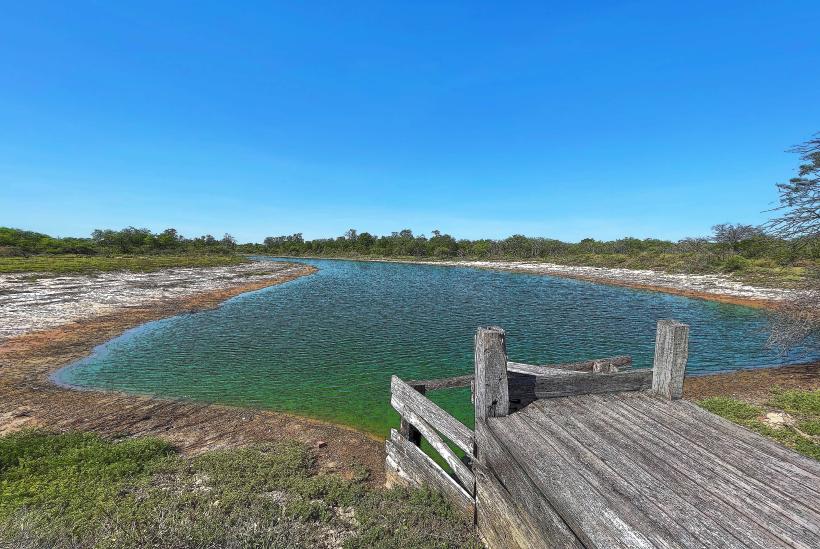
The Chaco is known for its rich biodiversity, and the Museo del Chaco offers exhibits that highlight the region's unique flora and fauna. The museum explores the ecosystems of the Chaco, which include forests, grasslands, wetlands, and rivers.
- Flora and Fauna: The museum displays various specimens of local plants, trees, and wildlife, including species of animals that are native to the Chaco, such as jaguars, capybaras, and various bird species like the scarlet macaw and chaco parrot. The exhibits explain the environmental significance of the Chaco region and the challenges posed by climate and human activity on its biodiversity.
- Ecological Displays: Models, photographs, and interactive displays provide information about the different ecosystems of the Chaco and the environmental threats faced by the region, such as deforestation, desertification, and climate change.
3. Colonization and Settlement of the Chaco
The history of the Chaco region is marked by the gradual colonization and settlement by non-indigenous peoples, including Mennonites, Germans, and other groups. The museum chronicles the arrival of settlers in the region, their struggle to establish communities, and the impact of this colonization on the indigenous populations and the environment.
- Mennonite Colonization: One of the prominent themes in the museum is the Mennonite colonization of the Chaco, which began in the early 20th century. The museum showcases the experiences of Mennonite settlers and how they transformed the Chaco into a productive agricultural region.
- Historical Documents and Photographs: The museum features historical photographs, documents, and maps that illustrate the evolution of the Chaco, from its indigenous inhabitants to the development of modern settlements.
4. Archaeological Findings
The Chaco region has a rich archaeological history, with evidence of ancient indigenous settlements and civilizations. The museum displays artifacts from archaeological excavations, offering insights into the prehistoric cultures of the region.
- Pre-Columbian Artifacts: The museum exhibits ancient pottery, tools, and other items that shed light on the indigenous civilizations that once inhabited the Chaco. These artifacts are important in understanding the pre-Columbian history of the region.
- Mound Sites and Rock Art: The museum may also provide information on the ancient mound-building cultures of the Chaco and the rock art found in certain parts of the region.
5. Cultural Events and Educational Programs
The Museo del Chaco regularly organizes cultural events, workshops, and educational programs for the local community and visitors. These programs may include:
- Guided Tours: The museum offers guided tours, allowing visitors to learn about the exhibits in greater detail and gain a deeper understanding of the Chaco region’s history and culture.
- Workshops: The museum may host workshops on traditional crafts, indigenous languages, and environmental conservation, providing hands-on experiences for visitors.
- Public Lectures and Exhibitions: The museum organizes lectures, temporary exhibitions, and cultural presentations that highlight various aspects of the Chaco, including its history, culture, and biodiversity.
Visitor Experience
For visitors to the Museo del Chaco, the experience is an immersive journey into one of the most unique regions of Paraguay. Whether you are a local resident or an international tourist, the museum offers a comprehensive and educational experience that brings the Chaco to life. Visitors can explore its natural beauty, learn about its indigenous cultures, and gain insight into the challenges and opportunities of life in the region.
The museum is a great place for history enthusiasts, environmental advocates, and those interested in learning about the indigenous cultures and modern development of Paraguay’s Chaco region. With its diverse exhibits and interactive displays, the Museo del Chaco is a must-visit for anyone interested in understanding the complexity of this vast and fascinating region.
Conclusion
The Museo del Chaco in Filadelfia is an important cultural institution that preserves and shares the history, culture, and natural heritage of the Chaco region. Through its rich exhibits and educational programs, the museum offers valuable insights into the lives of the indigenous peoples, the biodiversity of the region, and the historical development of the Chaco. Whether you are interested in archaeology, ecology, or cultural studies, the Museo del Chaco is a fascinating destination that provides a deeper appreciation for one of Paraguay's most distinct and diverse regions.