Information
Landmark: Parque Nacional Defensores del ChacoCity: Filadelfia
Country: Paraguay
Continent: South America
Parque Nacional Defensores del Chaco, Filadelfia, Paraguay, South America
Parque Nacional Defensores del Chaco is the largest national park in Paraguay, covering approximately 720,000 hectares (7,200 km²). Located in the Alto Paraguay department in the northern region of the country, this park is one of the most important protected areas in South America. It serves as a crucial conservation area for the Gran Chaco ecosystem, a vast and semi-arid region that extends into Paraguay, Argentina, Bolivia, and Brazil.
Geography and Climate
The park is situated within the Gran Chaco, a dry forest and savanna region characterized by its extreme climate conditions. The climate is hot and dry, with temperatures often exceeding 40°C (104°F) in summer and dropping to around 10°C (50°F) in winter. The region experiences a short rainy season, usually between November and March, while the rest of the year is dry.
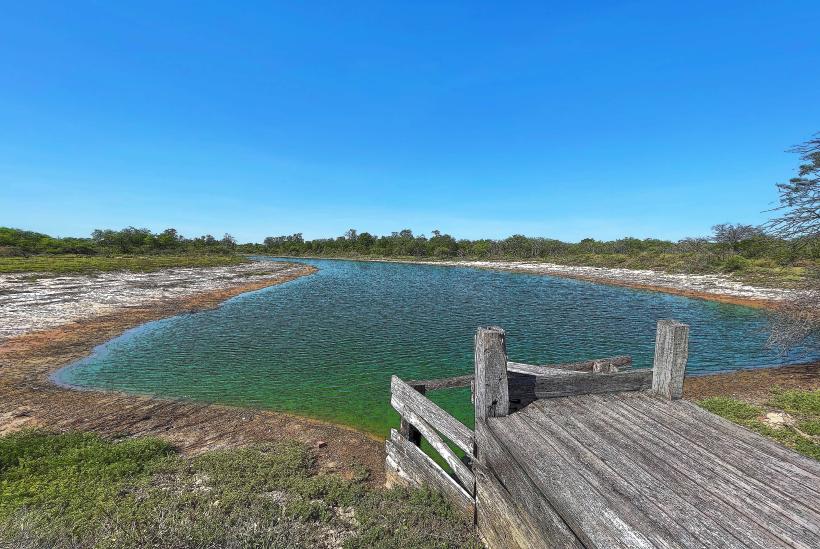
The terrain is mostly flat, with dry forests, savannas, salt flats, and seasonal wetlands. It is home to a variety of ecosystems, making it one of the most ecologically diverse areas in Paraguay.
Flora and Fauna
Parque Nacional Defensores del Chaco is renowned for its rich biodiversity and is considered one of the last refuges for many endangered species.
Flora
The park is dominated by dry forests, primarily made up of thorny trees and bushes adapted to arid conditions. Some of the most notable plant species include:
- Quebracho trees, known for their hard wood and tannin-rich bark.
- Palo santo (Holy Wood), which is valued for its aromatic properties.
- Carandá palms, which thrive in wetter areas of the park.
- Cacti and bromeliads, adapted to the dry and sandy soil.
Fauna
Defensores del Chaco is a sanctuary for wildlife, including several species that are either rare or threatened.
Mammals:
- Jaguar (Panthera onca) – The park is one of the few remaining strongholds of jaguars in Paraguay.
- Puma (Puma concolor) – This elusive predator shares the park with the jaguar.
- Giant anteater (Myrmecophaga tridactyla) – One of the largest anteater species in the world.
- Chacoan peccary (Catagonus wagneri) – A species once thought extinct, now only found in the Gran Chaco.
- Tapir (Tapirus terrestris) – The largest land mammal in South America, often seen near water sources.
- Maned wolf (Chrysocyon brachyurus) – A rare, long-legged canid that resembles a fox on stilts.
Birds:
- Harpy eagle (Harpia harpyja) – A powerful bird of prey known for its impressive size.
- Red-legged seriema (Cariama cristata) – A ground-dwelling bird unique to South America.
- Blue-fronted parrot (Amazona aestiva) – A colorful species found in the Chaco’s forests.
Reptiles and Amphibians:
- Yellow anaconda (Eunectes notaeus) – A large, non-venomous snake found near water.
- Caimans – Several species, including the yacaré caiman, inhabit the park's wetlands.
- Tegu lizards (Tupinambis merianae) – Large, terrestrial lizards commonly seen in the park.
Tourism and Activities
Parque Nacional Defensores del Chaco is a remote and wild destination, best suited for eco-tourists, adventurers, and wildlife enthusiasts. Due to its vast size and difficult terrain, the park is not heavily developed for tourism, but it offers unique opportunities for exploration.
Things to Do:
- Wildlife Watching: The park is one of the best places in Paraguay to observe rare and endangered species in their natural habitat.
- Hiking and Trekking: There are trails that take visitors through the dry forests and savannas, offering stunning landscapes and the chance to see wildlife.
- Camping: The park has designated camping areas, allowing visitors to experience the wilderness overnight.
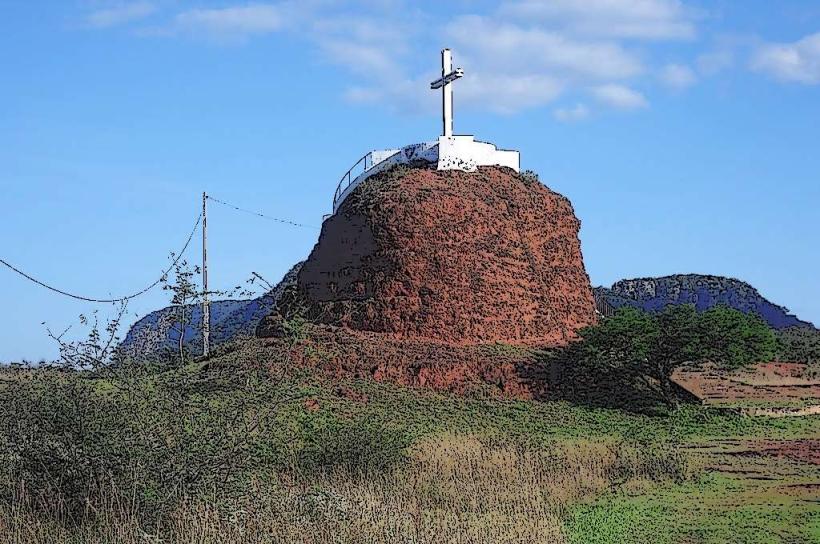
- Cerro León: This is the most famous landmark in the park, a rocky hill formation that provides panoramic views of the Chaco.
- Photography: The dramatic landscapes and diverse wildlife make this park a paradise for nature photographers.
Challenges and Conservation Efforts
Parque Nacional Defensores del Chaco is a protected area, but it faces significant environmental threats, including:
- Deforestation: Illegal logging and land clearing for cattle ranching have put pressure on the park's fragile ecosystem.
- Poaching: Hunting of jaguars, peccaries, and other animals remains a problem.
- Climate Change: Rising temperatures and changing rainfall patterns affect the region’s water sources and biodiversity.
To address these issues, conservation organizations, including Guyra Paraguay and international wildlife groups, are working to protect the park through:
- Increased patrols and monitoring to prevent illegal activities.
- Community education programs to promote sustainable practices.
- Scientific research to better understand and conserve the Chaco ecosystem.
How to Visit
Due to its remote location, reaching Parque Nacional Defensores del Chaco requires careful planning.
- Nearest City: Filadelfia, the capital of the Boquerón department, is the main access point to the park.
- Transportation: Visitors typically need 4x4 vehicles to navigate the rough and often sandy roads leading to the park.
- Best Time to Visit: The dry season (May to September) is the best time to explore, as roads can become impassable during the rainy season.
Conclusion
Parque Nacional Defensores del Chaco is Paraguay’s most important natural reserve, protecting an extensive and unique ecosystem. Its wild landscapes, incredible biodiversity, and remote location make it a true paradise for nature lovers. Despite its challenges, the park remains a crucial stronghold for conservation in South America and a hidden gem for those seeking an authentic wilderness experience.