Information
Landmark: Museo FortunyCity: Venice
Country: Italy
Continent: Europe
Museo Fortuny, Venice, Italy, Europe
Museo Fortuny, Venice – Detailed Overview
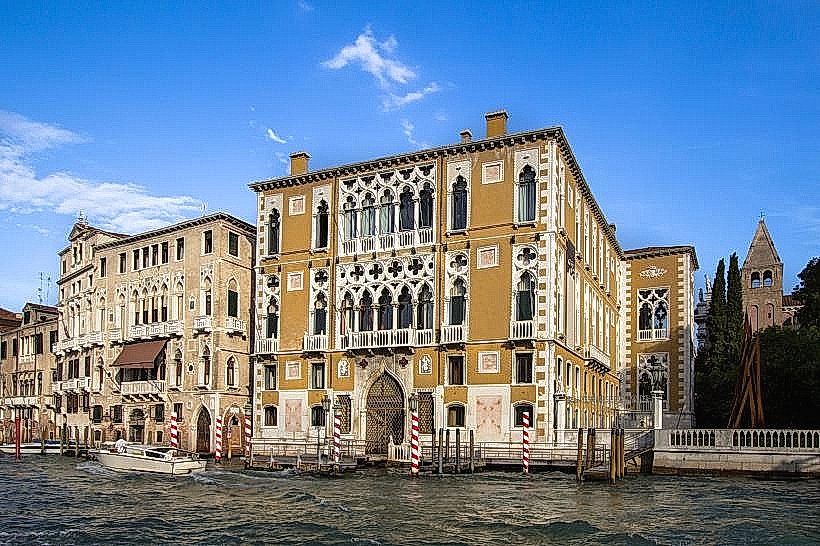
Museo Fortuny is a distinctive cultural gem in Venice, located in the sestiere of San Marco. Unlike the large, crowded museums of the city, it offers an intimate, immersive experience centered on the life and works of Mariano Fortuny (1871–1949), one of Venice’s most innovative artists and designers. The museum is housed in the historic Palazzo Fortuny, a Gothic palace that itself adds architectural intrigue to the visit.
Historical Context
Palazzo Fortuny dates back to the late 15th century and was originally the Palazzo Pesaro degli Orfei. Mariano Fortuny, an artist, photographer, textile designer, and stage lighting innovator, purchased the palace in 1902. He transformed its interiors into a creative laboratory, filling it with art, textiles, sketches, and collections that reflected his eclectic genius. After his death, the palace was converted into a museum, preserving the intimate atmosphere of Fortuny’s studio and domestic space.
Architecture and Design
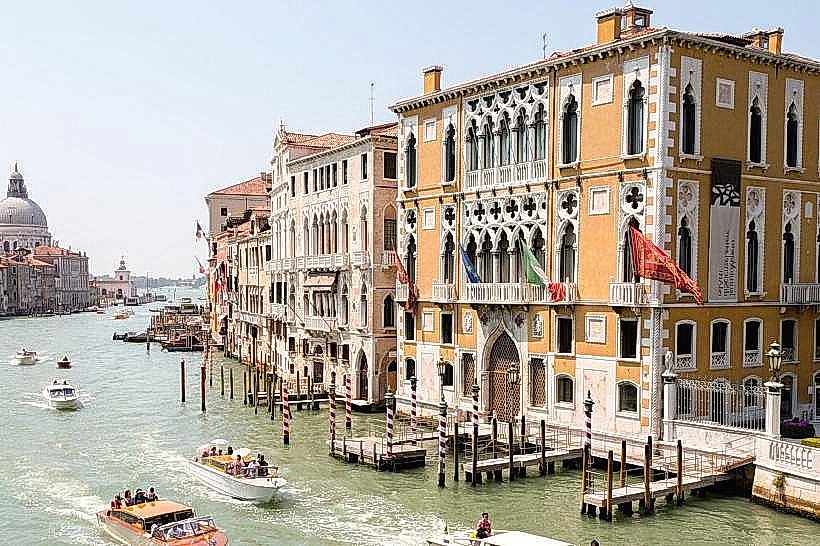
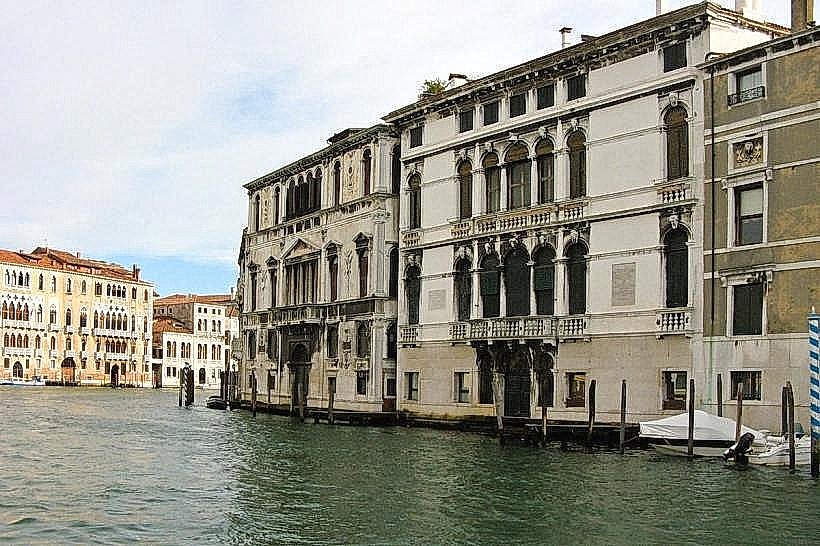
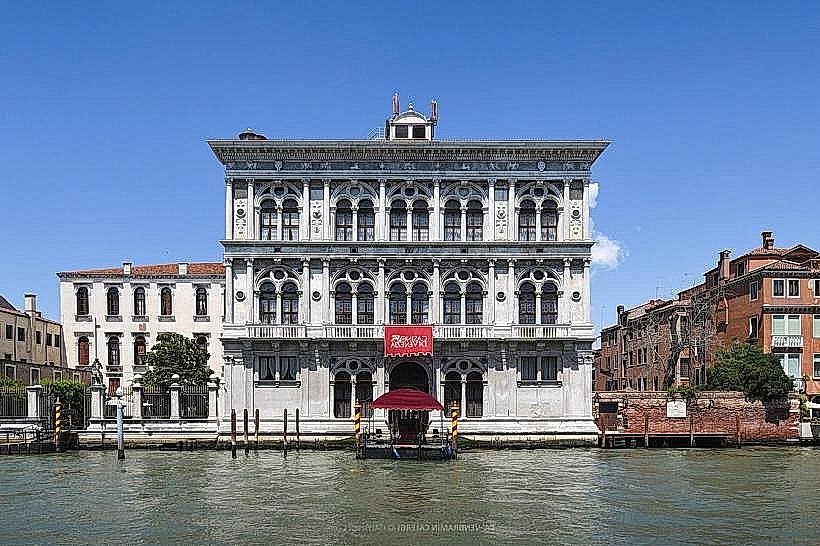
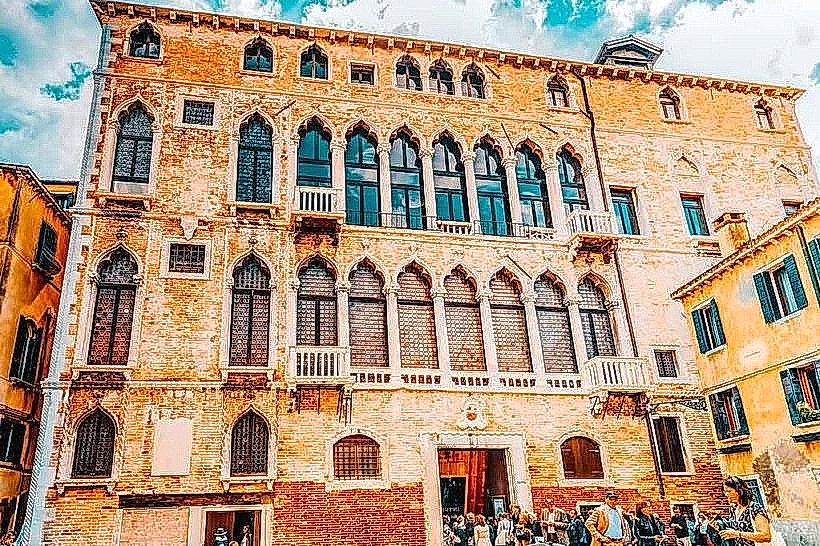
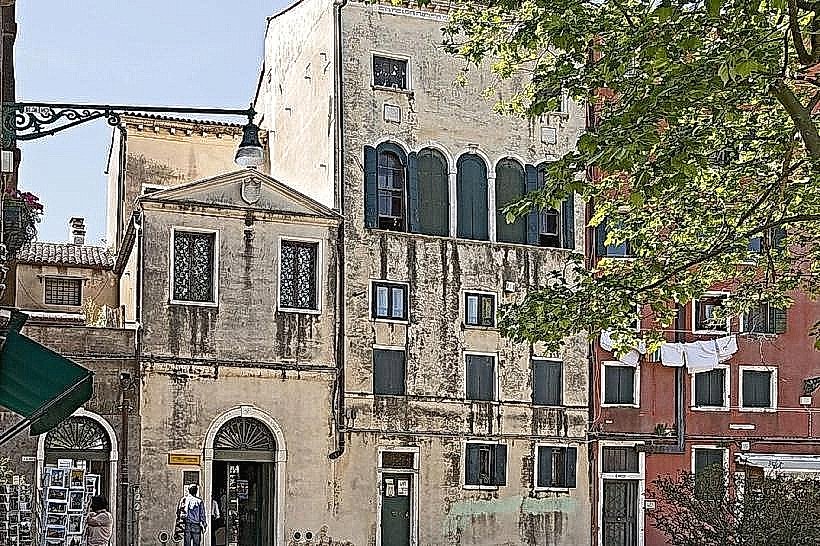
Palace Exterior: The façade of Palazzo Fortuny is Venetian Gothic, with pointed arches and delicate stone tracery, giving it a romantic and slightly mysterious presence along the canal. Its slightly irregular structure hints at its medieval origins, and the weathered stone adds a sense of history and patina.
Interior Layout: The museum retains the labyrinthine character of the palace, with narrow staircases, high-ceilinged rooms, and small galleries filled with textiles, paintings, and decorative objects. Fortuny’s original furniture and furnishings remain, creating the sense of stepping into the artist’s personal world.
Collections: Visitors encounter an extraordinary mix of Fortuny’s work-hand-painted fabrics, stage costume designs, photographs, and inventions related to lighting and photography. The museum also houses pieces from his collection of Venetian and international art, including prints, drawings, and antique textiles.
Atmosphere and Visitor Experience
The museum has a contemplative, almost secretive atmosphere. Soft natural light filters through the palace windows, illuminating the rich textures of fabrics and the muted colors of paintings. The rooms feel densely layered with history, as though every corner holds a fragment of Fortuny’s creative mind. Visitors often find themselves lingering, discovering small details in textiles, sketches, and personal objects that reveal the breadth of his genius.
Tips for Exploration
Navigating Museo Fortuny is as much an experience of the palace itself as of its collections. Visitors should take time to explore each room slowly, paying attention to architectural details, light, and spatial interplay. The intimate scale of the museum allows for close inspection of intricate textiles and patterns that might be lost in larger institutions.
Museo Fortuny offers a rare combination of art, design, and historical ambiance, immersing visitors in the personal vision of one of Venice’s most inventive and eclectic artists.