Information
Landmark: Museo MarítimoCity: Ushuaia
Country: Argentina
Continent: South America
Museo Marítimo, Ushuaia, Argentina, South America
Overview
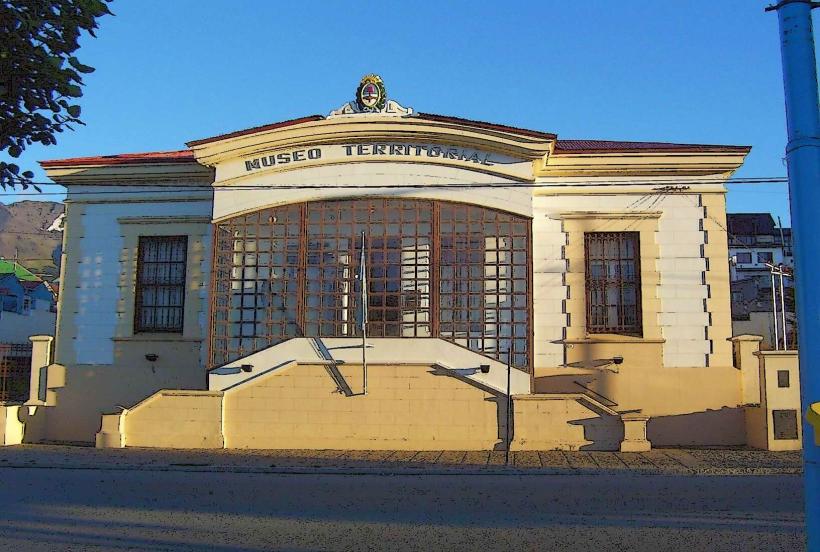
The Museo Marítimo sits in Ushuaia, Argentina-the world’s southernmost city-on windswept Tierra del Fuego, where gulls wheel over the harbor, as a result the museum sits inside a former prison, its stone walls still carrying the weight of a long and tangled past.At the Museo Marítimo, you can step inside the region’s seafaring past and watch Ushuaia’s story unfold-from a rugged dockside outpost to a bustling Argentine port city where gulls wheel over the harbor, while the Museo Marítimo sits inside a stone building raised in 1902, once the grim Ushuaia Prison, a notorious penal colony at the edge of Argentina, sort of Built in the early 1900s to hold convicted criminals, the prison eventually earned a grim reputation as one of the country’s most isolated and brutal places-where winters bit hard and escape was unthinkable, while ushuaia Prison was built to lock away the most hazardous criminals, the kind who wouldn’t blink at the icy wind cutting off the Beagle Channel.Perched at the world’s edge, it stood against biting winds and jagged cliffs, in a spot so remote that even ships struggled to reach it, and the prison stayed open until 1947, and over those years it came to embody Argentina’s penal system in the far, wind-whipped south.After it closed, the building got a contemporary life and reopened as a museum in 1997, its aged oak doors swinging wide for visitors, then today, the Museo Marítimo brings to life both the sweep of maritime history and the prison’s own dim, gripping past, echoing with the clang of iron doors.The Museo Marítimo’s exhibits are split into sections, each exploring a different side of the region’s maritime and penal past-one room even smells faintly of ancient rope and salt, in turn the museum features permanent displays alongside rotating exhibits, giving visitors a chance to explore how Ushuaia and the Beagle Channel have shaped Argentina’s maritime history, from icy fishing voyages to daring naval expeditions.Frankly, One, what’s more the museum’s maritime exhibits trace the rise of navigation and trade through the Beagle Channel, the scattered isles of Tierra del Fuego, and the chilly, choppy waters that surround them, perhaps The collection holds an array of historical maritime tools, intricate ship models, and weathered maps, each revealing how seafaring technology and exploration unfolded in Patagonia and the farthest reaches of the world, as a result the museum explores the history of Antarctic expeditions, featuring exhibits on Ushuaia’s role as the last port where explorers stocked supplies before heading south, relatively Number two, consequently a large part of the museum’s collection brings to life the history of Ushuaia Prison-its region in Argentina’s penal system and the harsh conditions inmates endured, from icy winds seeping through stone walls to the echo of heavy iron doors.Somehow, The exhibitions showcase the prison’s stark architecture, the inmates’ daily routines, and the harsh challenges they faced in this windswept, isolated site, furthermore visitors can step inside the original prison cells, where displays show how inmates lived behind frosty steel bars, the jobs they once did in the area, and how the prison system changed over time.The museum shares vivid accounts of key figures from the prison’s past, along with gripping stories of inmates who once paced its crisp, echoing cells, and three.The museum showcases a wide range of ship models, from the creaking wooden vessels of early explorers to sleek modern ships that gleam like polished steel, in conjunction with intricate models trace the region’s shipbuilding history, showing how maritime trade shaped Tierra del Fuego and Ushuaia, from the creak of wooden hulls to the bustle of the docks, not entirely On display are nautical charts, brass compasses, weathered navigation tools, and the wool uniforms once worn by sailors and explorers braving the icy swells of the Beagle Channel and the Southern Ocean, equally important number four.At The Antarctic Connection, the museum brings to life Ushuaia’s ties to Antarctic expeditions, especially those that set sail in the icy dawn of the early 1900s, moreover ushuaia grew into a vital jumping-off point for journeys heading south, and the museum honors several renowned explorers with displays that still smell faintly of antique maps and polished wood.Interestingly, You’ll also find displays on the rugged geography of the Antarctic Peninsula, the perils of steering through the wind-lashed Southern Ocean, and Argentina’s part in exploring and studying the frozen continent, to boot five.One of the museum’s most fascinating spots is the Submarine Exhibit, where you can step up close to a steel vessel that once prowled the sea on naval missions, to boot parked just outside the main museum, the submarine lets visitors step right up to explore how crews navigate beneath the waves and the technology that drives submarine warfare.The Museo Marítimo offers guided tours in several languages, so you can wander past weathered ship wheels and hear stories that bring the region’s history and its exhibits to life, not only that guides who comprehend the area inside out share vivid stories about maritime trade, the art of navigation, and the harsh, wind-bitten past of Ushuaia’s prison.The museum doubles as a learning hub, with programs for schools, researchers, and curious visitors eager to explore Patagonian maritime tales, the region’s penal past, and Ushuaia’s enduring link to the icy expanse of Antarctica, equally important the museum’s gift shop offers books, maritime keepsakes, and handmade local crafts-a slight carved lighthouse catching the light-each piece steeped in the region’s history and culture.From what I can see, You can also stop by a petite café, sip a sweltering taste, and watch the views of Ushuaia stretch out against the surrounding mountains, therefore the café is a cozy venue to linger, sip coffee, and think back on the museum’s intriguing exhibits and the town’s rich past.The Museo Marítimo sits right in the heart of Ushuaia-the world’s southernmost city-so you can reach it easily, even on a brisk trek past the harbor, along with the museum opens every day, and from October to March it stays open later to welcome the summer crowds, when the air hums with voices and camera shutters, not entirely Check ahead for seasonal changes in opening hours-you don’t want to arrive to find the doors locked and the lights off, therefore admission Fees: The museum asks visitors to pay a slight entrance fee, and that money keeps its conservation work and school programs running-like restoring a faded 18th‑century map or hosting kids’ art workshops.Students, kids, and seniors might be able to snag a discount-think a few dollars off the ticket price, furthermore in the end, the Museo Marítimo in Ushuaia draws you in with its rare mix of maritime history and the gripping tale of the classical Ushuaia Prison, where chilly stone walls still seem to hold whispers of the past.Whether you’re drawn to tales of daring sea voyages, the biting winds that whipped through the farthest-flung prison on Earth, or the region’s deep ties to Antarctica, you’ll find the museum’s collection rich and full of surprises, as a result with its rich history and weathered stone walls, the building lends an extra sense of mystery to the exhibits, turning it into a must-observe for anyone wandering through Ushuaia and Argentina’s southernmost edge., roughly
Author: Tourist Landmarks
Date: 2025-09-17