Information
Landmark: Museo Nacional de OruroCity: Oruro
Country: Bolivia
Continent: South America
Museo Nacional de Oruro, Oruro, Bolivia, South America
Overview
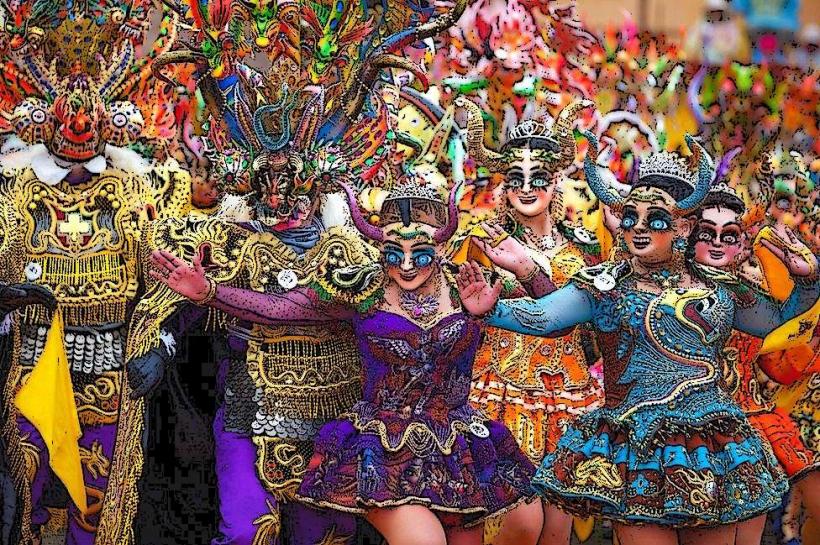
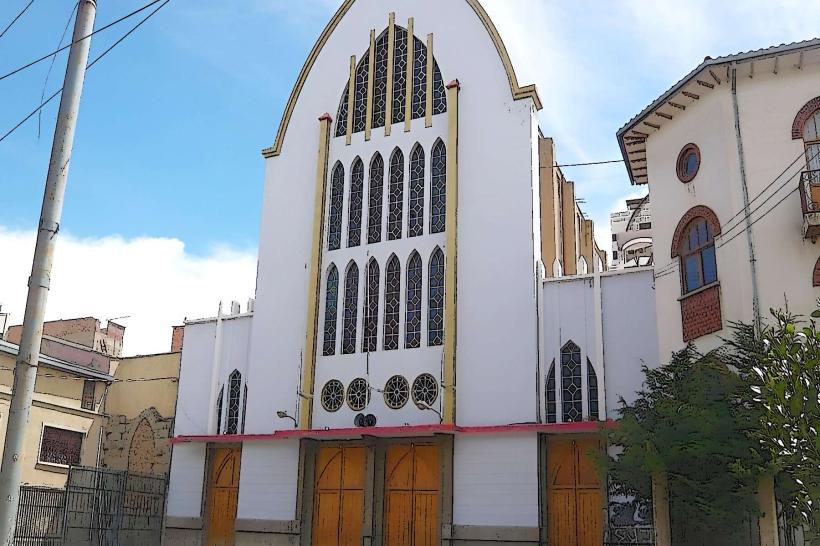
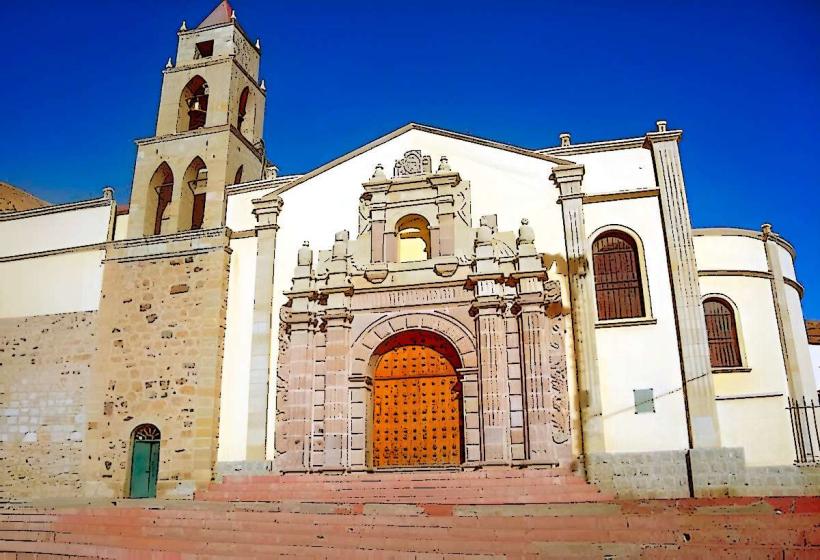
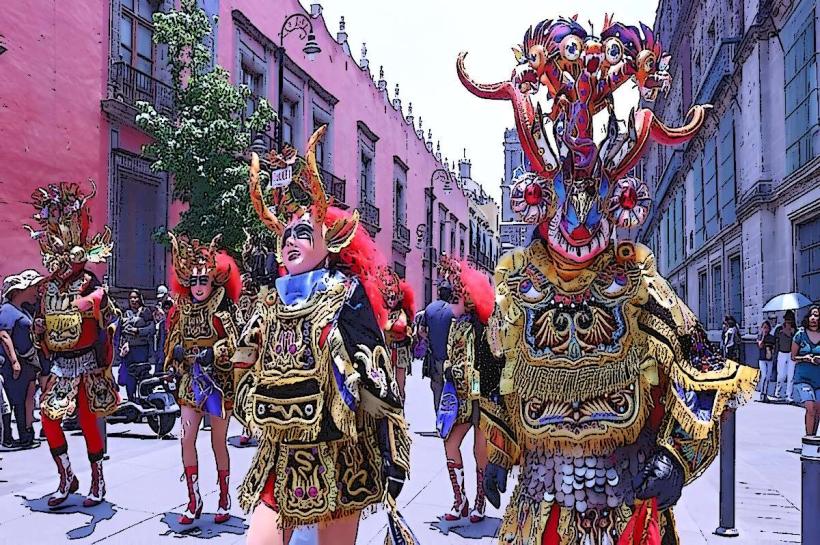
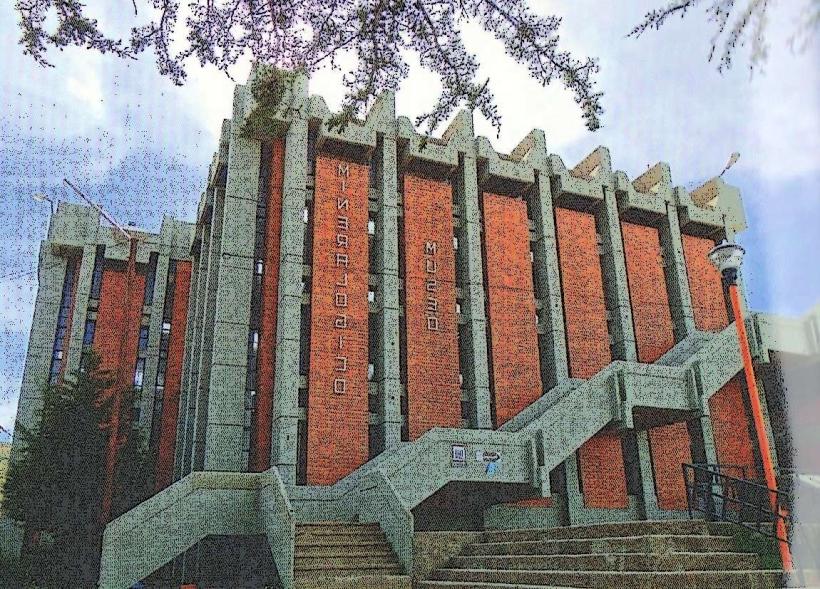
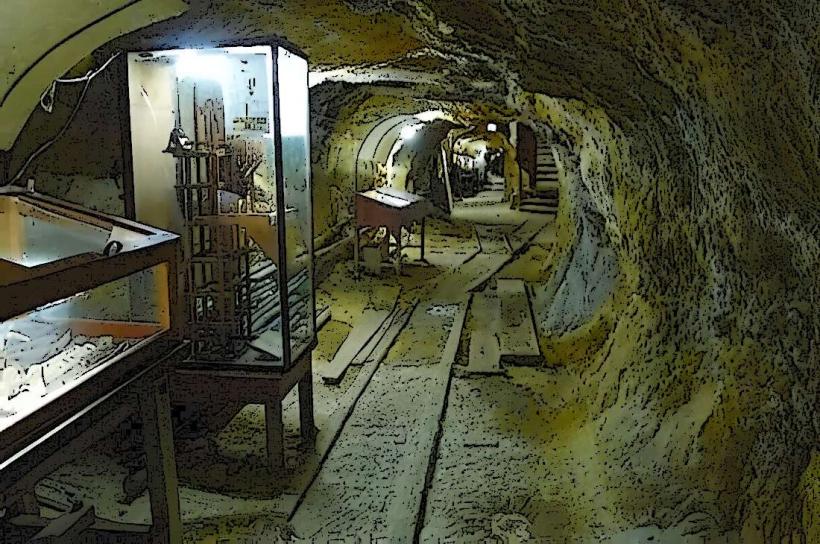
In Oruro, Bolivia, the Museo Nacional de Oruro stands as a cornerstone of the city’s culture, where worn silver masks and vibrant textiles tell its story, consequently it’s devoted to keeping the region’s history alive, from long-held traditions to treasured stories, and sharing them with anyone willing to listen, kind of Right in the city’s bustling center, the museum draws anyone eager to dive into its rich history, art, and cultural heritage-you can almost hear the creak of vintage wooden floors as you explore, as well as the Museo Nacional de Oruro stands at the heart of the city’s story, safeguarding its mining legacy, indigenous traditions, and centuries-aged religious rituals, much like the dust-covered silver tools still on display in its quiet halls.Just so you know, It traces the region’s story from pre-Columbian days, when stone temples lined the hills, all the way to the present, on top of that at the museum, visitors dive into the rich traditions, lively social customs, and key historical moments that have shaped Oruro into the vibrant city it is today, from the beat of a carnival drum to the scent of fresh market spices.Exhibits and Collections: The museum showcases everything from ancient pottery still dusted with time to vivid textiles and striking works of art, spanning archaeological, ethnographic, and artistic themes, meanwhile among the standout collections are Pre-Columbian artifacts-tools worn smooth by use, hand-shaped pottery, and vividly woven textiles from the indigenous cultures that once thrived in the region, a little Mining history: Exhibits trace Oruro’s past through worn tools, ancient photographs, and stories that show how mining shaped the city’s growth, its economy, and daily life, on top of that the museum showcases exhibits on the Carnaval de Oruro, a vibrant celebration of music, dance, and glittering costumes that ranks among Bolivia’s most celebrated and world-famous festivals.Honestly, The displays showcase vibrant carnival traditions-embroidered costumes, painted masks, rhythmic dances, and time‑honored rituals, furthermore religious art: With Oruro’s deep Catholic roots, the museum displays paintings, sculptures, and devotional objects-like a worn silver pendant-honoring the Virgen del Socavón and Santa Bárbara, the miners’ patron saint.Mind you, The museum displays art and artifacts from both the colonial and republican eras, tracing Oruro’s story from the days of Spanish rule to the moment it claimed independence, including worn silver chalices that once gleamed under candlelight, and architectural Heritage: The museum sits inside a centuries-timeworn building, its tall wooden doors and whitewashed walls echoing the colonial style once common across Bolivia.It appears, The structure stands as proof of the city’s changing architecture, offering a peek at design touches from centuries past-like the worn stone arches still framing its entrance, meanwhile the building’s historic charm pairs effortlessly with the exhibits inside, making the visit richer-like hearing soft floorboards creak under your steps as you explore, roughly Educational Role: The Museo Nacional de Oruro stands at the heart of the city’s learning, guiding visitors through history with the quiet creak of wooden floors beneath their steps, along with it’s a go-to source for students, researchers, and anyone curious about Bolivia’s history, culture, and art, from ancient textiles to vibrant street murals.The museum hosts workshops, lectures, and short-term exhibits, offering deep glimpses into the region’s heritage-like the scent of fresh cedar in a woodworking class, while the museum helps keep local traditions alive-especially those tied to the Carnaval de Oruro-by showing visitors how the festival began and why the people of Oruro still dance in shining, glittering costumes each year.The Museo Nacional de Oruro shines a spotlight on the Carnaval de Oruro, a dazzling celebration of color and music that UNESCO hails as a Masterpiece of the Oral and Intangible Heritage of Humanity, besides the museum brings the carnival’s story to life, revealing its history, rituals, and cultural meaning through vibrant dances like the Diablada, the pulse of drumbeats, and the shimmer of sequined costumes.Visitors can wander among vivid costumes, watch masks whirl in a lively dance, and listen to the thrum of traditional drums at the carnival, simultaneously the exhibits shed light on the event’s religious and cultural meaning, a vivid mix of Catholic rituals and Andean customs, like woven blankets laid beside the altar.The museum works to protect Oruro’s history and culture, carefully preserving artifacts and stories from the city and nearby villages, besides it’s central to studying artifacts, vintage manuscripts, and oral traditions, helping deepen our understanding of Bolivia’s many cultures, from the highland villages to the Amazon’s river communities.The museum researches indigenous traditions, mining history, and local folklore, preserving Oruro’s identity-from the rhythm of festival drums to the grit of historic mine shafts-so future generations can understand and value it, to boot tourism and Visitor Experience: For anyone exploring Oruro, the Museo Nacional is a must-observe stop, where luminous murals greet you at the door.It gives you a vivid, well-rounded behold at Oruro and Bolivia, offering useful insights into their history-like the clang of festival drums echoing through the streets, then you can wander through the galleries and linger over a favorite painting, or join a guided tour for a deeper peek at the stories behind the exhibits.The museum doubles as the community’s cultural hub, where neighbors gather to admire their heritage, join lively festivals, and keep the city’s traditions alive, as a result the Museo Nacional de Oruro stands at the heart of the city’s cultural and historical identity, its timeworn stone walls echoing stories from centuries past.The museum takes you from the worn stone tools of the pre-Columbian era to the sparkling masks of today’s festivals, offering a vivid, full picture of Oruro’s history and culture, along with whether you’re drawn to ancient pottery shards, sacred traditions, mining lore, or the lively drums of the Carnaval de Oruro, this museum offers an absorbing journey that brings Bolivia’s vibrant heritage into sharper focus.
Author: Tourist Landmarks
Date: 2025-09-18