Information
Landmark: Museu Clube da EsquinaCity: Belo Horizonte
Country: Brazil
Continent: South America
Museu Clube da Esquina, Belo Horizonte, Brazil, South America
Overview
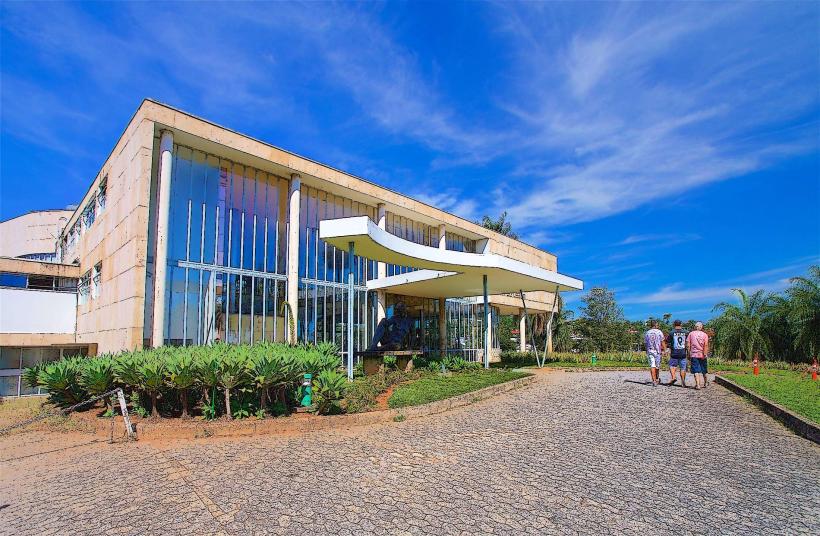
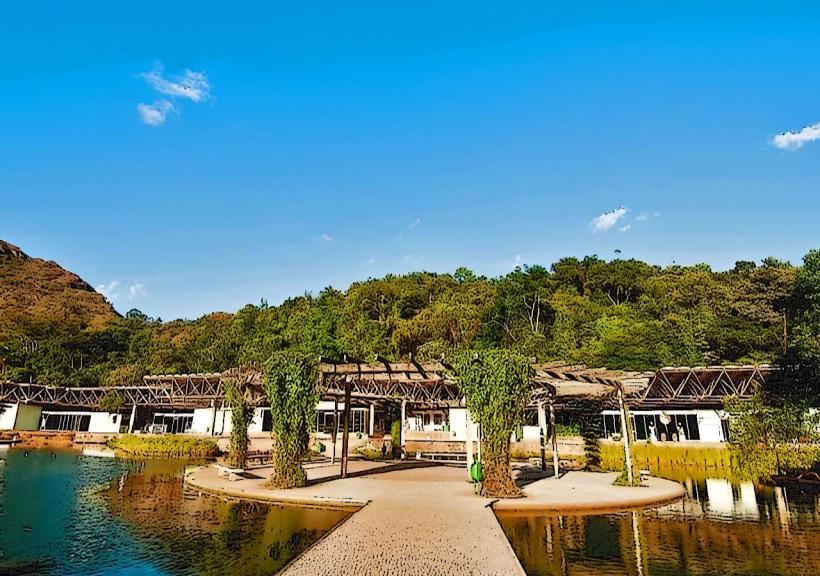
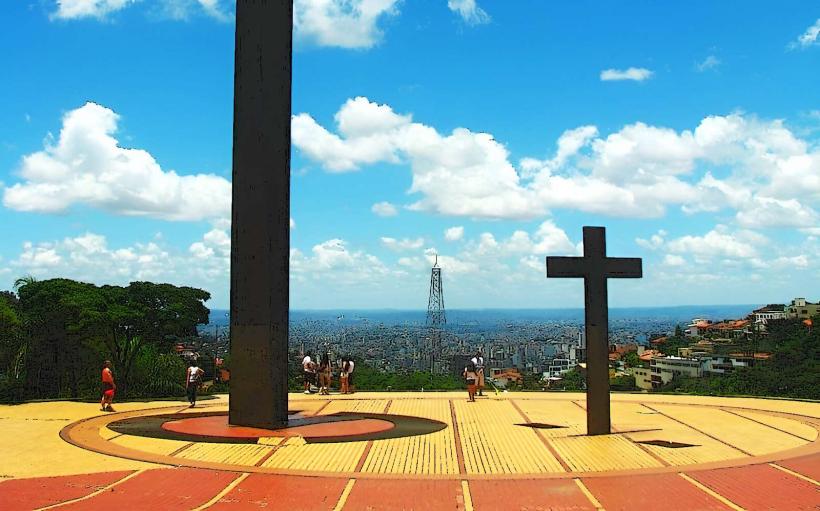
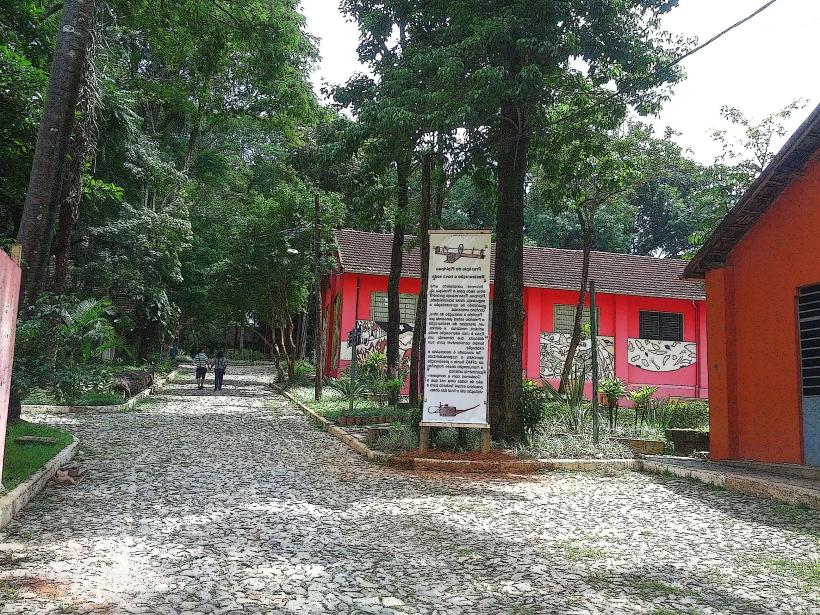
In Belo Horizonte, Brazil, the Museu Clube da Esquina celebrates the legendary music movement of the same name, filling its rooms with classical guitars, worn album covers, and stories from the era, in addition blending bossa nova, jazz, MPB (Música Popular Brasileira), and rock, the movement burst onto Brazil’s music scene in the late 1960s, leaving rhythms as warm and dazzling as a summer night and shaping one of the country’s most influential styles.As it turns out, The museum celebrates and safeguards the cultural and musical legacy of Clube da Esquina, shining a light on legends like Milton Nascimento and Lô Borges, whose songs still echo like warm guitar chords in a quiet room, as a result let’s take a closer glance at the Museu Clube da Esquina, starting with its first exhibit-faded concert posters lining the entry wall, almost The Museu Clube da Esquina sits in Santa Tereza, a historic Belo Horizonte neighborhood where classical cobblestone streets hum with music and culture, at the same time address: Rua Paracatu, 150 – Santa Tereza, Belo Horizonte, MG, Brazil, just past the corner café, in some ways The museum sits just steps from some of the city’s most significant historical and cultural sites, making it a must-visit for anyone eager to explore the rich heritage of Belo Horizonte and the broader Minas Gerais region, also number two.Clube da Esquina, or “The Corner Club,” wasn’t an actual clubhouse-it was a groundbreaking music movement from Belo Horizonte that united bold talents like Milton Nascimento and Lô Borges, often gathering with guitars under the warm streetlights, moreover in the late 1960s, the movement took shape, weaving together the smooth improvisation of jazz, the electric edge of rock, and the warm rhythms of Brazil’s traditional music.Released in 1972, the album *Clube da Esquina*-born from the collaboration between Milton Nascimento and Lô Borges-stands among the most celebrated recordings in Brazil’s musical history, its opening guitar chords still vivid as morning light, meanwhile the album’s praised for its intricate layers, bold ideas, and the seamless way it weaves together jazz riffs, rock beats, and electronic textures.The museum was built to honor this legacy and give visitors a area to explore the movement’s impact on Brazilian music, culture, and identity-like hearing a samba melody drift softly from a nearby exhibit, not only that three, slightly often The Museu Clube da Esquina showcases a rich mix of exhibits, most centered on the Clube da Esquina movement and how it shaped Brazilian music, from worn guitar strings to faded concert posters, subsequently the museum’s collection spans from worn guitars and vivid stage costumes to photographs and keepsakes tied to icons of the movement such as Milton Nascimento, Lô Borges, Beto Guedes, Flávio Venturini, and Fernando Brant, sort of A standout feature is the vinyl collection, especially the first pressings of the Clube da Esquina album, their sleeves worn soft at the edges, capturing the music’s evolution and its influence at home and abroad, moreover you’ll find multimedia displays that bring the musicians’ history and stories to life, along with audio-visual installations where you can hear the crackle of vinyl and watch the movement’s most unforgettable performances.Number four, subsequently the museum stages temporary exhibitions that dive into different sides of the Clube da Esquina movement-from its cultural roots and role in shaping Brazilian music to the social and political forces that gave it voice.Live shows and tribute concerts regularly fill the air with the sound of Clube da Esquina, letting its music breathe again, meanwhile these performances often bring in musicians moved by the movement’s spirit-or those who once stood in its crowds, guitar in hand.The museum also hosts workshops and educational programs, from hands-on art classes to history talks that fill the room with the smell of classical books, besides the programs welcome kids and adults alike, focusing on Brazilian music history and the enduring legacy of the Clube da Esquina, where melodies once spilled from corner cafés into the night air.Not surprisingly, Five, in turn the Clube da Esquina movement wasn’t just a music style-it was a cultural revolution, weaving together the rhythms of Brazilian folk, the sway of foreign melodies, and the grit of political resistance in a turbulent chapter of the country’s history.The museum offers a vivid window into Brazil’s cultural life in the 1960s and ’70s, especially in Minas Gerais, where the walls still echo with the sounds of protest songs and street festivals, while it shows how music became deeply bound to political and social struggles, especially under the military dictatorship from 1964 to 1985, when singers stood on dimly lit stages, turning their songs into acts of defiance.Number six, as well as at the Visitor Experience Museu Clube da Esquina, guests step into the vibrant world of Brazilian music, hearing the soft strum of guitars as they explore the rich history of the legendary Clube da Esquina.Inside the museum, every detail feels steeped in the 1960s and ’70s-retro displays glow under warm light, vintage songs crackle softly from classical speakers, and interactive exhibits pull you into the era, at the same time the museum draws music lovers, history buffs, and anyone curious about how Brazilian popular music has grown, from the crackle of vintage records to today’s vibrant sounds.I think, It also offers a richer examine at the Minas Gerais region, from its intricate baroque churches to the vibrant music that still fills its streets, furthermore seven.Nearby Attractions – Santa Tereza Neighborhood: Just beyond the museum, cobblestone streets lead to lively bars, intimate music halls, and cozy cultural spaces where the spirit of Clube da Esquina still hums in the air, furthermore praça Rui Barbosa sits just a short stroll from the museum, a lively square where you might catch music drifting from a stage or neighbors gathering for a weekend fair.Honestly, The Museu de Artes e Ofícios in Belo Horizonte showcases Brazil’s artisanal and industrial past, from hand-carved wooden tools to the clang of classical metal presses, offering a vivid peek at the region’s craftsmanship and trade, alternatively lagoa da Pampulha is one of Belo Horizonte’s iconic spots, where calm waters meet striking modernist buildings, including Oscar Niemeyer’s sculpted curves in concrete, under certain circumstances Eight, furthermore the museum is open Tuesday through Sunday, its doors unlocking at ten each morning, and stays closed on Mondays.Opening hours can shift with the season, so check ahead-one winter, the gate didn’t open until the frost burned off, after that you might pay a petite fee to get into the museum, but on certain days-like a holiday or anniversary-you could roam in free or at a discount.As you can see, The museum welcomes visitors with disabilities, offering a smooth ramp at the entrance and restrooms designed for easy access, likewise in the end, the Museu Clube da Esquina stands as a heartfelt tribute to one of Brazil’s most groundbreaking music movements, where guitar strings once hummed late into warm Belo Horizonte nights.With its carefully chosen collections, lively exhibits, and memorable events, the museum keeps the spirit of Clube da Esquina alive, inspiring recent generations to feel the rhythm and history of Belo Horizonte and Minas Gerais, in turn whether you love Brazilian music, have a passion for history, or are simply curious about the story behind Clube da Esquina, you’ll want to step inside this museum in Belo Horizonte, where the walls hum with heritage guitar chords.
Author: Tourist Landmarks
Date: 2025-09-17