Information
Landmark: Museum of Warmia and MazuryCity: Olsztyn
Country: Poland
Continent: Europe
Museum of Warmia and Mazury, Olsztyn, Poland, Europe
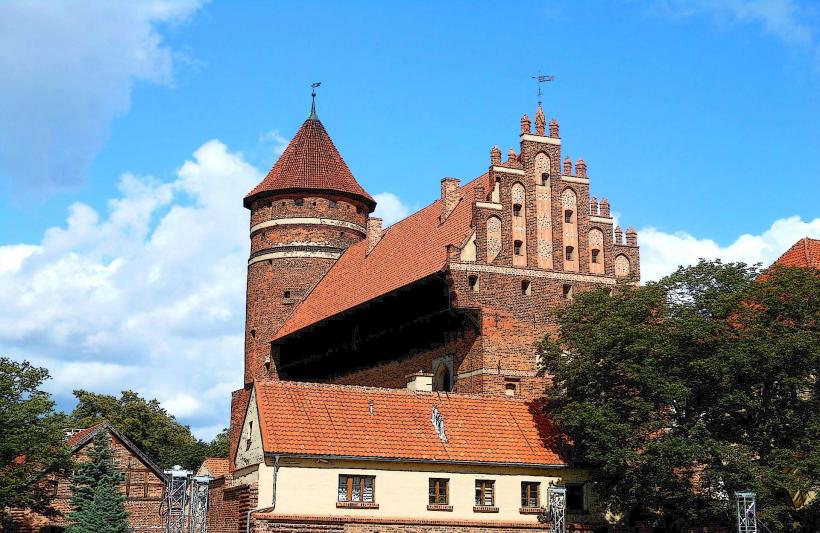
The Museum of Warmia and Mazury is the largest cultural institution in the region, headquartered in the 14th-century Castle of the Warmian Cathedral Chapter. It is globally recognized for its direct association with Nicolaus Copernicus, who served as the castle's administrator.
Visual Characteristics
The museum is housed in a red-brick Gothic fortress featuring a massive cylindrical tower and a sprawling central courtyard. Architectural highlights include internal cloisters with diamond and crystal vaulting, particularly in the refectory. The structure retains its medieval defensive character, integrated into the remnants of the city walls.
Location & Access Logistics
The main seat is located at Ulica Zamkowa 2, situated on a hill at the western edge of the Old Town.
Public Transport: From the Olsztyn Główny railway station, take bus lines 12 or 15 to the "Zamkowa" stop. Alternatively, tram lines 1, 2, and 3 stop at "Wysoka Brama," a 5-minute walk from the castle.
Parking: The immediate area is a restricted traffic zone. Paid public parking is available at Ulica Nowowiejskiego or Ulica Wyzwolenia.
Walking: It is approximately 0.4km from the Market Square, accessible via Ulica Garncarska.
Historical & Ecological Origin
The castle was built between 1348 and 1353 by the Warmian Chapter. The museum was formally established in 1945. Its most significant historical period occurred between 1516 and 1521 when Nicolaus Copernicus resided here. During this time, he managed the chapter's estates and successfully organized the city's defense against the Teutonic Knights in 1521.
Key Highlights & Activities
Astronomical Table: The museum preserves the world's only surviving original astronomical instrument used by Copernicus: a 7-meter hand-drawn table on the cloister wall used to observe the sun and equinoxes.
Copernicus Chamber: Visitors can enter the room where the astronomer lived and worked, containing exhibits on his scientific findings.
Castle Tower: For a fee, visitors can climb the tower for a 360-degree view of Olsztyn and the Łyna River.
Collections: Permanent displays include Gothic sculpture, Warmian religious painting, and regional archaeology.
Infrastructure & Amenities
The museum includes a ticket office and a gift shop in the main hall. Restrooms are accessible to visitors on the ground floor. The castle courtyard is open for public access, often hosting outdoor events and concerts during the summer. While the historic masonry keeps the interior cool, accessibility for mobility-impaired visitors is limited in the upper floors and tower due to steep, narrow stairs.
Best Time to Visit
The museum is best visited on weekday mornings (10:00–12:00) to avoid school groups and tours. The castle is typically closed on Mondays. For photography, late afternoon provides the best light on the brick facade from the park side (Podzamcze Park), while the internal cloisters are best viewed at midday.
Facts & Legends
The astronomical table was "lost" for centuries behind partition walls and plaster, only being rediscovered and conserved in the 19th and 20th centuries. A local legend suggests that Copernicus hid his original manuscripts within the castle walls during the Teutonic siege, though no such documents have ever been recovered on-site.
Nearby Landmarks
Nicolaus Copernicus Bench: 0.1km East
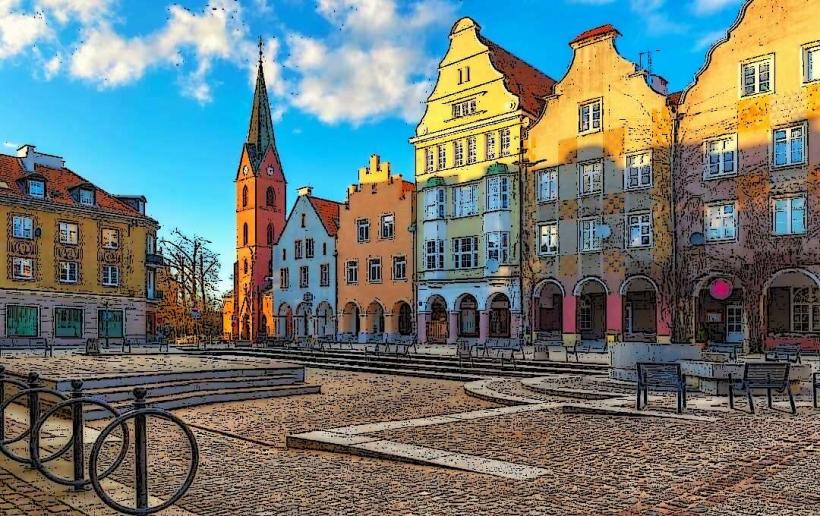
Old Town Hall: 0.4km East
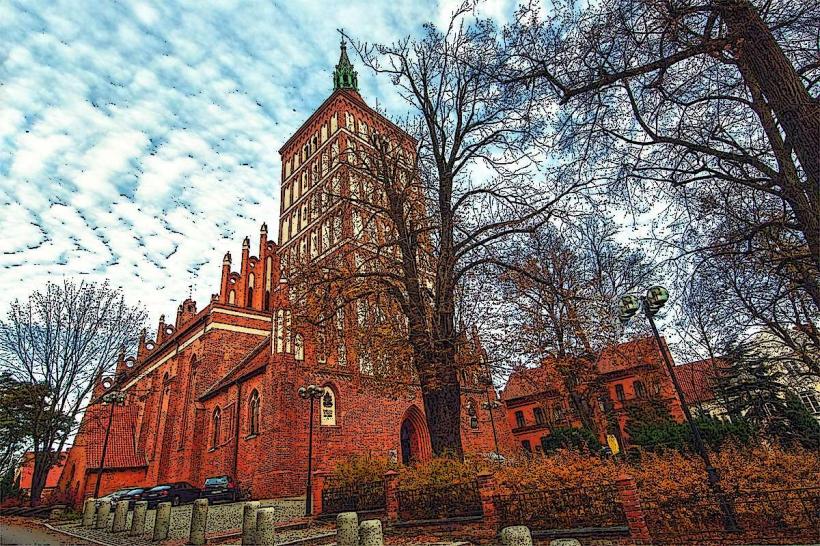
St. James' Cathedral: 0.5km Southeast
Wysoka Brama (High Gate): 0.3km East
Podzamcze Park: 0.1km West (immediately adjacent)