Information
Landmark: Mweka CampCity: Moshi
Country: Tanzania
Continent: Africa
Mweka Camp, Moshi, Tanzania, Africa
Mweka Camp
Mweka Camp is one of the key campsites located on the Mweka Route and is typically the final stop for climbers descending from the summit of Mount Kilimanjaro. It is situated at an altitude of approximately 3,100 meters (10,170 feet) and is commonly used by climbers descending after summiting the mountain. However, it can also be used as a stopping point for climbers on certain routes, especially the Mweka Route.
Key Features of Mweka Camp
1. Location
- Mweka Camp is located on the southern slope of Mount Kilimanjaro, close to the Mweka Gate, which serves as the exit point for climbers finishing their trek.
- The camp lies just below the alpine desert zone and is surrounded by forests, offering a transition from the barren, rocky landscape near the summit to the lush vegetation found at the lower elevations.
2. Accommodation
- The camp provides tent-based accommodations, as climbers typically use Mweka Camp on their way down after summiting Kilimanjaro.
- It is a well-established campsite with basic facilities, including shared toilets and water points. It is a relatively comfortable stop compared to higher-altitude camps.
3. Scenic Views
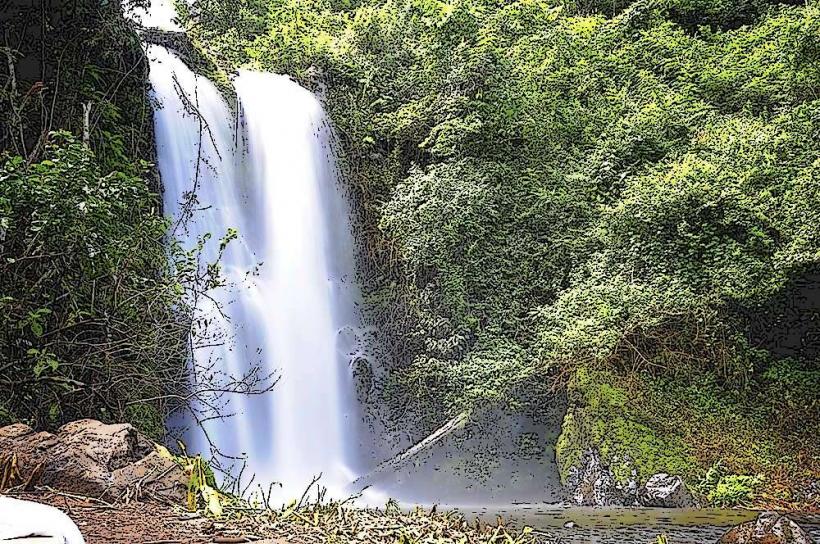
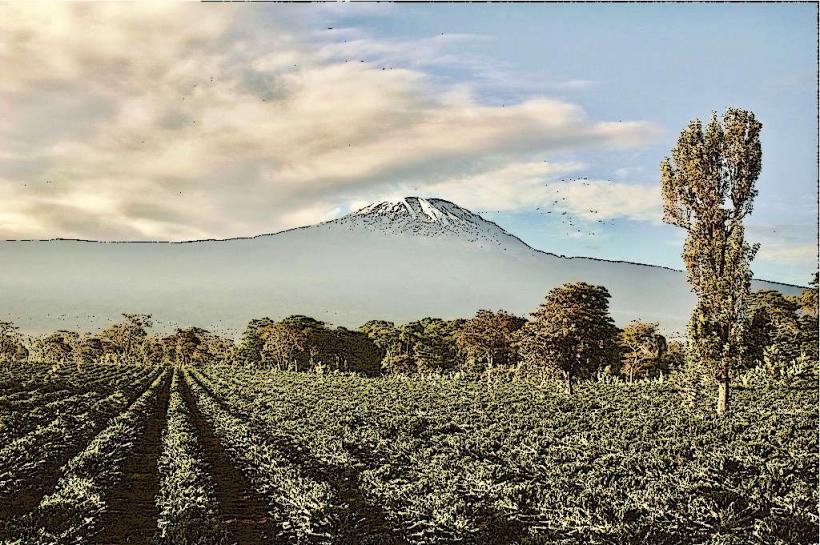
- Mweka Camp offers stunning views of the Kilimanjaro rainforest and the lower slopes of the mountain. The dense cloud forest surrounding the area makes for a beautiful setting, with a contrast between the higher, barren parts of Kilimanjaro and the lush, verdant landscape at Mweka Camp.
- Sunsets and sunrises from Mweka Camp are often particularly scenic, as the forest and surrounding landscape are bathed in golden light.
4. Purpose and Role
Mweka Camp is primarily a descent camp, meaning that most climbers will spend a night here after summiting Kilimanjaro. It is the final stop before reaching Mweka Gate at the base of the mountain, which serves as the exit point for climbers completing their journey.
It provides climbers with the opportunity to rest and recover after the strenuous summit attempt before continuing their descent.
5. Hiking and Duration
If you're climbing via the Mweka Route, Mweka Camp serves as a primary stop for overnight rest. Climbers typically arrive here after trekking down from Barafu Camp or Uhuru Peak. The descent from Uhuru Peak to Mweka Camp usually takes around 6-8 hours, depending on conditions and the pace of the group.
For those trekking through the Machame Route or Lemosho Route, the Mweka Camp can be reached as part of the descent or used as an intermediate camp.
6. Access and Facilities
The Mweka Route is one of the routes where climbers can use Mweka Camp as a final stop before descending to the Mweka Gate.
The campsite is equipped with basic amenities, such as:
- Tents for overnight stays
- Toilets (typically pit latrines)
- Water stations
- Dining areas for meals
Climbers often spend only a short time here to rest before the final descent, but it is an essential stop for acclimatization as the altitude decreases.
7. Best Time to Visit
- The best time to visit Mweka Camp is during the dry season, which runs from June to October and December to February. These months offer better hiking conditions with clearer skies and less rainfall. The rainy season (March to May) can make trekking more challenging due to wet and slippery trails.
Conclusion
Mweka Camp is an essential stop for climbers descending from the summit of Mount Kilimanjaro, providing a peaceful and scenic location to rest before completing the final stretch down to Mweka Gate. It is surrounded by beautiful rainforests and offers views of the lower slopes of Kilimanjaro, making it a memorable part of the journey down the mountain.