Information
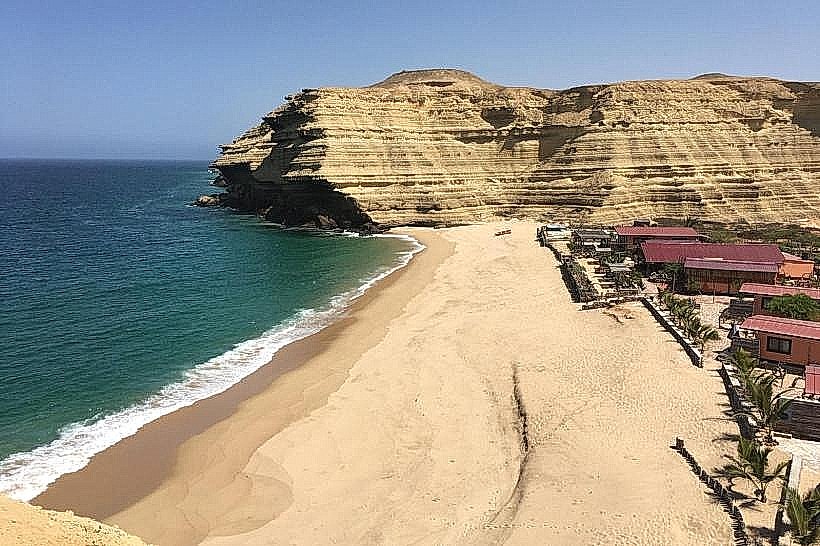
Landmark: Namibe Beach (Praia do Namibe)City: Namibe
Country: Angola
Continent: Africa
Namibe Beach (Praia do Namibe), Namibe, Angola, Africa
The Puthia Temple Complex is a collection of significant Hindu temples located in Puthia Upazila, Rajshahi Division, Bangladesh.
Visual Characteristics
The complex features several brick-built temples, predominantly in the Pancharatna (five-pinnacled) and Navaratna (nine-pinnacled) architectural styles. The primary material is terracotta, with intricate carvings depicting mythological scenes, floral motifs, and geometric patterns. The largest temple, the Shiva Temple, is notable for its cylindrical shikhara (tower). The Puthia Rajbari (palace) is a two-story structure with arched entrances and decorative plasterwork.
Location & Access Logistics
Puthia is situated approximately 25 kilometers east of Rajshahi city center. Access is via National Highway 6 (N6), turning off at the Puthia intersection. The temple complex is located within Puthia town, accessible by local roads. Parking is available on-site, though it can be informal. Public transport options include local buses traveling between Rajshahi and Natore, which stop at Puthia. From the bus stop, the complex is a short walk or rickshaw ride.
Historical & Ecological Origin
The temples were constructed primarily during the late 18th and 19th centuries by the Zamindars (landlords) of Puthia. The Shib Temple dates to 1823, built by Rani Bhubanmoyee. The Govinda Temple, constructed in the 19th century, is attributed to the same family. The complex is situated on relatively flat alluvial plains characteristic of the Ganges delta region.
Key Highlights & Activities
Exploration of the various temples, including the Shib Temple, Govinda Temple, Choto Govinda Temple, and Puthia Rajbari. Observation of the detailed terracotta artwork. Photography of the architectural features. Walking through the temple grounds and surrounding village.
Infrastructure & Amenities
Basic restroom facilities are available near the main temple area. Shade is provided by the temple structures themselves and some surrounding trees. Cell phone signal (4G) is generally available. Food vendors are typically present near the entrance to the complex, offering local snacks and beverages.
Best Time to Visit
The best time of day for photography is during the early morning or late afternoon when the sunlight creates distinct shadows on the terracotta carvings. The optimal months for visiting are from October to March, avoiding the monsoon season and extreme heat. There are no tide-dependent activities.
Facts & Legends
A local legend suggests that the intricate terracotta panels were created by artisans who worked in secret overnight, with their work being judged by the landlord each morning. The Puthia Zamindari was one of the largest in Bengal, and the temples reflect the wealth and religious devotion of its rulers.
Nearby Landmarks
- Bagha Mosque: 20km Southwest
- Varendra Research Museum: 25km West
- Shah Makhdum Rupos Tomb: 26km West
- Paharpur Buddhist Monastery (UNESCO World Heritage Site): 55km Northeast