Information
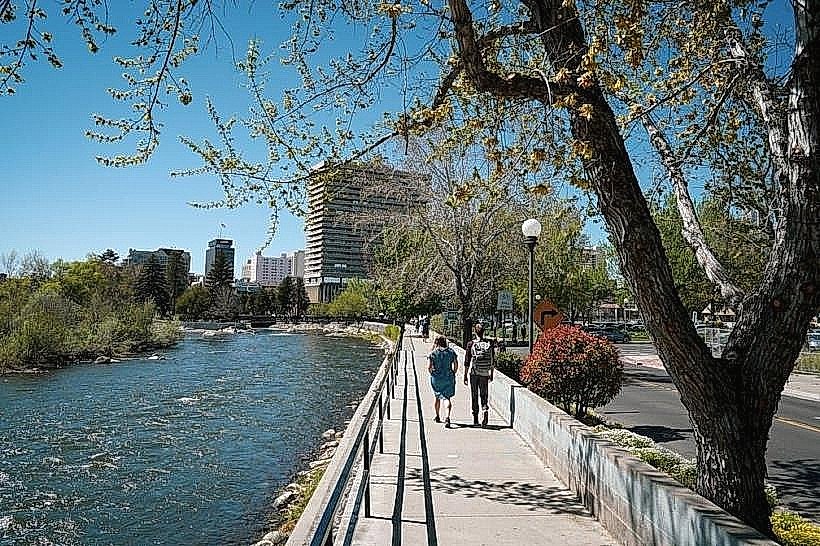
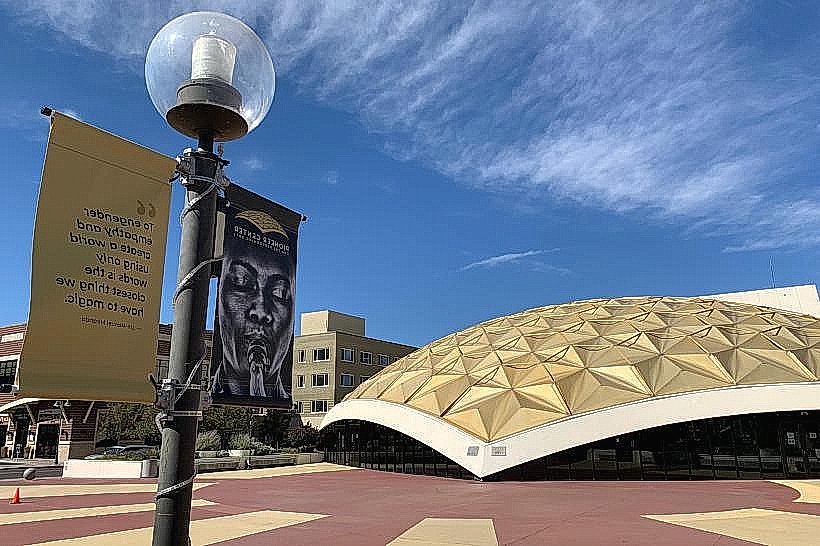
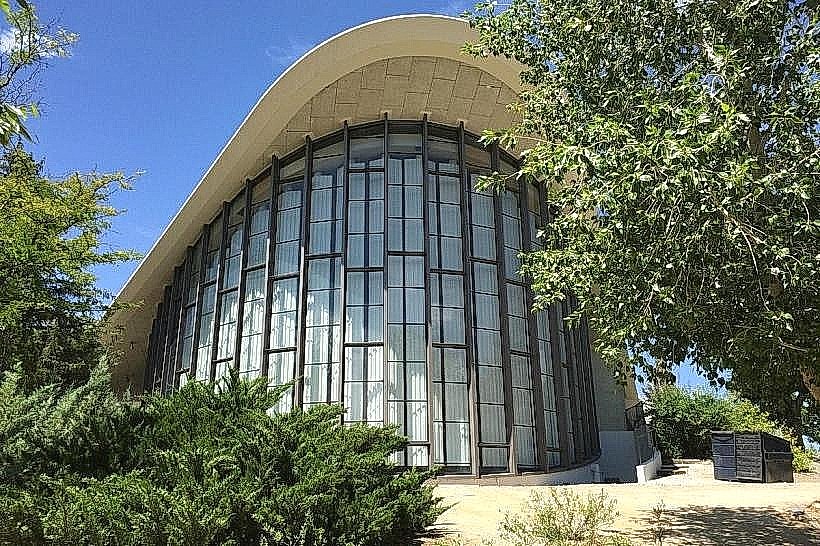
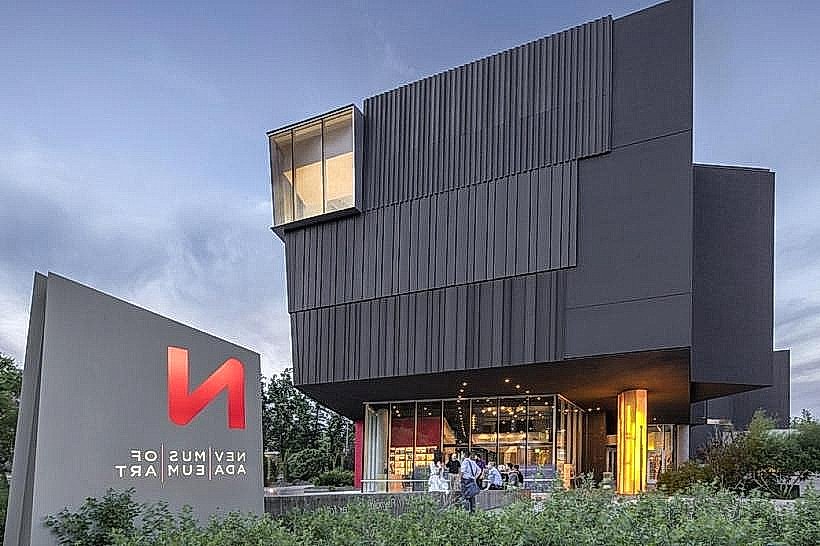
Landmark: National Automobile MuseumCity: Reno
Country: USA Nevada
Continent: North America
National Automobile Museum, Reno, USA Nevada, North America
The Powerhouse Community Arts Center is a former industrial building repurposed for artistic and cultural activities, located in Oxford, Mississippi, USA.
Visual Characteristics
The structure is a brick building with a rectangular footprint, featuring a low-pitched gable roof. Original industrial windows, many now boarded or replaced with solid infill, punctuate the brick facade. The exterior brickwork is predominantly red, showing signs of age and weathering. The building's scale is utilitarian, reflecting its former industrial function.
Location & Access Logistics
The Powerhouse Community Arts Center is situated at 413 South 14th Street, Oxford, MS 38655. It is approximately 1.5 kilometers south of the Oxford town square. Access is via South 14th Street, which is a paved public road. On-site parking is available in a gravel lot adjacent to the building. Public transport options are limited; the nearest bus stop for the Oxford-Lafayette County Public Transit system is approximately 1 kilometer north on Jackson Avenue.
Historical & Ecological Origin
The building was originally constructed in 1924 as a power generation facility for the University of Mississippi. It served this purpose until the 1970s. Following its decommissioning, the building remained vacant for several decades before being acquired and renovated for use as a community arts center, with renovations completed in the early 2000s.
Key Highlights & Activities
The center hosts rotating exhibitions of visual art, performances by local musicians and theater groups, and workshops in various artistic disciplines. Specific events are listed on the center's official schedule. Visitors can view current exhibitions during operating hours.
Infrastructure & Amenities
Restrooms are available within the facility. Limited seating is provided in exhibition and performance areas. Cell phone signal (4G/5G) is generally reliable inside the building. There are no on-site food vendors, but several restaurants are located within a 1-kilometer radius near the town square.
Best Time to Visit
For optimal viewing of exhibitions, visit during standard operating hours, typically Tuesday through Saturday, 10:00 AM to 4:00 PM. The best time of day for interior photography depends on the specific exhibition's lighting setup. Weather is generally most favorable for travel to Oxford between April and May, and September and October.
Facts & Legends
A local anecdote suggests that during its operational years, the power plant's hum could be felt throughout the nearby campus. The building's conversion into an arts center is considered a significant example of adaptive reuse in Oxford.
Nearby Landmarks
- Ole Miss Campus (0.8km North)
- Rowan Oak (1.2km Southwest)
- Oxford Square (1.5km North)
- Lafayette County Courthouse (1.5km North)
- University Museum and Historic Village at Rowan Oak (1.2km Southwest)