Information
Landmark: National Museum of ColomboCity: Colombo
Country: Sri Lanka
Continent: Asia
National Museum of Colombo, Colombo, Sri Lanka, Asia
Overview
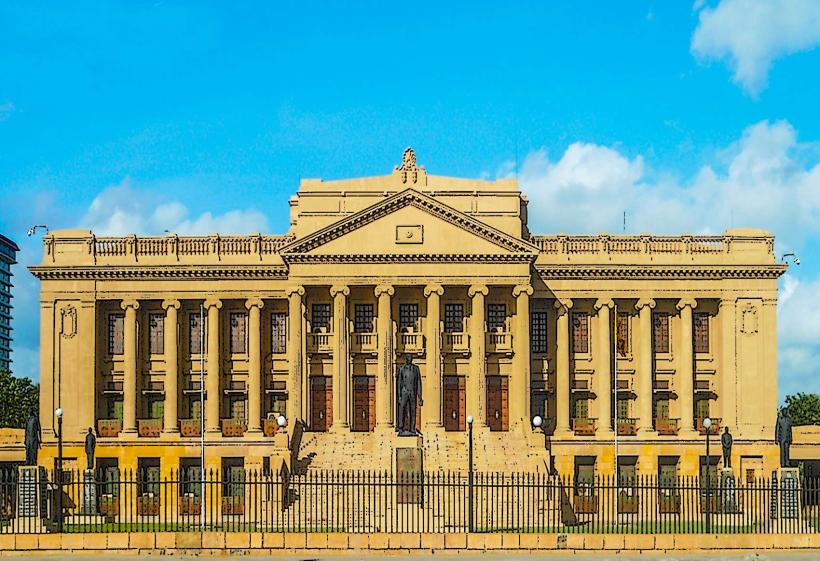
The National Museum of Colombo-officially the Sri Lanka National Museum-stands as the country’s largest and most crucial museum, a venue where centuries-ancient masks, faded manuscripts, and royal regalia bring Sri Lanka’s history and culture vividly to life, also right in the heart of Colombo, it draws visitors into Sri Lanka’s vibrant story-its culture, history, and art-spanning from ancient stone carvings to the elegance of the colonial era and beyond.The museum, founded in 1877 during the British colonial era, sits in Colombo 7 beside the leafy paths of Viharamahadevi Park and a short trek from Independence Memorial Hall, and it’s run by Sri Lanka’s Department of National Museums to safeguard and share the nation’s cultural and historical treasures, along with it’s a center for both learning and research on the nation’s rich cultural heritage, and the building itself-crafted in pale stone by British architect J. G, after that smither-stands as a graceful relic of the colonial era.Curiously, The museum sits in a grand neoclassical building, its tall pillars catching the light, wide halls echoing with footsteps, and a domed roof towering overhead, equally important the museum greets visitors with a grand entrance-tall stone columns rise beside a carved wooden doorway in the traditional Sri Lankan style.The entrance combines Western elegance with Eastern design, welcoming you into radiant, airy galleries; some echo the grandeur of ancient temples and palaces, offering a vivid sense of Sri Lanka’s royal past, at the same time outside, leafy courtyards and gardens frame the building, softening the air with the scent of jasmine, while inside, the National Museum of Colombo holds an impressive array of artifacts, sculptures, manuscripts, and treasured relics.The museum holds treasures from across the centuries, each piece echoing the cultures and influences that shaped Sri Lanka-from delicate Kandyan jewelry to weathered colonial maps, as well as among the museum’s key exhibits are rows of Buddhist statues, some worn smooth with age, many carved during the ancient Anuradhapura and Polonnaruwa periods.The Sri Lanka National Museum houses an extraordinary range of treasures-from serene bronze and stone Buddhas to regal figures and Hindu deities, their features worn smooth by centuries, in conjunction with you’ll find pottery once held in the hands of early settlers, delicate jewelry, and tools from prehistoric and ancient kingdoms, to some extent The regalia of the Kandyan kings gleam under the lights-ceremonial swords, jewel-studded crowns, and embroidered robes once worn in royal courts, as a result rows of palm-leaf and bark manuscripts rest behind glass, some inked with Buddhist scripture, others outlining ancient laws.Fossils and skeletal remains reveal the island’s prehistoric life, while vivid Kandyan-era paintings unfurl scenes of devotion and daily ritual, alternatively shelves of ancient coins trace the rise and fall of dynasties, from early kingdoms to British rule.In a way, The museum’s galleries lead you through Buddhist art-stone carvings, murals, and relics from the spread of the faith-and into the arc of Sri Lanka’s story, from its earliest settlements to the grand cities of Anuradhapura and Polonnaruwa, what’s more you’ll find tools, clay pots still dusted from the past, and stone carvings here, with the Kandyan Art and History Gallery spotlighting the Kandyan Kingdom-the final Sri Lankan realm before the British arrived.The gallery showcases the royal regalia-gleaming crowns, ancient weapons, and vivid paintings tied to the kings and queens of the Kandyan era, consequently in the Colonial History Gallery, visitors follow Sri Lanka’s story through the Portuguese, Dutch, and British years.It holds objects from the colonial administration alongside artifacts showing how Sri Lankans lived under foreign rule, from worn leather-bound ledgers to everyday cooking pots, moreover the National Museum also serves as a vital research hub for scholars exploring the island’s history, archaeology, and culture.Researchers from across the globe come to the museum to study its rich collections, while school groups, university students, and curious tourists join lively programs that bring the history behind each artifact to life; visitors can also catch temporary exhibitions-perhaps a display of intricate Sri Lankan masks or rare pieces on loan from abroad-and, unless it’s a public holiday, the doors are open every day, then hours run from 9:00 a.m, in a sense To 5:00 p.m, though it’s smart to confirm before you go-sometimes they shift, therefore foreign visitors pay a tiny entry fee, about the price of a cup of coffee in most cities.Funny enough, Sri Lankan nationals often get a reduced entry fee, and visitors can sign up for guided tours to explore the exhibits in depth-like pausing at a centuries-heritage carved mask to hear its story, simultaneously the museum offers guides in several languages, including English, and sits within easy reach of Viharamahadevi Park’s shady paths, the historic Independence Memorial Hall, the art-filled Colombo National Gallery, and the ornate Gangaramaya Temple, making it not just a keeper of Sri Lanka’s past but a lively spot where history feels close enough to touch.Somehow, Whether you’re drawn to serene Buddha statues, centuries-vintage relics, traces of colonial rule, or gleaming royal crowns, the museum offers a rare, vivid window into Sri Lanka’s rich and varied past, to boot if you want to understand the nation’s story, you’ve got to visit the National Museum-stand before the weathered maps, and history starts to speak.
Author: Tourist Landmarks
Date: 2025-09-12