Information
Landmark: National Park PelisterCity: Bitola
Country: North Macedonia
Continent: Europe
National Park Pelister, Bitola, North Macedonia, Europe
Visual Characteristics
The park features dense coniferous and deciduous forests, primarily composed of the endemic five-needle pine (Pinus peuce). Its terrain includes glacial cirques, moraines, and two permanent glacial lakes known as Pelister's Eyes. Elevations range from 900 meters to the peak of Pelister at 2,601 meters. Rock formations consist mainly of granite and metamorphic rocks.
Location & Access Logistics
Access to National Park Pelister is primarily via the regional road P1305 from Bitola. The main entrance and information center are located near the village of Nizhepole, approximately 15 km from Bitola city center. Paved roads lead to several mountain lodges within the park, including Kopanki and Molika. Parking is available at designated areas near the lodges and trailheads. Public transport options are limited; local buses from Bitola serve villages at the base of the mountain, requiring further travel by taxi or foot into the park.
Historical & Ecological Origin
National Park Pelister was established in 1948, making it the oldest national park in North Macedonia. Its ecological classification is primarily a mountain forest ecosystem, characterized by its unique flora and fauna, including the relict five-needle pine (Pinus peuce), which dates back to the Tertiary period. The park's landscape was shaped by glacial activity during the last ice age, forming the distinctive cirques and glacial lakes.
Key Highlights & Activities
Hiking is possible on marked trails, including the ascent to Pelister Peak (2,601m) and the trail connecting the two glacial lakes, Big Lake and Small Lake. Mountain biking is permitted on specific routes. Skiing is available during winter months at the Kopanki Ski Center. Wildlife observation, particularly for brown bears, wolves, and various bird species, is possible in remote areas.
Infrastructure & Amenities
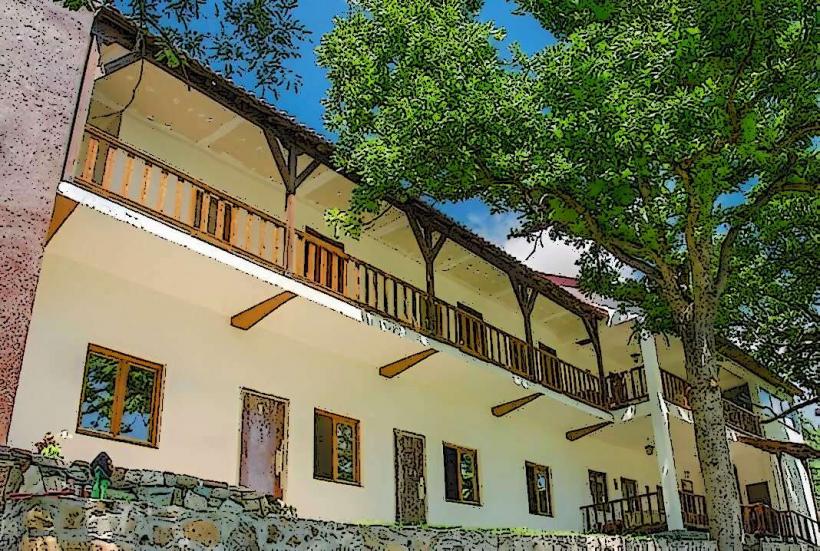
Restrooms are available at the mountain lodges (e.g., Molika, Kopanki) and the park's information center. Limited shade is provided by forest cover along trails. Cell phone signal (4G/5G) is generally available near lodges and higher elevations but can be intermittent in deep valleys. Food vendors and restaurants are present at the Molika and Kopanki mountain lodges.
Best Time to Visit
The best months for hiking and general outdoor activities are from June to September, when trails are clear of snow and temperatures are moderate. For photography, early morning or late afternoon light provides optimal conditions for landscapes and the glacial lakes. Winter sports are best from December to March, depending on snow conditions.
Facts & Legends
A local legend states that the two glacial lakes, known as Pelister's Eyes, were formed from the tears of two sisters who were separated by a mountain spirit. A verified historical oddity is the presence of numerous World War I trenches and bunkers, particularly around the Kajmakčalan area, remnants of the Macedonian Front. A specific tip for visitors is to carry sufficient water, as natural springs can be unreliable during dry periods.
Nearby Landmarks
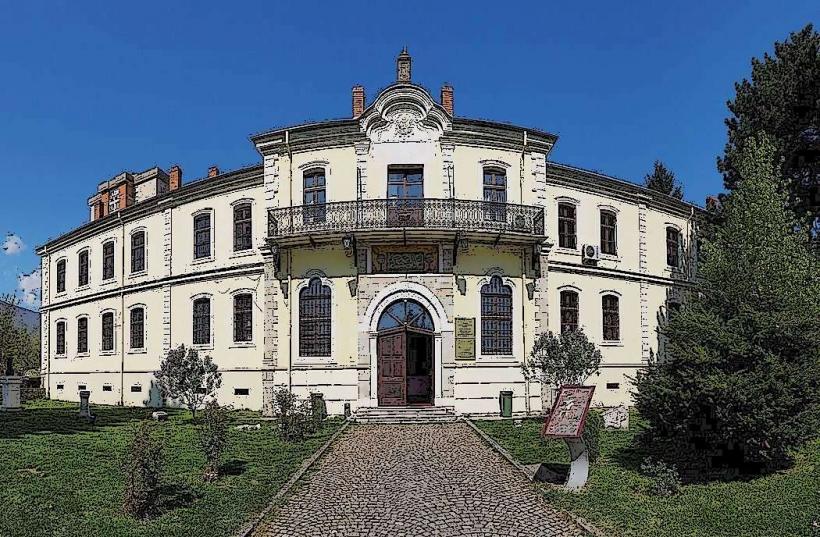
- Bitola City Museum: 15km East
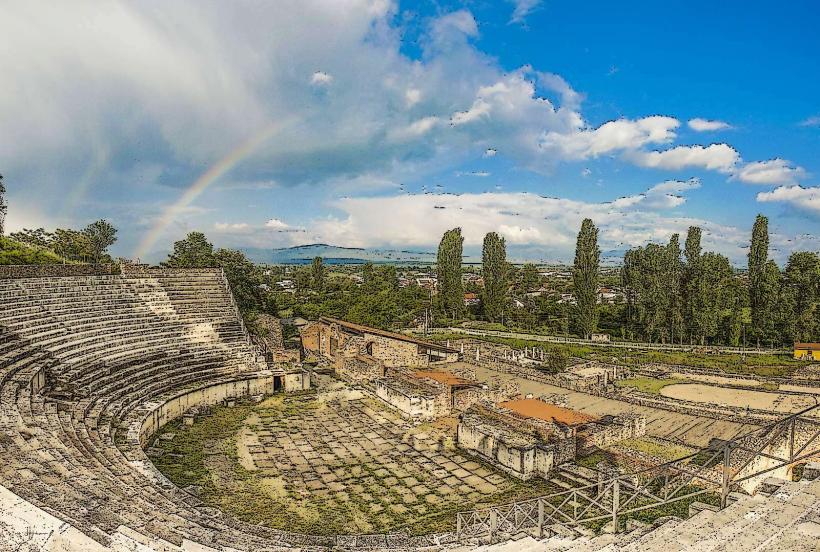
- Heraclea Lyncestis: 17km East
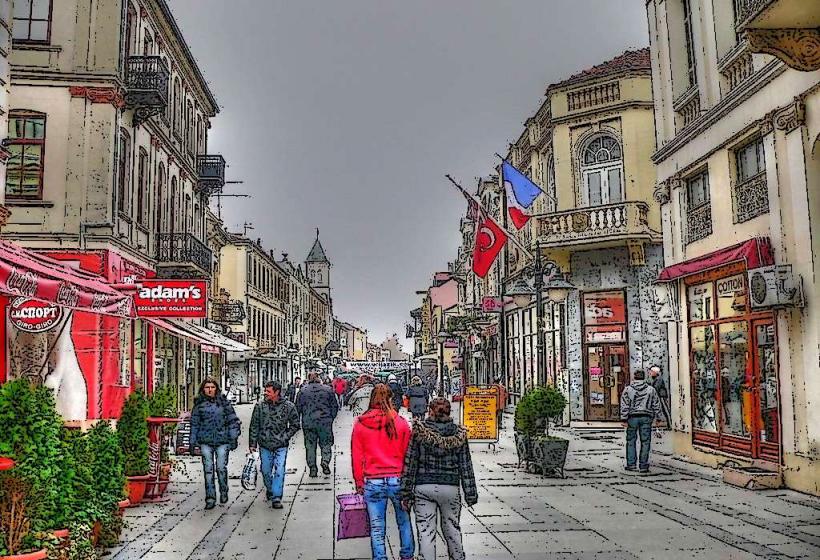
- Shirok Sokak Street (Bitola): 15km East
- Prespa Lake: 30km West