Information
Landmark: Lake PrespaCity: Bitola
Country: North Macedonia
Continent: Europe
Lake Prespa, Bitola, North Macedonia, Europe
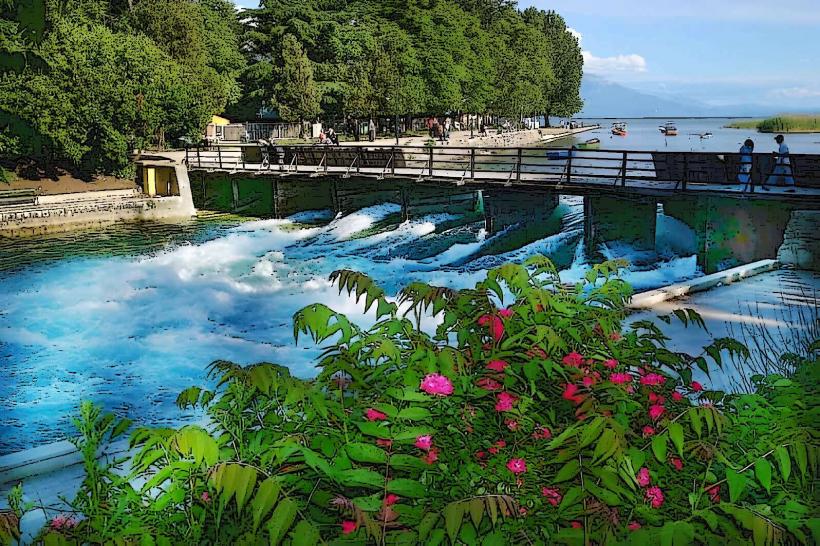
Lake Prespa is one of the most significant natural landmarks in the Balkans and is located at the borders of North Macedonia, Albania, and Greece. This large, deep lake is known for its unique ecological environment, rich biodiversity, and historical importance. It is divided into two parts: Large Prespa and Small Prespa, with both parts offering beautiful landscapes and various opportunities for nature lovers and tourists.
Geographic and Hydrological Features:
Location: Lake Prespa is situated in the Prespa Valley, which spans across the southern part of North Macedonia, the northern part of Albania, and the western part of Greece. It lies at an altitude of around 853 meters (2,798 feet) above sea level, making it one of the highest lakes in the region.
Size: The lake covers an area of approximately 274 square kilometers. The larger part of the lake, known as Large Prespa, is the largest of the two and is mainly located within North Macedonia, while Small Prespa is situated mostly in Greece and Albania.
Water Inflow and Outflow: Lake Prespa receives water from several smaller rivers and springs in the region, but it has no surface outlet. The water from the lake flows out through underground channels, eventually draining into the Aegean Sea. The lake's waters are alkaline, and its chemical composition varies, with some areas being more saline than others.
Ecological Importance:
Biodiversity: Lake Prespa is home to a variety of unique species of plants and animals, making it an important ecological hotspot. It is known for its diverse waterfowl population, including pelicans, herons, and swans. The lake's surroundings also support several endangered species of fish and other aquatic life.
Protected Areas: The lake and its surroundings are part of the Prespa Nature Park, which includes wetlands, mountainous terrain, and forested areas. This area has been designated as a protected zone by several conservation organizations, including the Ramsar Convention, due to its importance as a habitat for migratory birds and other wildlife.
Endangered Species: Some of the most notable species found in Lake Prespa include the Dalmatian Pelican (a vulnerable species), brown fish-owl, and the Prespa trout (a unique fish species endemic to the lake). The lake’s ecosystem is crucial for the survival of these and other rare species.
Historical and Cultural Significance:
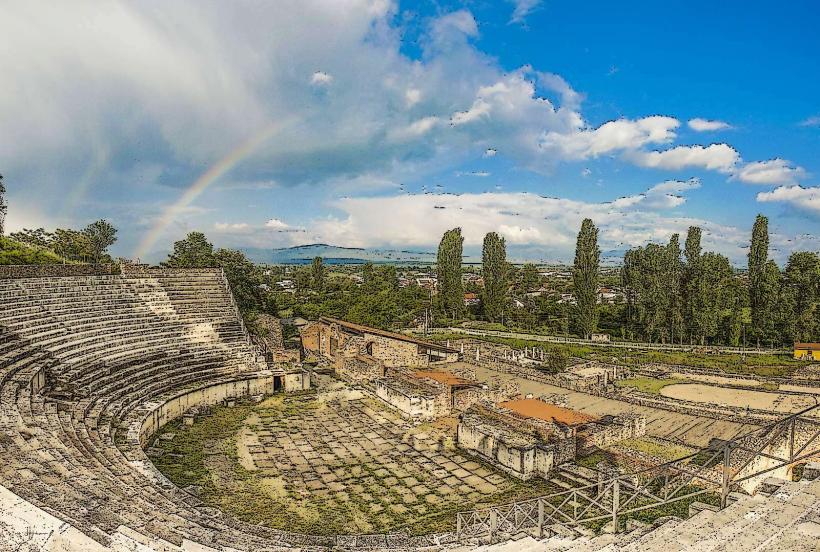
Archaeological Sites: The Lake Prespa region has been inhabited for thousands of years, and there are several archaeological sites around the lake. Ancient Greek, Roman, and Byzantine civilizations have left behind traces of their presence in the area, including ruins of old churches, fortresses, and settlements.
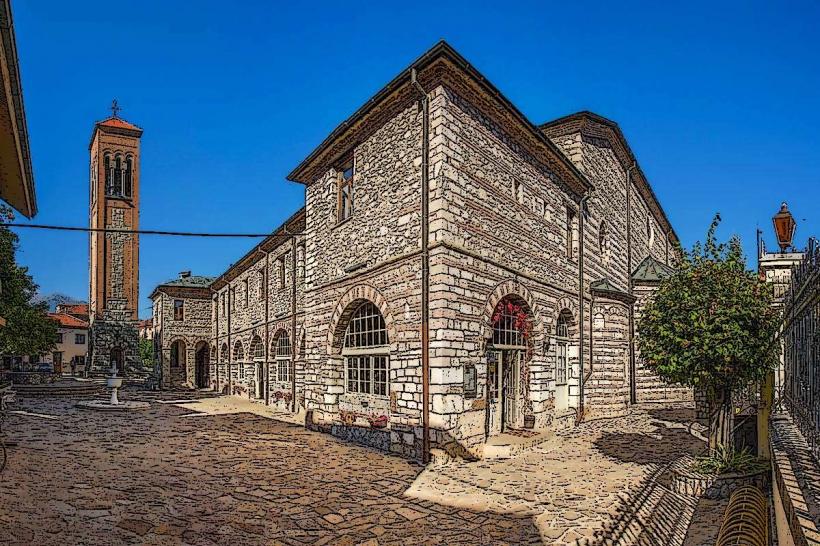
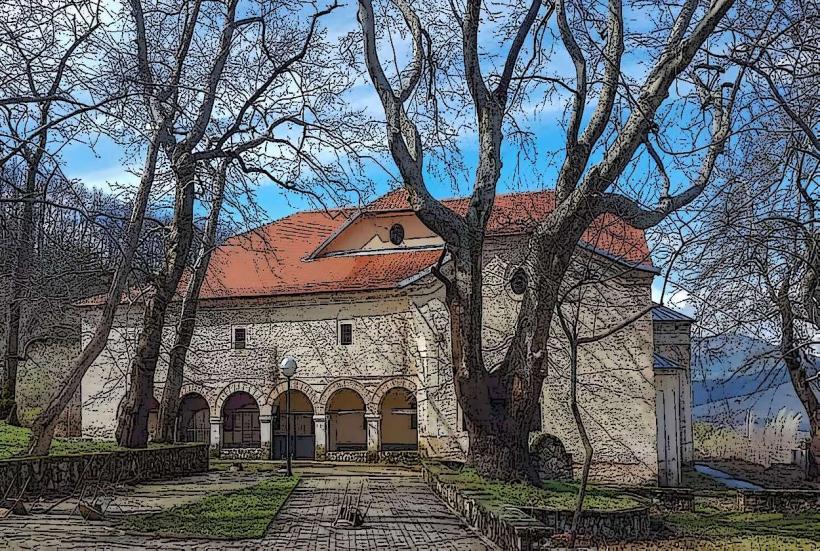
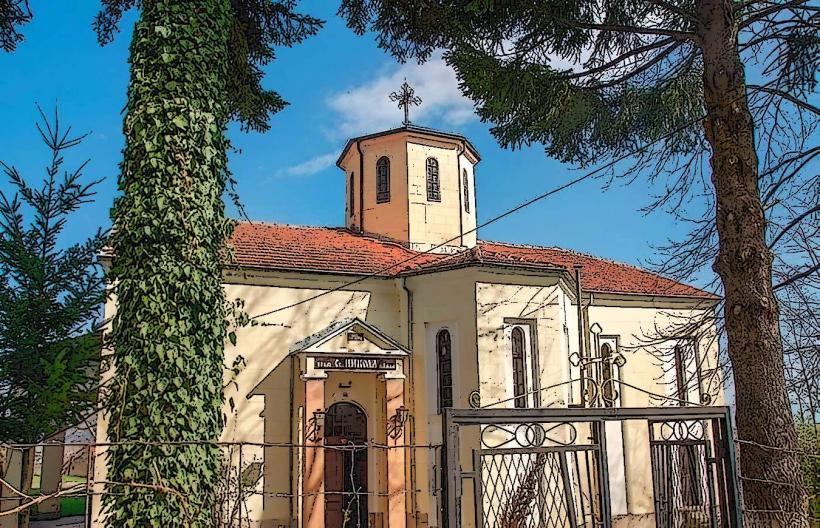
Monasteries and Churches: One of the most important historical sites around Lake Prespa is the Monastery of St. Maria on Small Prespa, which dates back to the 11th century. The monastery is located on an island and is a popular site for pilgrims and tourists alike. The churches surrounding the lake, many of which are Orthodox in tradition, add to the region’s historical richness.
Cultural Heritage: The lake and its surroundings are also known for the traditional villages that dot the region. The ethnographic heritage of the people living in these areas reflects the multicultural aspect of the region, with influences from Greek, Albanian, and Macedonian cultures. The local communities maintain traditional customs, music, and cuisine, which are important to the cultural fabric of the area.
Activities and Tourism:
Boating and Water Sports: Lake Prespa is a popular destination for water-based activities such as boating, fishing, and bird-watching. There are several boat tours available, allowing visitors to explore the lake’s many islands and the surrounding landscapes.
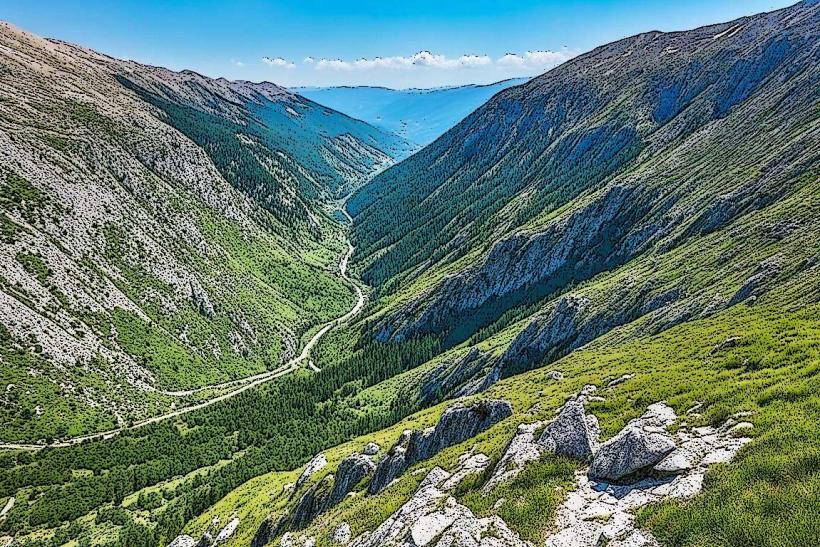
Hiking and Nature Walks: The areas around the lake, particularly in the Prespa Nature Park, are ideal for hiking and nature walks. The region offers numerous trails that allow visitors to enjoy the stunning views of the lake and its surrounding mountain ranges, such as Pelister and Galichica mountains.
Bird Watching: Lake Prespa is especially popular among bird watchers, as it serves as a stopover for migrating birds along the Via Pontica migration route. Visitors can observe a variety of bird species, particularly in the spring and autumn when migratory birds pass through the area.
Eco-Tourism: Due to its pristine natural environment, Lake Prespa has increasingly become a destination for eco-tourism. The efforts to protect the biodiversity of the lake and its surroundings, combined with the tranquil atmosphere, make it an ideal spot for those looking to experience nature in a more sustainable and environmentally conscious way.
Nearby Attractions:
Galichica National Park: Located near Lake Prespa, Galichica National Park offers visitors the chance to experience breathtaking views of both Lake Prespa and Lake Ohrid. The park is home to a rich variety of flora and fauna and is a popular spot for hiking and nature walks.
Lake Ohrid: While Lake Prespa is known for its tranquil beauty and ecological importance, Lake Ohrid is just a short distance away and is also a UNESCO World Heritage site. Ohrid itself is known for its rich history, ancient churches, and stunning lake views.
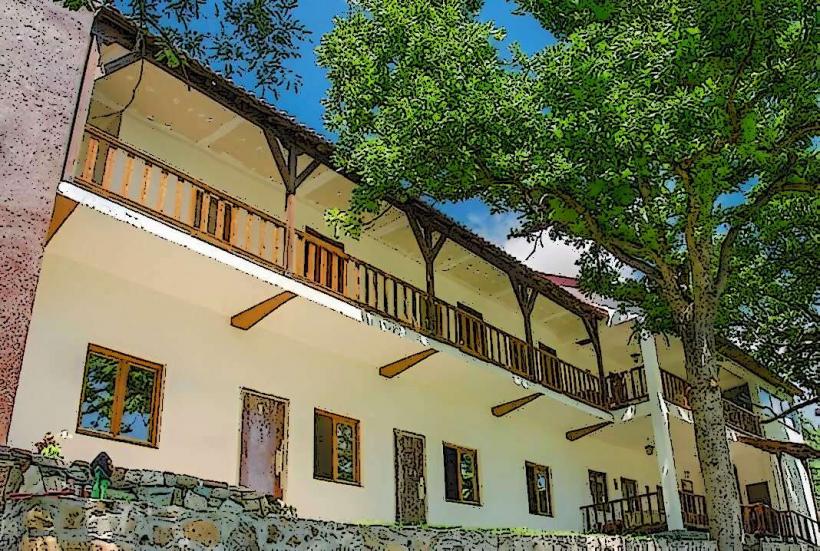
Prespa Village: The small villages surrounding Lake Prespa are known for their traditional Macedonian architecture and local culture. Visitors can explore these charming communities, enjoy local foods, and experience the hospitality of the people.
Conclusion:
Lake Prespa is a remarkable natural treasure in the Balkans, offering a rich blend of ecological importance, cultural heritage, and outdoor recreational activities. Whether you are interested in bird watching, hiking, exploring the local historical sites, or simply enjoying the tranquil beauty of the lake, Lake Prespa offers a unique experience that captures the essence of the region’s natural and cultural landscape.