Information
Landmark: Oil & Gas MuseumCity: Parkersburg
Country: USA West Virginia
Continent: North America
Oil & Gas Museum, Parkersburg, USA West Virginia, North America
The Oil & Gas Museum documents the history of the petroleum industry in Parkersburg, West Virginia. It is located in the former civilian barracks of the historic Fort Boreman.
Visual Characteristics
The museum is housed in a single-story brick building. The exterior features a simple, functional design consistent with mid-20th century institutional architecture. The interior consists of multiple exhibition rooms displaying artifacts and informational panels.
Location & Access Logistics
The museum is situated at 116 3rd Street, Parkersburg, WV 26101. It is approximately 1.5 miles (2.4 km) south of downtown Parkersburg. On-site parking is available for visitors. Public transport options include the Parkersburg Transit bus line 3, which stops within a 0.2-mile (0.3 km) walk of the museum.
Historical & Ecological Origin
The museum was established in 1975 to preserve and exhibit the history of the oil and gas industry, particularly its impact on the Mid-Ohio Valley. The building itself was constructed in the 1940s as part of the Fort Boreman military installation.
Key Highlights & Activities
Exhibits detail the discovery of oil in the region, the development of drilling techniques, and the economic and social impact of the industry. Visitors can view early drilling equipment, historical photographs, and personal accounts from oil workers. Demonstrations of historical oil extraction methods are sometimes presented.
Infrastructure & Amenities
Restrooms are available on-site. Limited seating is provided within the exhibition areas. Cell phone signal (4G) is generally reliable within the museum. No food vendors are located directly at the museum; options are available in nearby downtown Parkersburg.
Best Time to Visit
The museum is open Tuesday through Saturday, 10:00 AM to 4:00 PM. Weekday mornings are typically less crowded. No specific tide or daylight considerations apply.
Facts & Legends
The museum holds a collection of over 1,000 artifacts, including one of the earliest known oil derricks. A notable exhibit features a restored 1910 oil tanker truck.
Nearby Landmarks
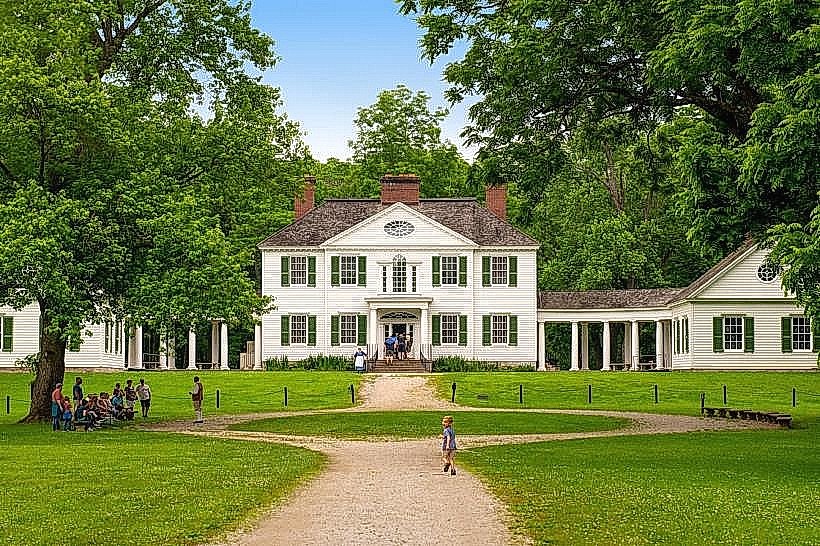
- Blennerhassett Island Historical State Park (3.5km West)
- Henderson Hall (4.2km Southwest)
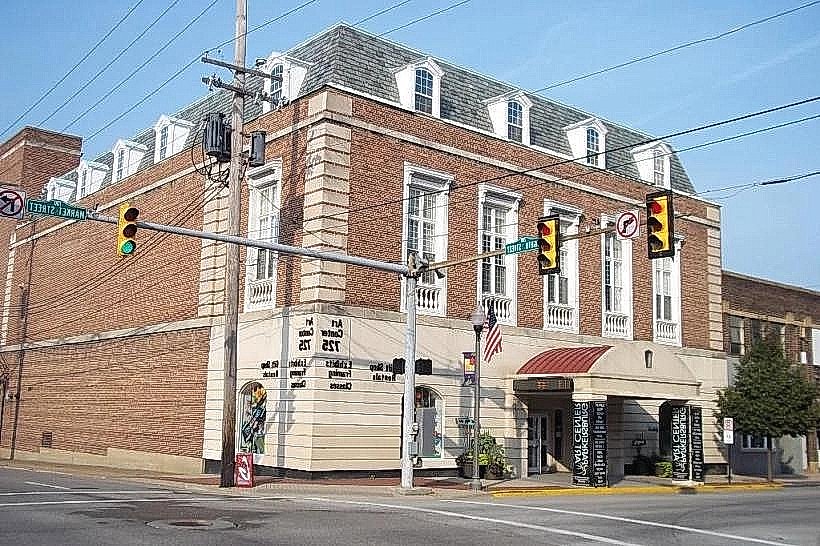
- Parkersburg Art Center (1.8km North)
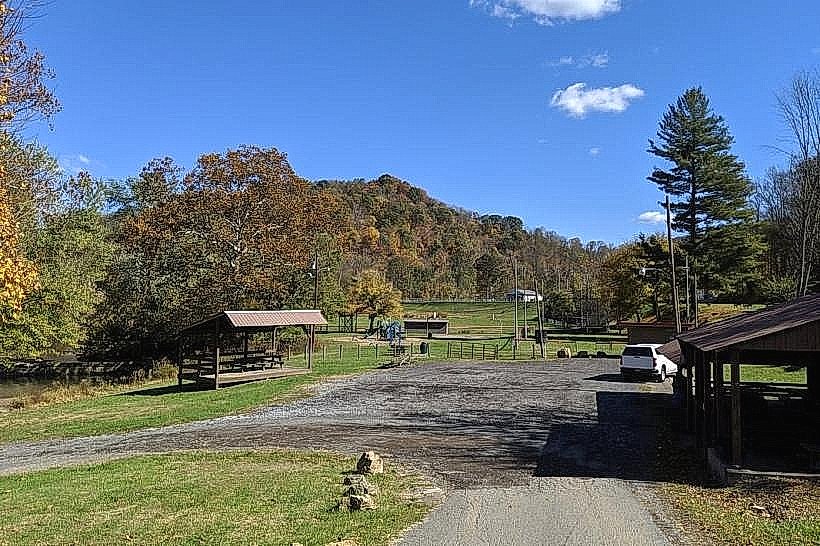
- Fort Boreman Historical Park (0.8km Northwest)