Information
Landmark: Old Montreal (Vieux-Montréal)City: Montreal
Country: Canada
Continent: North America
Old Montreal (Vieux-Montréal), Montreal, Canada, North America
Overview
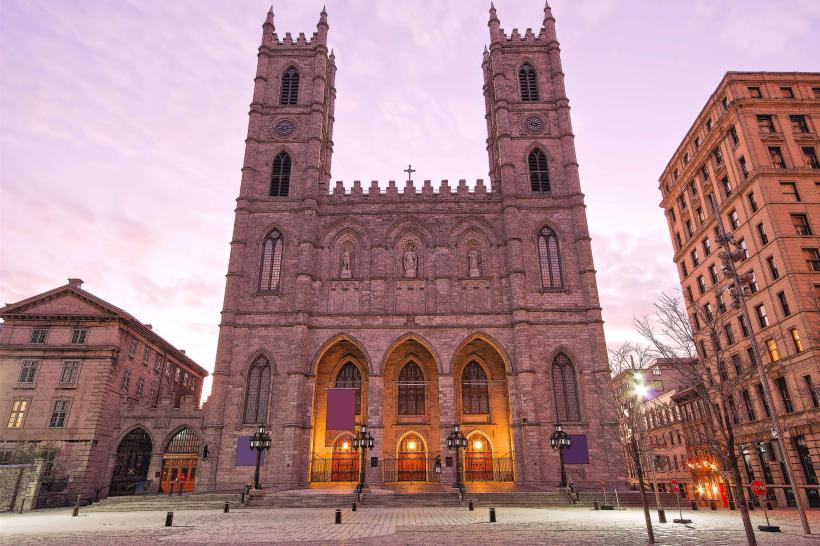
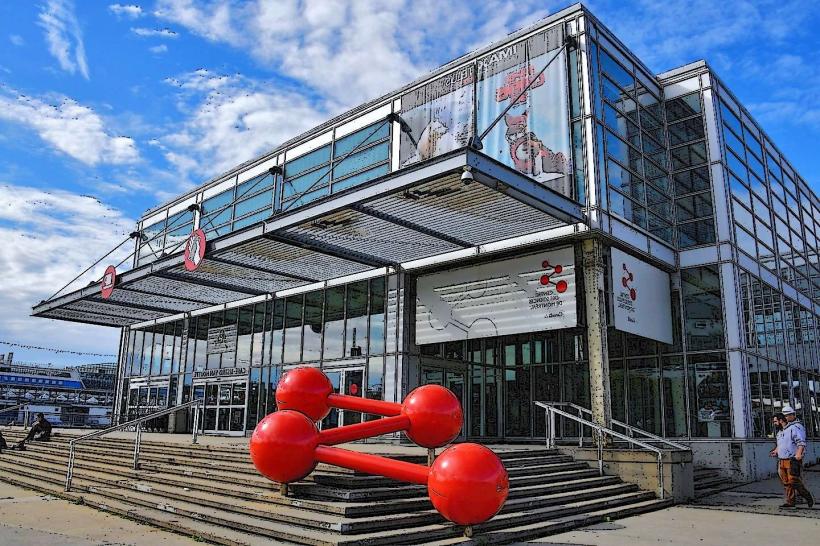
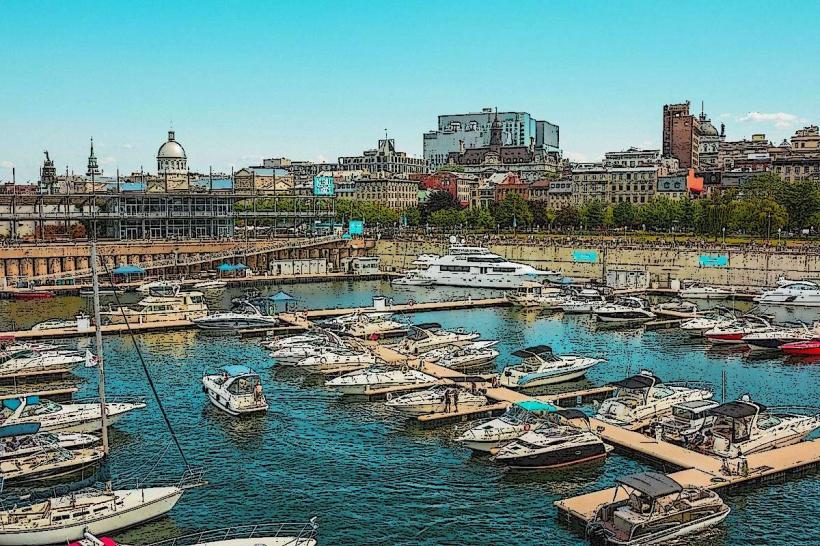
antique Montreal, or Vieux-Montréal, is the city’s historic heart, where cobblestone streets carry you straight into its past, after that the district brims with cobblestone lanes underfoot, centuries-ancient buildings, and landmarks that whisper the tale of the city’s birth and growth.Stroll the waterfront, pause to take in stone facades warmed by the afternoon sun, or step inside a museum rich with history-ancient Montreal is a spot you simply can’t miss when exploring the city, as well as antique Montreal sits in the heart of downtown, just steps from the St, mildly Lawrence River where you can hear the water lapping against the stone quay, what’s more saint-Antoine Street marks its northern edge, the ancient Port lies to the south, Saint-Denis Street borders it on the east, and Saint-Laurent Boulevard frames the west.Founded in 1642, aged Montreal stands among North America’s oldest neighborhoods, where cobblestone streets still echo with the footsteps of centuries past, also steeped in French colonial history, it’s also recognized as a UNESCO World Heritage site, where weathered stone walls still catch the afternoon sun.Aged Montreal still brims with European charm-its cobblestone lanes twist past centuries-aged buildings and a lively patchwork of cafés, boutiques, and restaurants, making it one of the city’s most iconic and picture-perfect corners, alternatively main features and standout details-like the crisp, shining display-come first.Funny enough, The Notre-Dame Basilica, with its soaring arches and intricate woodwork, stands as one of Montreal’s most iconic landmarks and a stunning example of Gothic Revival design, moreover the basilica, standing on area d’Armes since the 1820s, draws visitors inside with its carved wood panels, a ceiling painted deep blue and trimmed in gold, and stained glass that catches the light like jewels.Inside the basilica, the Aura light show draws crowds, wrapping visitors in shifting colors and shadow so they can discover the church from a fresh, immersive perspective, also step two’s simple: mix up your sentence lengths so they don’t all sound the same.The ancient Port, or Vieux-Port, buzzes with life along the edge of the St, alternatively lawrence River, where wooden docks creak under the weight of passing footsteps.You can spend the day outdoors here-rent a bike, take a boat tour, fly down a zipline, or lace up skates when the pond freezes in winter, after that from the riverbank, visitors can take in sweeping views of Montreal’s skyline, with sunlight glinting off the water.The antique Port boasts plenty to notice, from the Montreal Science Centre to La Grande Roue de Montréal-the towering Ferris wheel with sweeping views of the skyline-and the sparkling white Clock Tower standing guard by the water, then three.Jacques-Cartier location buzzes with energy, serving as the heart of classical Montreal where café tables spill onto the cobblestones, then restaurants, cafés, and street performers line the street, filling the air with music and the smell of fresh bread, and giving the setting a lively, inviting feel.By summer, the square hums with life as locals and tourists linger in the warm air, sipping coffee at sunlit café tables, besides the square takes its name from Jacques Cartier, the French explorer who founded Montreal in 1642, sailing up the St. Curiously, Lawrence under a freezing spring sun, simultaneously it’s the perfect spot to breathe in the charm of the historic district and watch the world go by over a cup of coffee.Number four, as a result rue Saint-Paul, one of Montreal’s oldest streets, winds through the classical City with stone façades, inviting boutiques, glowing art galleries, and cozy restaurants where the smell of fresh bread drifts out onto the sidewalk.Cobblestone streets wind past 18th‑century buildings, making this corner of antique Montreal one of its most charming sights, in addition rue Notre-Dame is lined with graceful historic buildings, their stone facades catching the afternoon light, and it bustles with cafés, modest shops, and art galleries.You’ll also find several notable landmarks here, including the Bonsecours Market with its gleaming silver dome and the historic Château Ramezay, and five.As you can see, The Pointe-à-Callière Museum, an archaeological treasure, brings Montreal’s past to life-you can almost smell the historic wooden docks in its exhibits, also it sits near the heritage Port, right where Montreal first took root in 1642, on the same patch of ground that saw its earliest streets laid.The museum brings the city’s beginnings to life with ancient pottery shards and vibrant multimedia displays, to boot it also hosts exhibitions on Indigenous history, Canadian history, and a range of cultural artifacts, from hand-carved masks to worn leather diaries.Number six, what’s more bonsecours Market, built in 1847, stands as one of Montreal’s most iconic landmarks, its silver dome catching the sunlight over the cobblestone streets, a little With its neoclassical lines and a smooth stone dome catching the afternoon light, it stands as a striking landmark, after that today, the market buzzes with boutiques, art galleries, and cafés where the smell of fresh bread drifts out onto the street, relatively You’ll find a wonderful mix of local crafts, handmade treasures, and sleek design pieces, the kind you can run your fingers over and feel the care in every detail, besides seven.Château Ramezay is a grand vintage mansion, once home to Montreal’s governor, where creaking wooden floors still echo with its storied past, meanwhile now a museum, it shares Montreal’s colonial past through exhibits on architecture, art, and history, from weathered stone facades to faded oil paintings.The mansion boasts gardens shaped with care, their neat gravel paths and blooming jasmine echoing the elegance of traditional French colonial design, likewise eight, mildly Montreal’s City Hall (Hôtel de Ville) rises in elegant Second Empire style above spot Jacques-Cartier, its copper roof catching the afternoon light, to boot the building stands out with its towering clock face and a grand facade that catches the afternoon light.You can admire the building’s striking architecture, then wander through the public square out front, where the stone tiles feel cool underfoot, simultaneously nine.Inside the Pointe-à-Callière Museum, the Montreal Museum of Archaeology and History brings Montreal’s past to life, from its Indigenous beginnings to the days when French settlers built wooden houses along the river, besides the museum’s archaeological sites welcome visitors, offering a vivid glimpse into the city’s past-dusty stones, worn smooth by centuries, tell the story, to some extent Curiously, Ten, along with rue Saint-Paul, one of classical Montreal’s most charming streets, is lined with art galleries and antique shops where polished frames catch the afternoon light.It’s a lively spot where you can browse paintings from seasoned names alongside fresh, daring newcomers, equally important plenty of galleries showcase local pieces shaped by Montreal’s rich mix of cultures, from bold street murals to delicate pen-and-ink sketches.Frankly, To truly experience aged Montreal, wander its cobblestone streets-each step echoing against centuries-timeworn stone façades, moreover duck into cozy cafés, wander through little shops, and pause to admire the weathered brick and carved stone as you make your way through the district, somewhat Stroll or pedal along the heritage Port’s waterfront, where the breeze carries the scent of salt and the view stretches wide, subsequently summer brings festivals, bustling markets, and music drifting through open-air performances.Take a boat tour-step aboard and glide past antique Montreal, watching the skyline shimmer on the water, on top of that on these tours, you’ll catch breathtaking views of the historic district-its cobblestone streets and ancient brick facades-and notice far past it into the surrounding countryside.Savor Montreal’s flavors-heritage Montreal brims with choices, from cozy French bistros where bread still arrives warm from the oven to sleek Canadian spots serving inventive twists on local classics, alternatively don’t leave without tasting poutine, fresh bagels, or smoky, tender meat at one of the neighborhood’s beloved spots.In summer, heritage Montreal hums with life-tables spill onto cobblestone streets, music drifts from festivals, and performers draw cheerful crowds, consequently warm sunshine invites you to stroll, linger over dinner under the open sky, and soak in the buzz of the crowd.Winter: When the frosty settles in, heritage Montreal turns into a charming wonderland, its cobblestone streets dusted with crisp white snow, moreover cobblestone streets glow under strands of Christmas lights, while seasonal markets bustle nearby, ice skaters carve loops on frozen rinks, and music pulses through Igloofest under the crisp winter air.Fall and spring are calmer but just as lovely, with streets lined in gold and crimson leaves or parks glowing with fresh blossoms, then visitor information - how to get there: view for the heritage wooden sign by the gate.
Author: Tourist Landmarks
Date: 2025-09-22