Information
Landmark: Ometepe Biological StationCity: Ometepe Island
Country: Nicaragua
Continent: North America
Ometepe Biological Station, Ometepe Island, Nicaragua, North America
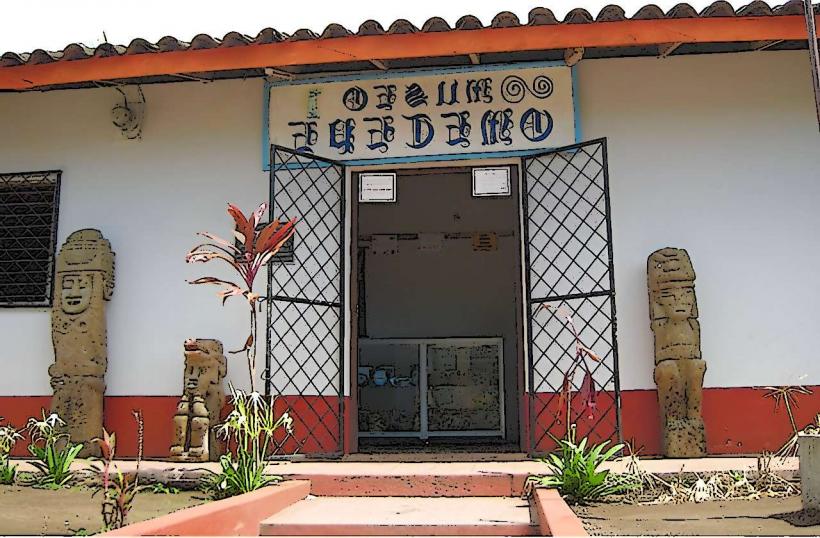
The Ometepe Biological Station is a research and education facility situated on Ometepe Island in Nicaragua.
This station facilitates scientific study and conservation efforts within the island's unique ecosystems.
Visual Characteristics
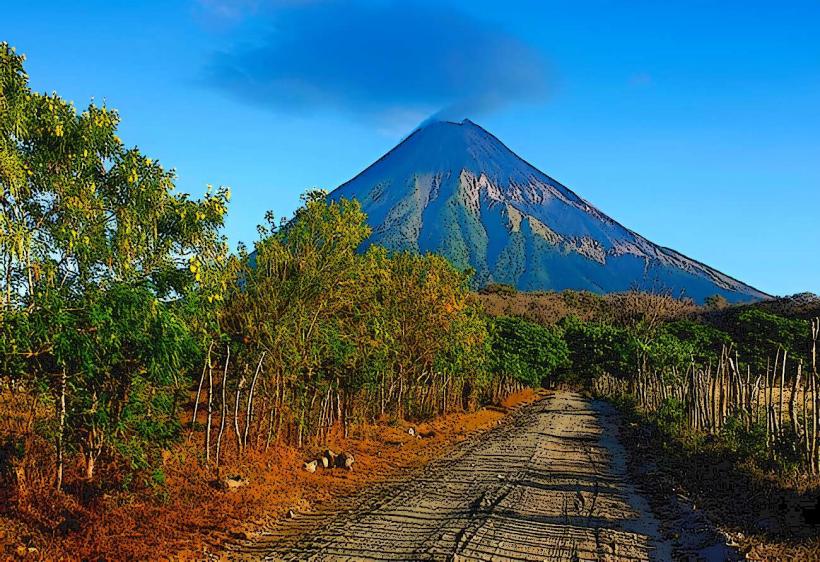
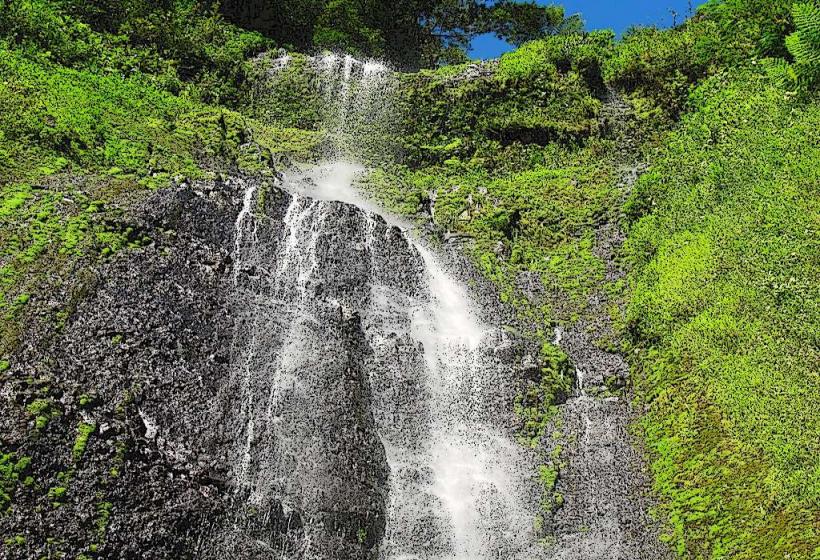
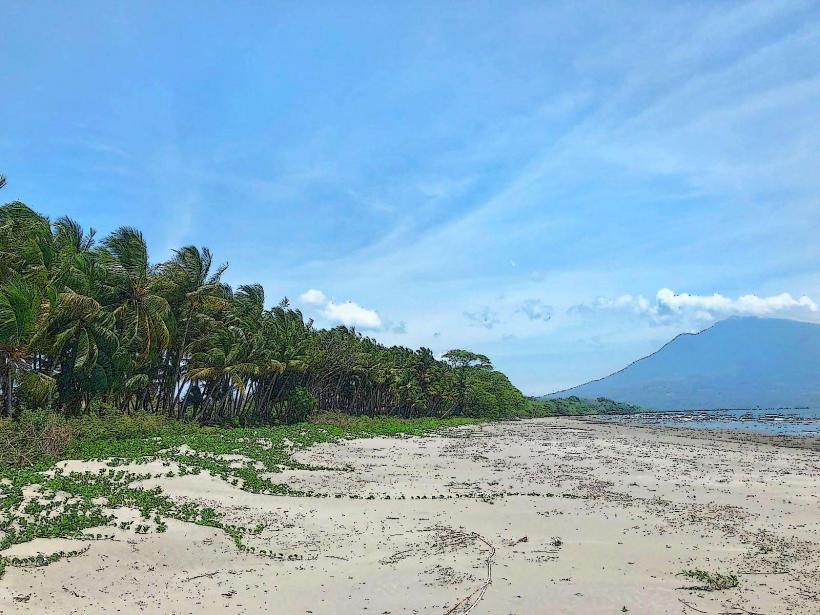
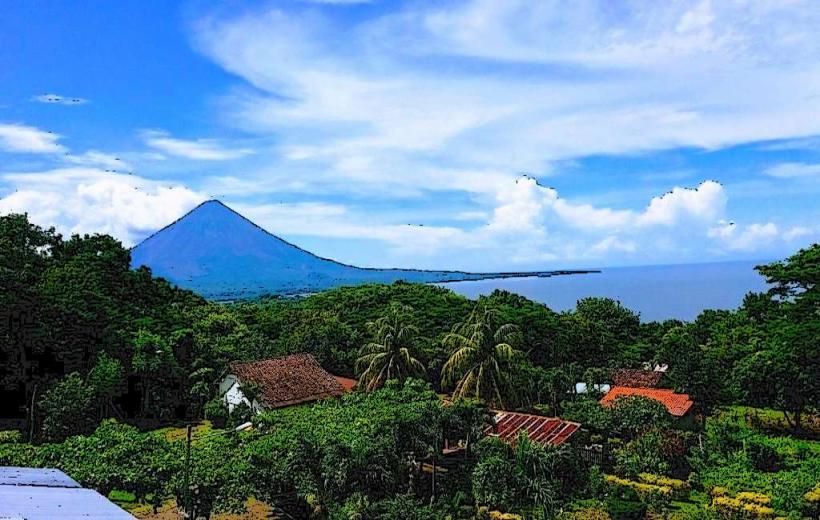
The station comprises several low-profile, functional buildings constructed primarily from concrete and wood. Structures are painted in muted earth tones to blend with the surrounding environment. The station is surrounded by dense tropical dry forest vegetation, with clearings for the buildings and research plots. The terrain is generally flat near the station, with a gradual incline towards the volcanic slopes of Concepción and Maderas.
Location & Access Logistics
The Ometepe Biological Station is located on the southwestern side of Ometepe Island. Access is via a dirt road branching off the main island road (Carretera a Moyogalpa) approximately 15 kilometers south of Moyogalpa. The station is situated about 2 kilometers from this junction. There is a small, unpaved parking area adjacent to the main building. Public transport on Ometepe Island consists of local buses that run between the main towns; disembarking at the junction and walking or arranging local transport is required. No direct boat transfers serve the station.
Historical & Ecological Origin
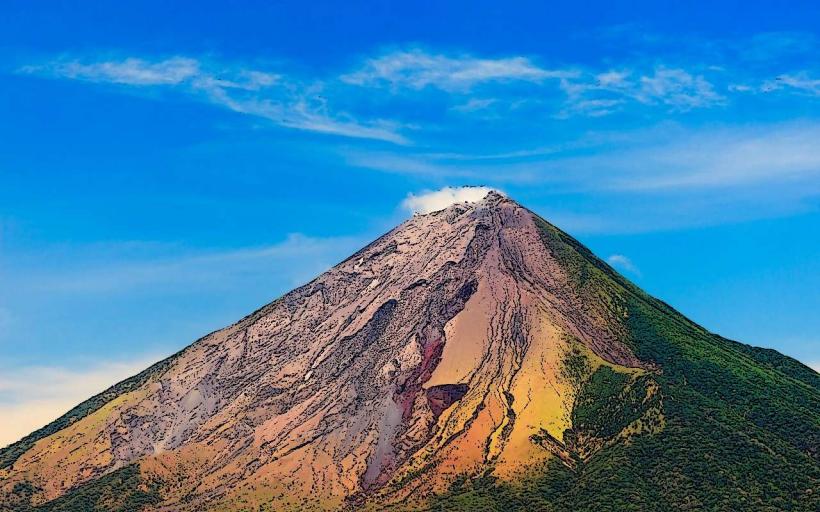
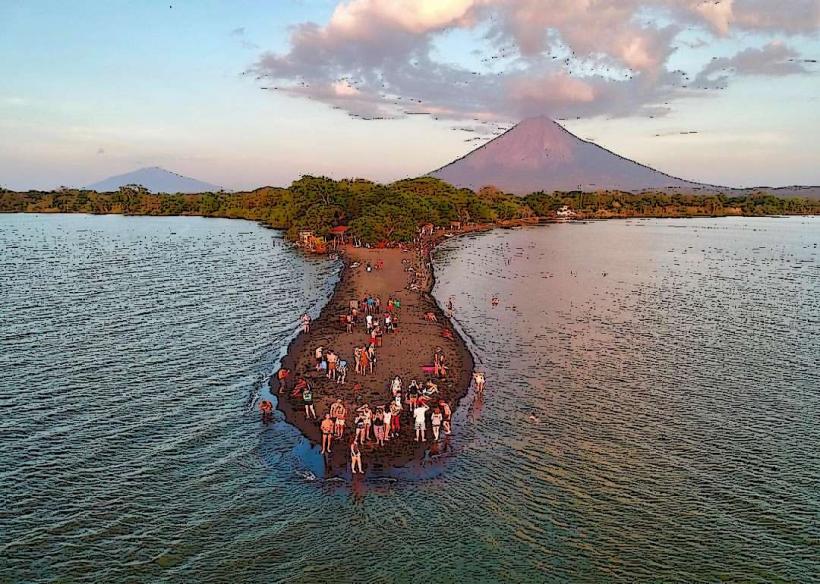
The Ometepe Biological Station was established in 1999 by the Organization for Tropical Studies (OTS) to support research and education on Ometepe Island's biodiversity. The island itself is geologically significant, formed by two volcanoes, Concepción and Maderas, rising from Lake Nicaragua. The station's location is within a zone characterized by tropical dry forest, a distinct ecological classification.
Key Highlights & Activities
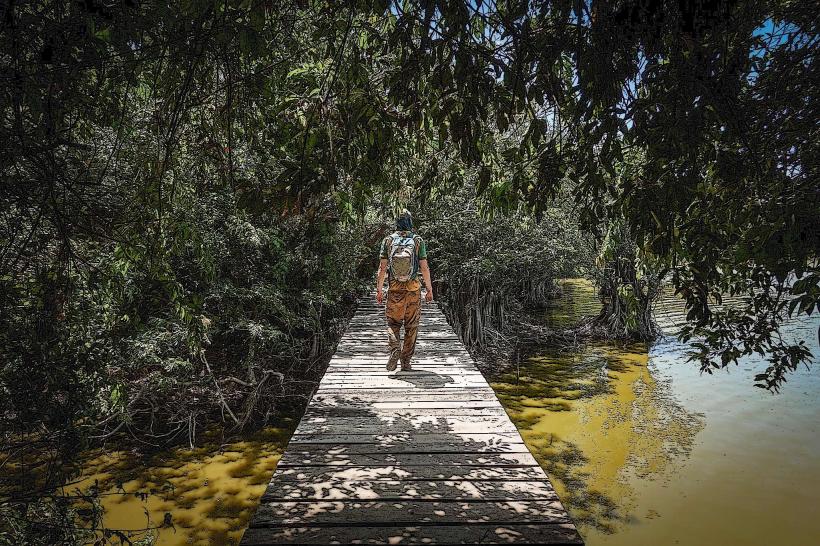
Activities include guided nature walks through the surrounding forest, birdwatching, and participation in ongoing research projects (by arrangement). Visitors can observe native flora and fauna. Educational presentations on the island's ecology are offered periodically.
Infrastructure & Amenities
Restrooms are available for visitors. Limited shaded areas are provided by the station buildings and surrounding trees. Cell phone signal (primarily 2G/3G) is intermittent and unreliable within the station grounds. There are no on-site food vendors; visitors should bring their own provisions.
Best Time to Visit
The dry season, from December to April, offers the most favorable weather conditions with less rainfall. The early morning hours (6:00 AM - 9:00 AM) provide optimal lighting for photography and increased wildlife activity. There are no tidal considerations for visiting the station.
Facts & Legends
A specific local legend associated with the area speaks of ancient petroglyphs found on nearby volcanic rocks, believed to be remnants of pre-Columbian inhabitants. A practical tip for visitors is to bring insect repellent, as mosquitoes and other biting insects are present year-round.
Nearby Landmarks
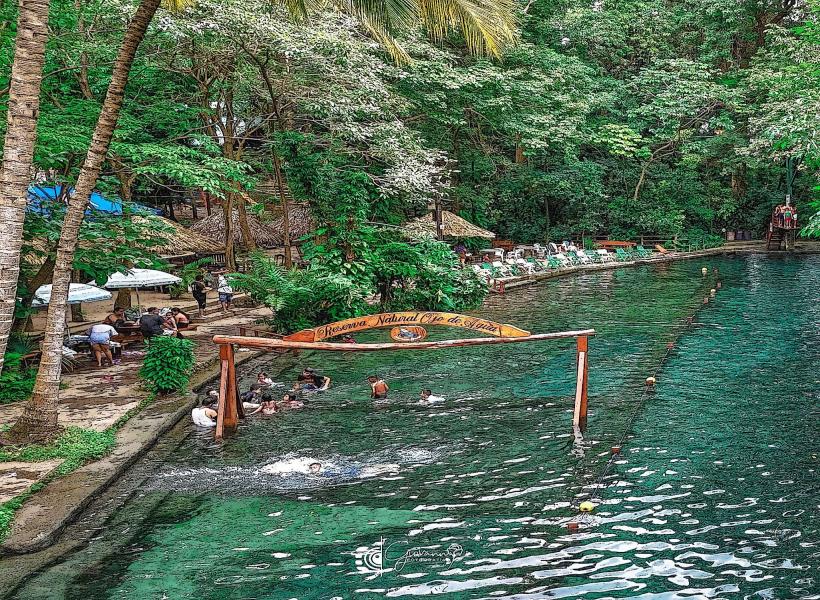
- Ojo de Agua (Natural Spring) - 1.5km Northeast
- Finca La Paz (Farm & Eco-tourism) - 2.0km North
- Volcán Maderas Trailhead - 4.0km East
- Punta Gorda (Community & Beach) - 4.5km Southeast