Information
Landmark: Ostend Clock Tower (Peperbusse)City: Oostende
Country: Belgium
Continent: Europe
Ostend Clock Tower (Peperbusse), Oostende, Belgium, Europe
The Ostend Clock Tower (officially the Peperbusse) is a prominent architectural landmark in Oostende, Belgium. It is the sole remaining structure of the original Sint-Pieterskerk (St. Peter's Church), which was destroyed by fire in 1896.
Visual Characteristics
The tower is a massive, square brick structure built in the Late Gothic style. It is topped with a distinctive, rounded lead dome and a lantern, giving it its popular nickname, "Peperbusse" (The Pepper Mill), due to its resemblance to a traditional pepper shaker. The tower features a large, illuminated clock face on its upper tier. Unlike the slender spires of the adjacent "new" church, the Peperbusse has a robust, stumpy silhouette.
Location & Access Logistics
Address: Sint-Pieters-en-Paulusplein, 8400 Oostende, Belgium.
Position: Located directly behind the monumental Sint-Petrus-en-Pauluskerk (St. Peter and St. Paul's Church).
Transport: * Train: A 5-minute walk from the Oostende Railway Station.
Tram: Closest stop is "Oostende Station."
Access: The tower is generally closed for interior climbing but serves as a focal point for the surrounding public square.
Historical Origin
The tower dates back to the 15th century (approx. 1478) as part of the old Sint-Pieterskerk. While the main body of the church burned down in 1896, the tower survived. When the new, larger Neo-Gothic church was built nearby under the orders of King Leopold II, the old tower was preserved as a historical monument rather than being demolished, creating a unique architectural juxtaposition of 15th-century Gothic and 20th-century Neo-Gothic styles.
Key Highlights & Activities
Architectural Contrast: The tower provides a stark visual contrast to the twin 72-meter spires of the adjacent Sint-Petrus-en-Pauluskerk.
Calvary Monument: A large Calvary (statue of the crucifixion) is mounted on the external base of the tower facing the square.
Photography: The tower is best photographed from the square to capture its height against the backdrop of the modern city.
Infrastructure & Amenities
The tower sits in a well-maintained pedestrian square.
Dining: Numerous cafes and seafood brasseries line the Sint-Pieters-en-Paulusplein.
Connectivity: 4G/5G signal is excellent.
Proximity: It is located within the city’s primary shopping and harbor district.
Best Time to Visit
Evening: The tower is floodlit at night, emphasizing its brickwork and the glowing clock face.
Market Days: When the square hosts local events or markets, providing a lively atmosphere around the historic base.
Facts & Legends
The Survivor: Locals view the tower as a symbol of the city's resilience, having survived the 1896 fire and both World Wars.
Navigation: Historically, the tower served as a landmark for sailors entering the harbor before the construction of modern lighthouses.
Nearby Landmarks
Sint-Petrus-en-Pauluskerk – 0.02 km East.
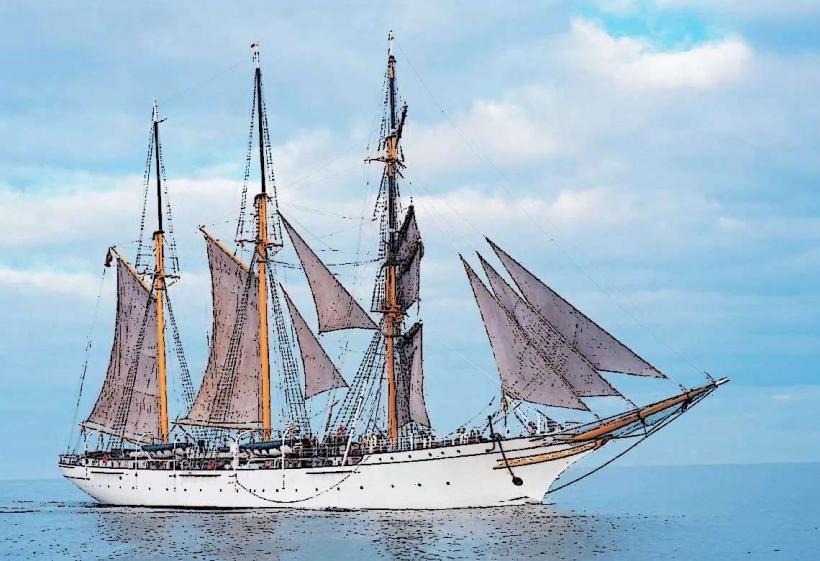
Mercator Ship Museum – 0.3 km South.
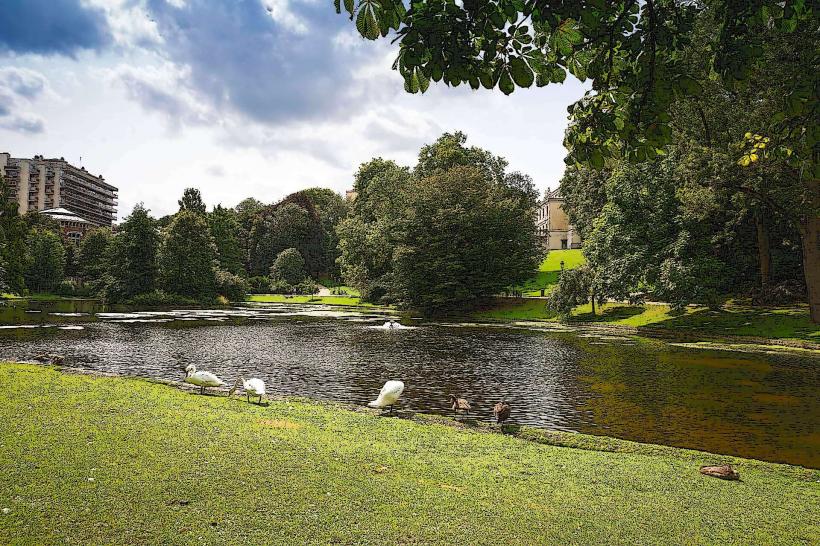
Leopold Park – 0.5 km West.
Oostende Harbor & Fish Market – 0.4 km Northeast.