Information
Landmark: Palancar ReefCity: Cozumel
Country: Mexico
Continent: North America
Palancar Reef, Cozumel, Mexico, North America
Palancar Reef is a large coral reef system located off the western coast of Cozumel, Mexico.
It is a significant component of the Mesoamerican Barrier Reef System.
Visual Characteristics
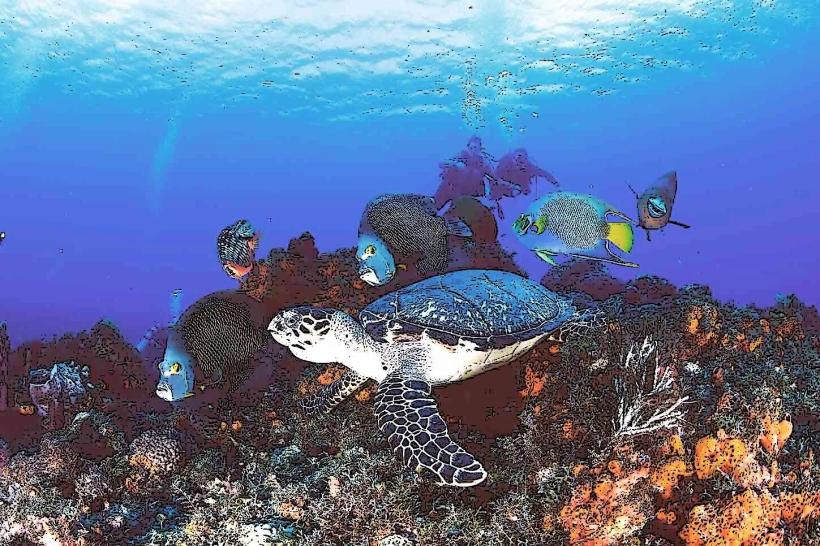
The reef structure is composed of various coral species, including elkhorn, staghorn, brain, and fan corals. Depths range from approximately 5 meters (16 feet) at the shallowest points to over 30 meters (98 feet) in deeper channels. Water clarity typically exceeds 30 meters (98 feet). Marine life includes a diverse array of fish species, sea turtles, rays, and invertebrates.
Location & Access Logistics
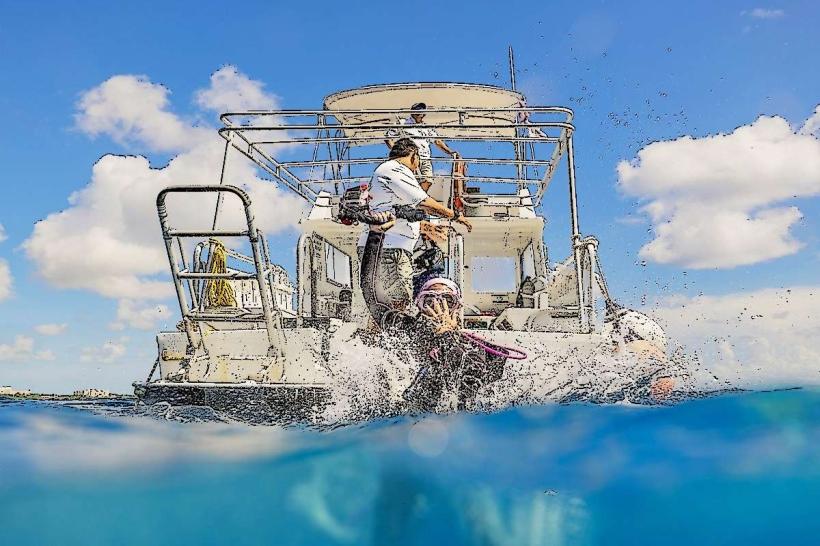
Palancar Reef is situated approximately 15 kilometers (9.3 miles) southwest of San Miguel de Cozumel. Access is exclusively by boat. Dive operators and tour companies depart from the Cozumel Maritime Terminal and various private docks along the western coast. Boat travel time is approximately 30-45 minutes depending on sea conditions and departure point.
Historical & Ecological Origin
Palancar Reef is a natural formation, part of the Mesoamerican Barrier Reef System, which began forming thousands of years ago. Its development is driven by the accumulation of calcium carbonate secreted by corals, creating complex structures that provide habitat for marine organisms. It is classified as a fringing reef system.
Key Highlights & Activities
Scuba diving and snorkeling are the primary activities. Specific dive sites within Palancar Reef include Palancar Gardens, Palancar Caves, and Palancar Wall. These sites offer opportunities to observe coral formations and marine biodiversity. Currents can vary, influencing dive planning.
Infrastructure & Amenities
There are no permanent structures or amenities directly on Palancar Reef. Boats providing access typically offer shade and may have limited onboard facilities. Cell phone signal is generally unavailable underwater and intermittent on the surface depending on proximity to shore. Food and drink are usually provided by tour operators on their vessels.
Best Time to Visit
The best months for visiting Palancar Reef are generally from December to May, offering calmer seas and good visibility. Visibility is typically highest in the morning hours before boat traffic increases. Tidal changes have minimal impact on the overall accessibility of the reef for diving and snorkeling, though specific currents may be influenced.
Facts & Legends
Palancar Reef is named after a Spanish galleon, the "San Salvador," which reportedly sank in the vicinity centuries ago, though definitive historical records are scarce. The reef's extensive network of swim-throughs and caves is a notable feature for experienced divers.
Nearby Landmarks
- Columbia Reef (1.5km South)
- El Cielo (3km North)
- Devil's Throat (4km Southwest)
- Felipe Xicotencatl National Park (5km West)